Understanding AFCI and GFCI: Protecting Your Home from Electrical Hazards
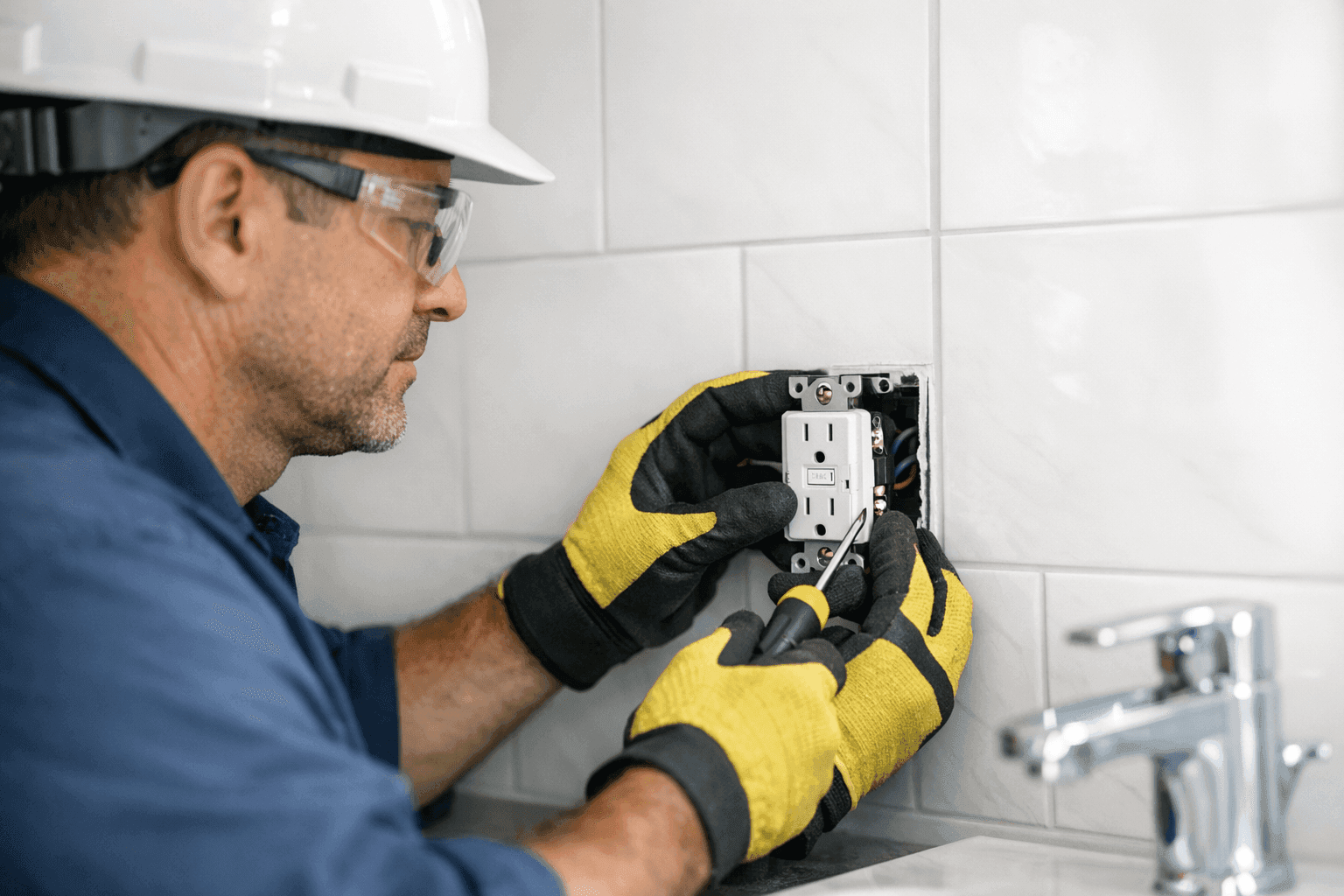
Electricity is silent, powerful, and ever-present in our lives. You flip a switch, and the room glows. Plug in your phone, and it charges. But with that convenience comes invisible danger—electrical fires and shocks can happen in an instant, sometimes with devastating consequences.
At Lighteq Electric, we've seen firsthand how simple upgrades can make homes safer. Two small devices—AFCI and GFCI—are your home's first line of defense against electrical hazards. Understanding where and why to use them could save your property, or even a life.
What Are AFCI and GFCI? ⚡
Imagine your home's wiring as a network of rivers, all flowing with the energy you need. Sometimes, storms cause those rivers to overflow or change course. AFCI (Arc-Fault Circuit Interrupter) and GFCI (Ground-Fault Circuit Interrupter) are like skilled gatekeepers, designed to step in when electrical currents misbehave.
AFCI: This device detects dangerous electrical arcs—sparks that can start fires behind your walls. Think of it as a smoke alarm, but for your wiring.
GFCI: This one protects you from electric shock. If it senses electricity leaking somewhere it shouldn't (like through water or your body), it immediately cuts the power.
Both devices are small, but their impact is enormous.
Where Do You Need Them? (And Where the Code Says So)
The National Electrical Code (NEC) sets clear rules for AFCI and GFCI placement. Each serves a unique purpose, and both are now mandatory in many areas of the home.
- GFCI outlets: Required in bathrooms, kitchens, laundry rooms, garages, basements, and all outdoor areas. Water and electricity don't mix—so anywhere there's a chance of moisture, you need GFCI protection.
- AFCI protection: Needed in most living spaces, including bedrooms, family rooms, dining rooms, and hallways. These are places where cords and appliances can wear over time, leading to arcing.
If your home was built before 2014, you might not have complete AFCI coverage. Even newer homes sometimes miss GFCI outlets in outdoor or utility areas.
Feeling unsure? Our Electrical Safety Inspections can help you spot missing protection before trouble strikes.
How They Prevent Hazards
Electricity travels fast—too fast for humans to react. AFCI and GFCI devices sense problems and shut off power in a fraction of a second.
- AFCIs sniff out arcing, which can happen when wires become loose, fray, or get pierced by a nail. These arcs get hot and can ignite insulation or wood. The AFCI cuts power before a fire can start.
- GFCIs monitor the flow of electricity. If even a tiny amount escapes its intended path—say, through a wet countertop or a person standing in a puddle—the GFCI trips instantly, stopping a shock.
The Consumer Product Safety Commission reports that GFCIs have prevented thousands of accidental electrocutions. AFCIs, meanwhile, slash the risk of electrical fires, especially in older homes.
Testing AFCI and GFCI Devices: Quick Safety Checklist
Don't just install these devices—test them regularly. Both have "Test" and "Reset" buttons for a reason.
Monthly Testing Routine:
- Plug in a lamp or small appliance.
- Press the "Test" button. The lamp should go out.
- Press "Reset." The lamp should turn back on.
- If it doesn't trip or reset, call an electrician right away.
For circuit breaker versions (usually found in your panel), follow the same procedure using the breaker’s "Test" button.
Regular testing is as important as checking smoke detectors. It takes two minutes but can prevent tragedy.
Common Signs You Need an Upgrade
Sometimes, your home sends signals that your protection is outdated or missing:
- Outlets that spark, buzz, or feel warm
- Breakers that trip repeatedly
- Outlets near water with no "Test" or "Reset" buttons
- A home built before 1999 (AFCIs weren't required before then)
Any of these signs means it’s time to call Lighteq Electric for an upgrade.
DIY vs. Call a Pro: What’s Safe?
Changing a light bulb? That’s DIY territory. Upgrading outlets or breakers? That's where a licensed electrician is essential.
Why?
- Older wiring can hide surprises.
- Wrong installation can make things less safe.
- Code compliance matters—especially if you plan to sell your home.
If you’re not trained, even a small mistake can cause big headaches. Lighteq Electric’s certified technicians ensure every installation meets the latest NEC requirements.
What Pros Do On Arrival
Curious about our process? Here’s what to expect:
- Safety check: We test your panel and circuits.
- Inspection: Identify missing or outdated AFCI/GFCI protection.
- Upgrade: Install new devices or breakers, neatly and safely.
- Testing: Verify each device works as designed.
- Education: Show you how to test and maintain your new protection.
We treat your home with respect—shoe covers on, messes off.
Prevention & Maintenance: Stay Ahead of Trouble
Think of AFCI and GFCI devices as your home’s immune system. But even the best defenses need a checkup now and then.
- Test devices monthly.
- Schedule a professional Safety Check every year, especially in older homes.
- Consider a full electrical safety inspection when buying, selling, or remodeling.
These steps keep you a step ahead of danger.
Timeline & Disruption: How Long Does It Take?
Good news: Most AFCI and GFCI upgrades are quick. Swapping an outlet often takes less than 30 minutes. Breaker replacements can take a bit longer but rarely disrupt power to the whole house for more than an hour.
Our team works efficiently, so your day stays on track.
Materials and Equipment: What’s Involved?
- AFCI breakers or outlets (for arc protection)
- GFCI outlets (for shock protection)
- Tools for safe installation—voltage testers, screwdrivers, and safety gear
We use only UL-listed, code-approved devices. Quality parts make a difference.
Costs & Time Factors: What to Expect
Pricing depends on your home’s age, wiring, and how many outlets or breakers need upgrading. Remember: this is a long-term investment in safety—like smoke alarms or fire extinguishers.
We’re always up front with pricing and never push extras you don’t need.
When It’s an Emergency
If you smell burning, see smoke, or experience shocks from outlets, shut off power at the main breaker and call for emergency service. Don’t wait for a convenient time—electrical issues can escalate fast.
Our 24-hour emergency electricians handle these situations with urgency and care.
Seasonal Considerations: Why Timing Matters
Spring floods, summer storms, or winter ice—weather can make electrical hazards much worse. Wet basements, outdoor outlets, and pool wiring need extra attention.
If you’re planning renovations or adding a pool, ask us about AFCI and GFCI upgrades during the project. It’s much easier (and cheaper) to upgrade before walls and finishes go in.
Pool & Spa Electrical Near You: Special Safety Rules
Pools, hot tubs, and spas require dedicated GFCI protection for pumps, lights, and outlets. These areas mix water and electricity—a risky combo.
Never let anyone swim or soak when you suspect an electrical issue. Our licensed electricians know the latest pool & spa safety code requirements and keep your relaxation spot safe all year.
Common Mistakes to Avoid
- Replacing a GFCI outlet with a standard one (losing protection)
- Ignoring frequent tripping—this signals real danger
- Installing new outlets without checking for code-required AFCI or GFCI
- Forgetting to test monthly
Stay vigilant. Small oversights can have big consequences.
FAQ: Your AFCI and GFCI Questions Answered
Q: Can I just use power strips with surge protection?
No—power strips don’t protect against shock or arcing. Only AFCI and GFCI devices offer that level of safety.
Q: My outlets trip sometimes—is that normal?
Occasional tripping can happen, but frequent trips mean you need a safety inspection.
Q: Are these upgrades required when selling my home?
Many states and lenders now require code-compliant electrical protection before closing. Even if not required, it’s a smart selling point.
If you’re in the area and searching for a trustworthy electrician company, our team is ready for any electrical challenge—big or small.
Code Compliance and Certified Installation
NEC guidelines are updated every three years to reflect new safety research. At Lighteq Electric, we keep current with every revision, so your home is always up to code. Our certified upgrades come with proof of compliance for peace of mind.
If you want to learn more about Outlets & Switches and how proper installation keeps your home safe, our electricians are here to help.
Call Lighteq Electric now — or reach us anytime at 855-552-3493 .