Home Electrical Safety Checklist: Essential Steps for Every Homeowner
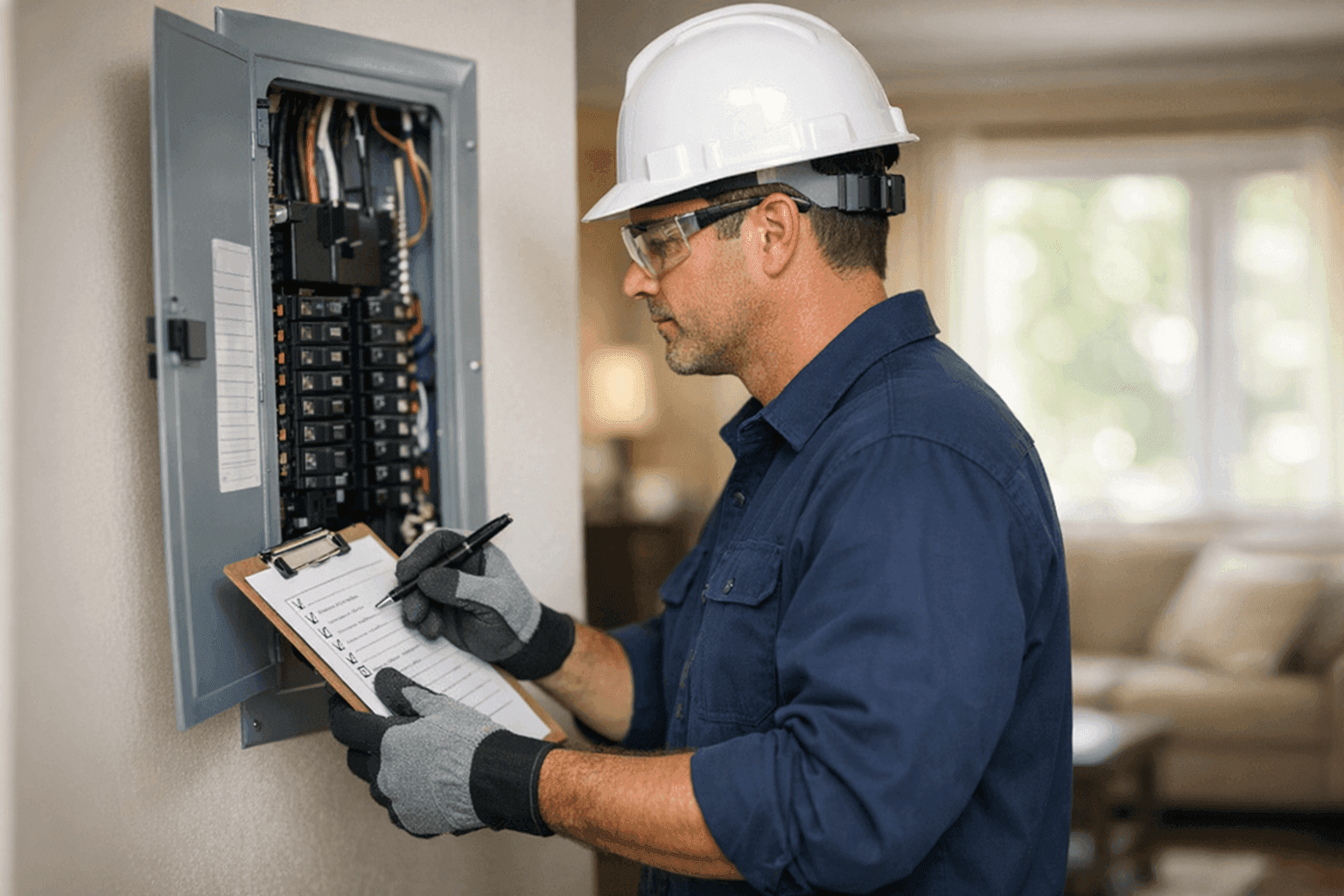
Have you ever wondered if your home's electrical setup is really as safe as it should be? Flickering lights, buzzing outlets, or just a gut feeling—sometimes, warning signs are right in front of us. At Lighteq Electric, we know how overwhelming it can feel to keep up with electrical safety, especially with older wiring or after a big storm.
That’s why we’ve built this essential home electrical safety checklist. Whether you’re a new homeowner or have lived in your house for decades, these steps will help protect your family, your property, and your peace of mind.
Why Electrical Safety Matters ⚡
Think of your home's electrical system like the central nervous system in your body. If something goes wrong, the effects can ripple throughout the whole house. Electrical hazards are one of the leading causes of home fires in the U.S., according to the National Fire Protection Association (NFPA). Small problems can grow quickly—sometimes in ways you can’t see.
That’s why regular Electrical Safety Inspections are not just a recommendation—they’re a necessity. They help spot hidden risks, bring your home up to code, and keep everyone safe.
DIY Home Safety Checklist: Start With the Basics
You don’t need advanced tools to do some basic checks around your home. Here’s a quick list to walk through every few months:
- Check all outlets and switches for discoloration, heat, or buzzing sounds.
- Test smoke and carbon monoxide detectors monthly. Replace batteries twice a year.
- Inspect cords and plugs for fraying, pinching, or exposed wires.
- Look for flickering or dimming lights, especially when using appliances.
- Trip and reset circuit breakers as a test. If breakers trip repeatedly, that’s a red flag.
- Look at extension cords—are they overloaded or running under carpets?
- Feel appliances after use. Unusual warmth can signal trouble.
If anything seems off, move to the next section.
Key Areas to Inspect
Outlets & Switches
Outlets should feel cool, not warm. No buzzing, no burnt smell. Loose plugs or outlets that move inside the wall? Those are danger signs. GFCI (ground fault circuit interrupter) outlets are required in bathrooms, kitchens, and outdoor areas—if you don’t have them, it’s time for an update.
Cords & Plugs
Cords should be free of cuts, pinches, or tape repairs. Never run cords under rugs or furniture. That’s like hiding a leak under the floorboards. Use only the cord that came with your appliance.
Appliances
Unplug rarely used appliances. If you feel a tingling when touching a device or notice sparks when plugging in, stop using it and call an electrician.
Electrical Panels & Breakers
Your breaker panel should be accessible, labeled, and closed. Rust, water marks, or a hot panel? That’s an emergency. Never force a breaker to stay “on”—it trips for a reason.
Detectors: Smoke & Carbon Monoxide
Test monthly. Replace batteries every daylight saving change. If your alarms are older than 10 years, replace them. According to the U.S. Consumer Product Safety Commission (CPSC), working alarms save lives.
When to Call a Pro
DIY checks are a first line of defense. But not every problem is a quick fix. Here’s when to call Lighteq Electric:
- Breakers that trip repeatedly.
- Outlets or switches that spark or are warm to the touch.
- Lights that flicker, buzz, or dim unpredictably.
- Burning smells or visible scorch marks.
- After renovations, flooding, or storms.
- If you have outdated wiring (like knob-and-tube or aluminum wiring).
- When installing new appliances, EV chargers, or pool & spa electrical.
Remember: Electricity is powerful. When in doubt, don’t risk it.
Recognizing the Warning Signs
Some electrical issues whisper. Others shout. Watch for these:
- Frequent bulb burnouts.
- Unexplained power loss.
- Buzzing noises from outlets or walls.
- Sudden increase in energy bills.
- Fuses blowing or circuits tripping without clear cause.
If you spot any of these, it’s time for a professional Safety Check.
What Happens During a Professional Inspection?
When you schedule an electrical safety inspection, here’s what to expect:
- A licensed electrician will visually inspect your wiring, outlets, switches, panels, and circuits.
- We use specialized testers to check for loose connections or overloaded circuits.
- Safety devices like GFCIs and AFCIs are tested for proper operation.
- Smoke and carbon monoxide detectors are checked for placement and function.
- We compare your setup to the latest National Electrical Code (NEC) standards.
At Lighteq Electric, our team brings years of experience and up-to-date training to every home visit. We don’t just check boxes; we look for real-world risks and safe solutions.
Prevention & Maintenance: Good Habits Go a Long Way
Regular upkeep keeps small issues from becoming big ones. Here’s how:
- Schedule annual or bi-annual electrical inspections.
- Replace damaged cords and plugs promptly.
- Avoid overloading outlets—use power strips with built-in surge protection.
- Keep water away from all electrical devices and outlets.
- Teach kids not to play with sockets or cords.
After Renovations or Storms: Extra Caution Required
A room remodel or a severe storm can shift wiring, overload circuits, or expose hidden faults. Always have an electrician inspect your system after major changes or weather events. This protects your investment and ensures your family’s safety.
For homeowners in the area, our Residential Services cover inspections, repairs, and upgrades tailored to your needs.
Seasonal Safety Tips
- Spring & Summer: Check outdoor outlets and lighting. Pool & Spa Electrical near you should always be GFCI-protected.
- Fall & Winter: Inspect space heaters and holiday lights for worn cords or loose connections. Use devices approved by UL or another recognized testing lab.
Common Mistakes Homeowners Make
- Using the wrong wattage bulbs in fixtures.
- Daisy-chaining power strips.
- Ignoring small shocks or tingling sensations.
- Skipping routine smoke/CO detector tests.
- Attempting DIY fixes without proper training.
Remember, shortcuts with electricity aren’t worth the risk.
How Much Disruption? What to Expect
Most home electrical inspections take a few hours. We’ll need access to all outlets, your main panel, and any crawl spaces or attics with visible wiring. You can usually stay home during the process, and we’ll always explain our findings in plain language before any work begins.
Materials & Equipment Used
Professional inspections use non-invasive tools like:
- Voltage testers
- Circuit analyzers
- Outlet testers
- Thermal imaging for hot spots
We never cut corners. Our goal: a safe, reliable system—no surprises.
FAQ: Your Electrical Safety Questions Answered
How often should I have a professional inspection?
At least every 3-5 years, or after major renovations, storms, or when buying a new house.
Can I replace an outlet or switch myself?
If you have no training, it’s safer to call an electrician. Even small jobs can have hidden risks.
What codes do you follow?
We follow all local building codes and the NEC (National Electrical Code), which sets nationwide safety standards.
How do I know if my house is up to code?
The surest way is with a professional inspection by a licensed electrician company.
Emergency Situations: Don’t Wait
If you smell burning, see smoke, or lose power unexpectedly, leave the area and call for help. Electrical fires move fast. Your safety comes first.
If you’re in the area and want to schedule Electrical Safety Inspections with a trusted electrician, visit our Charleston electrician services page for more details.
The Lighteq Electric Difference
We’ve seen every scenario—homes with new additions, older houses with original wiring, and families who just want peace of mind. Our licensed team is committed to safe, code-compliant solutions for every situation, big or small.
With regular maintenance and expert support, you can keep your home safe and running smoothly for years to come.
Call Lighteq Electric now — or reach us anytime at 855-552-3493 .