How to Avoid Common Electrical Code Violations During Home Projects
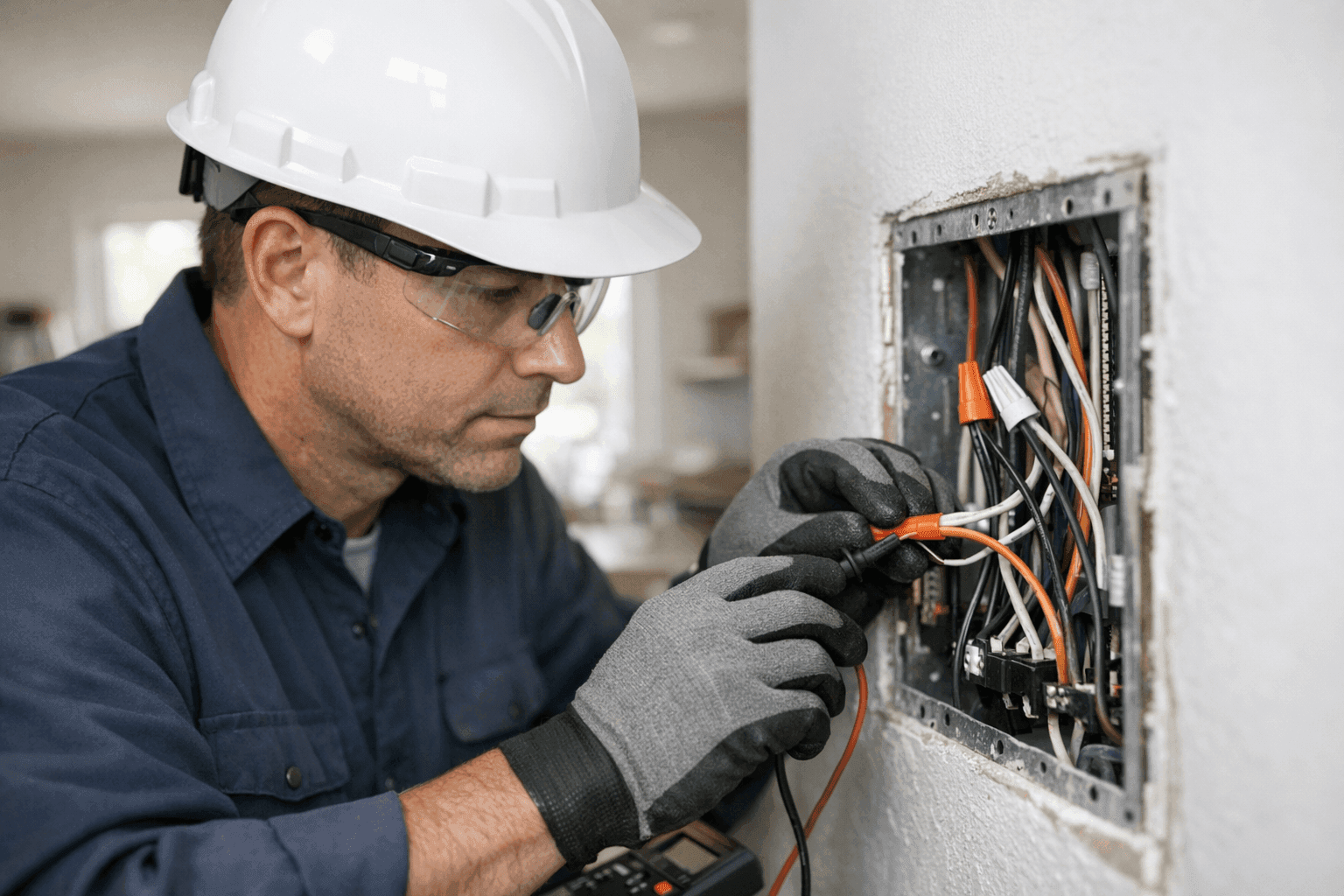
Thinking about tackling some electrical work in your home? Maybe it’s a new ceiling fan, rewiring the basement, or adding outlets for your latest gadgets. It’s tempting to dive in—especially with all the DIY videos out there. But electrical code violations can turn a simple weekend project into an expensive, even dangerous, headache.
At Lighteq Electric, we see firsthand how easy it is for homeowners to get tripped up by the National Electrical Code (NEC). Let’s walk through the most common mistakes, the real risks, and how you can keep your home—and your loved ones—safe and up to code.
Why Code Compliance Matters ⚡
Electrical codes aren’t just fussy rules—they’re the difference between peace of mind and a potential disaster. These standards, like those set by the NEC and local building authorities, exist to protect people and property from hazards like shocks, fires, and structural damage.
Ignoring or misunderstanding these codes can:
- Void your homeowner’s insurance
- Lead to failed inspections when selling or renovating
- Put your family at risk
And codes change—what was allowed ten years ago may not be safe today. That’s why having a licensed, up-to-date electrician is so important.
The Most Common Electrical Code Violations
We’ve seen it all. Some violations pop up again and again when homeowners take on electrical projects without professional help. Here are the usual suspects:
- Missing or Improper GFCI Outlets: Kitchens, bathrooms, garages, and outdoor areas need Ground Fault Circuit Interrupter outlets. No exceptions.
- Overloaded Circuits: Plugging too much into one circuit heats up wires, risking fire.
- Improper Junction Box Use: Splices and wire connections should never be hidden behind drywall or left dangling.
- Incorrect Wire Sizing: Using wire that’s too small for a circuit creates a hidden hazard.
- Lack of Arc Fault Protection: Bedrooms now require Arc Fault Circuit Interrupters (AFCIs).
- Unsecured or Unsupported Wiring: Wires must be anchored and protected from damage.
- Reverse Polarity: Reversed hot and neutral wires can shock you unexpectedly.
- Missing Smoke or CO Detectors: Life-saving devices that codes require in specific locations.
- No Permit or Inspection: Skipping this step means no one checks your work for safety.
How to Avoid Electrical Code Mistakes
So, how do you keep your home project from turning into a code nightmare?
1. Know When to Call in a Pro
If you’re unsure about any step, pause. Hiring a licensed electrician isn’t just about convenience. It’s about safety, compliance, and long-term savings.
2. Don’t Skip Permits and Inspections
Permits might sound like red tape, but they’re a safety net. Inspectors catch mistakes before they become hazards. Even small projects—like installing a new outlet—can require one.
3. Use the Right Parts and Materials
Buy electrical supplies rated for your specific application. That means water-resistant boxes for outdoors, and wire gauges that match your circuit’s amperage.
4. Follow the Latest Code Updates
Codes change every three years. The NEC is updated to reflect new technology, safety knowledge, and best practices. What worked for your 1990s kitchen reno might not be safe—or legal—anymore.
5. Double-Check Locations for GFCI and AFCI
GFCIs and AFCIs save lives. Make sure the right outlets are installed in kitchens, bathrooms, outdoors, laundry rooms, and bedrooms.
6. Keep Connections Accessible
Don’t bury junctions in walls or ceilings. Every splice and connection should be in a covered, accessible box.
7. Label Your Circuits Clearly
An organized electrical panel isn’t just nice to have. It’s essential in an emergency.
The Hidden Costs of DIY Electrical Work
DIY electrical jobs often seem cheaper. But the risks can add up fast:
- Failed Inspections: You might have to pay to tear out and redo non-compliant work.
- Insurance Denials: If a fire is traced to unpermitted wiring, coverage could be denied.
- Injuries and Liability: Electrical shocks and fires are real dangers.
- Lower Resale Value: Home inspectors spot DIY wiring—potential buyers might walk away.
Quick Safety Checklist Before You Start
- Did you check if you need a permit?
- Do you have the right tools and protective gear?
- Are you using UL-listed parts and materials?
- Did you turn off power at the breaker—double-check with a voltage tester?
- Is your workspace dry and free of clutter?
- Do you have a fire extinguisher nearby?
When It’s Time to Call for Emergency Help 🚨
Some problems just can’t wait. Here’s when to pick up the phone immediately:
- Buzzing panels or burning smells
- Flickering lights that don’t resolve with a bulb change
- Frequent breaker trips or blown fuses
- Outlets or switches that feel hot
- Water anywhere near wiring
Remember: Electrical emergencies can escalate quickly. Don’t take chances.
What the Pros Do On Arrival
When you call Lighteq Electric, here’s what to expect:
- Licensed electricians with up-to-date training and credentials
- A thorough walkthrough of your electrical system
- Testing with specialized equipment to spot hidden hazards
- Clear explanations—no jargon, just what you need to know
- Recommendations for safe, code-compliant repairs or upgrades
Code Compliance and Your Home’s Insurance
Most insurers require proof that electrical work meets current codes. Skipping proper installation or inspection can jeopardize your policy. Always keep records of permits, inspections, and work done by licensed professionals.
Seasonal Electrical Hazards to Watch For
Changing seasons can introduce new risks:
- Winter: Overloaded circuits from space heaters, holiday lights, and electric blankets
- Spring: Pool & Spa Electrical near you needs regular checks for safe operation
- Summer: Window ACs, outdoor outlets, and fans draw heavy loads
- Fall: DIY holiday decorating can lead to overloaded or unsafe extension cords
Stay ahead—schedule Electrical Safety Inspections before seasonal changes.
FAQ: Your Electrical Code Compliance Questions
Q: Can I replace an outlet or switch myself?
A: If you’re comfortable and know the basics, yes—but always turn off power, use the right parts, and check local permit rules.
Q: How often should I have my wiring inspected?
A: Every 3–5 years, or before/after major renovations.
Q: Are smart home devices covered by code?
A: Yes. Home automation has specific requirements for wiring and surge protection. Ask about our Installations for the latest standards.
Signs It’s Time for a Professional Electrical Safety Inspection
- Flickering or dimming lights
- Outlets that don’t work or spark
- Frequently tripped breakers
- A tingling sensation when touching appliances
- Older homes (built before 1980) with uninspected wiring
If you recognize any of these, schedule a check with a qualified electrician. Need help finding the right Wiring & Circuits solution in your area? We’re ready.
The Value of Professional Credentials
Don’t risk your home to shortcuts. Lighteq Electric’s team holds current licenses and stays updated on every code change. Our inspectors are trained to spot issues the untrained eye misses.
If you’re in the area and searching for a reliable electrician company, our electrician team is just a call away.
Final Thoughts: Safe Projects Start With Smart Choices
Electrical work isn’t the place to cut corners. Codes exist for a reason—to keep families safe and homes secure. Whether you’re considering a weekend project or a full renovation, make sure every step meets today’s safety standards.
Have questions or need an inspection before your next project? Call Lighteq Electric now — or reach us anytime at 855-552-3493 .