Ceiling Fan Installation: DIY vs. Hiring a Pro
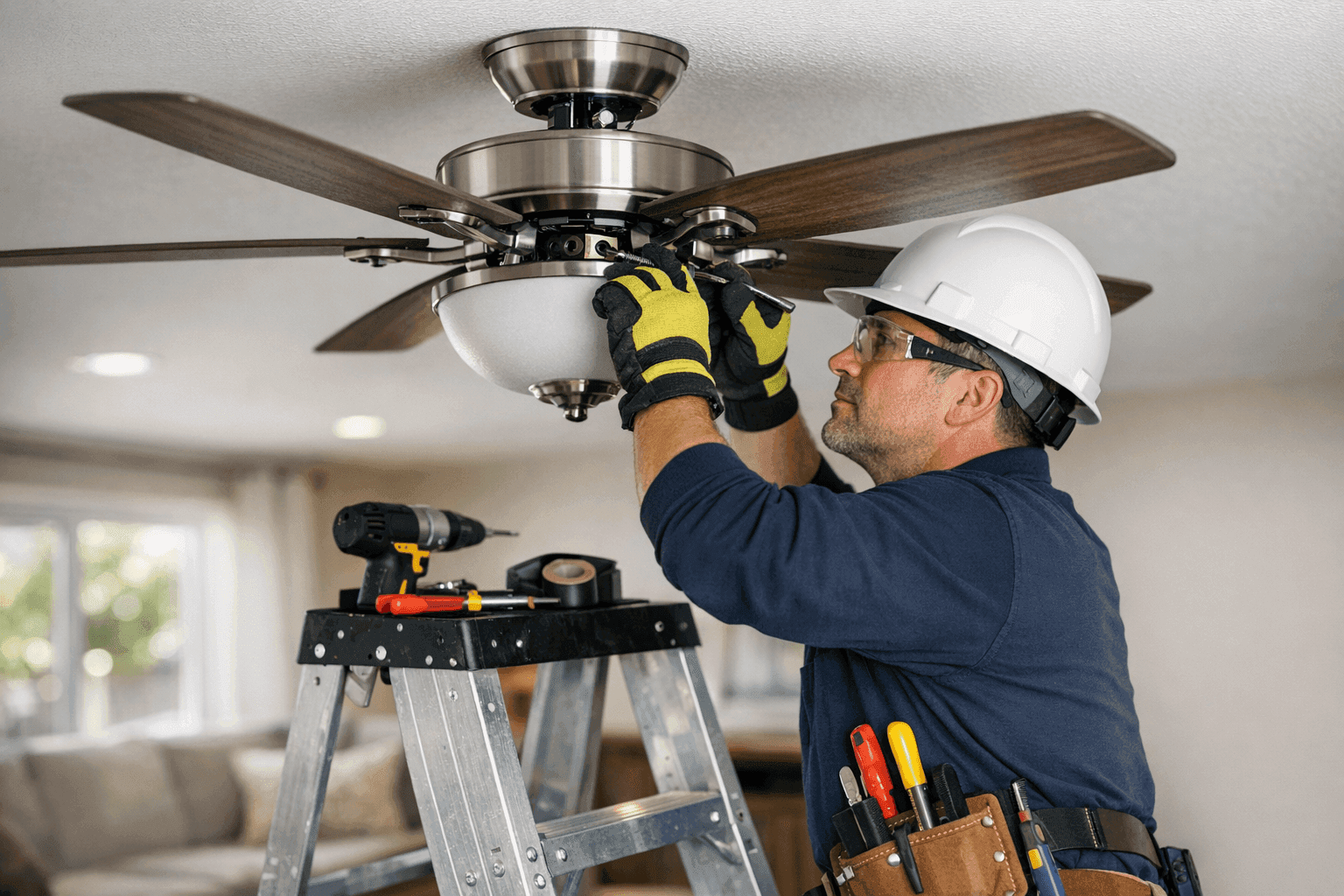
Have you ever stood in a stifling living room, wishing for a cool breeze overhead? Ceiling fans can be a game-changer for comfort and energy savings in your home. But when it comes to installation, the decision isn’t always as breezy as the airflow you’re after.
At Lighteq Electric, we know there’s a lot more to hanging a fan than just a screwdriver and some elbow grease. Your safety, time, and peace of mind matter. Here’s what to weigh before you reach for the ladder—or the phone.
DIY Ceiling Fan Installation Steps 🛠️
Many homeowners feel tempted to try their hand at installing a ceiling fan. The process might seem straightforward, but it’s layered with details that demand attention. Here’s a step-by-step overview for the adventurous:
- Turn Off Power: Always start by shutting off power at the breaker. Use a voltage tester to confirm.
- Remove the Old Fixture: Take down any existing light or fan. Carefully disconnect wires.
- Check the Electrical Box: Ensure it’s rated for ceiling fans (they’re heavier than lights). Fan-rated boxes are code-required.
- Assemble the Fan: Follow manufacturer instructions to piece together blades, motor, and downrod.
- Mount the Bracket: Attach the mounting bracket to the box securely.
- Wire Connections: Match wires—usually black to black, white to white, ground to ground. Secure with wire nuts.
- Attach the Fan: Lift and hook the fan to the bracket. Connect blades.
- Test the Fan: Restore power and test for wobbling, strange noises, or failure to start.
Pro tip: Always double-check manufacturer instructions. Small differences can trip up even experienced DIYers.
Safety Risks & Common Mistakes
Electricity isn’t forgiving. Even simple mistakes can lead to big problems—shocks, fires, or costly repairs.
- Incorrect Wiring: A misplaced wire can short out circuits or create fire hazards.
- Improper Support: Standard boxes may not support the weight and vibration of a ceiling fan.
- Loose Connections: Fans that wobble or hum may be poorly mounted or wired.
- Ignoring Codes: Local electrical codes exist for a reason—skipping steps or using wrong materials can put your home at risk.
- Overconfidence: Even the most detailed YouTube tutorial can’t replace hands-on experience.
According to the National Electrical Code (NEC), all ceiling fans must be mounted to boxes marked “Acceptable for Fan Support.” That means if you’re not 100% sure, it’s time to pause.
Benefits of Professional Installation
Why call an electrician for something that seems so basic? Let’s break it down:
- Safety First: Licensed electricians have years of training. They know how to handle wiring, heavy fixtures, and high ceilings without cutting corners.
- Code Compliance: Professionals follow all local and national codes, protecting you from accidents and headaches with insurance or future home sales.
- Proper Tools: Specialized tools (like torque drivers and voltage testers) ensure a secure, long-lasting install.
- Warranty Protection: Many fan manufacturers require professional installation to keep the warranty valid.
- Speed & Cleanliness: What might take you all day, an electrician can finish in an hour or two—leaving no mess behind.
- Troubleshooting: If wiring isn’t as expected, a pro knows how to diagnose and fix issues right away.
DIY Skill Level: What You Really Need
Ceiling fan installation isn’t just “handyman” work. Here’s what you should be comfortable with before trying it solo:
- Reading and understanding wiring diagrams
- Identifying circuit breakers and electrical boxes
- Safely using ladders and hand tools
- Following safety protocols without shortcuts
- Recognizing when something looks or feels wrong
If any of those sound intimidating, it’s best to leave the job to a licensed electrician.
Do You Need a Permit or Inspection?
In many areas, electrical work—especially new wiring or adding a fan—requires a permit. Inspections ensure your work meets safety standards. Skipping this step can lead to trouble if you ever sell your home or need to file an insurance claim.
Always check your local building department or consult with an electrician company about requirements before starting work.
When Heavy or High Fans Require a Pro
Some fans are big—really big. Oversized or extra-heavy models need special mounting and sometimes even structural reinforcement of your ceiling. High ceilings mean tall ladders and more risk. If your fan weighs more than 35 pounds or your ceiling is over 10 feet, don’t risk it. Hire a professional.
The Real Cost: DIY vs. Professional Installation
Let’s talk numbers. DIY might seem cheaper, but is it really?
DIY Costs:
- Ceiling fan: $70–$300+
- Fan-rated electrical box: $10–$50
- Tools (if you don’t have them): $30–$100
- Time: 2–4 hours (if all goes well)
- Risk: Potential for costly mistakes
Pro Installation:
- Labor: $100–$400 (varies by fan type and height)
- Peace of mind: Priceless
A botched DIY job can lead to repairs that cost more than the original install. And, if you damage wiring or cause a short, the fix isn’t always simple. Sometimes, calling an electrician right away is the most affordable route.
Ceiling Fan Problems: Signs You Need Help
Already have a fan that’s acting up? Don’t ignore these warning signs:
- Wobbling or shaking
- Strange humming or buzzing
- Flickering lights or power loss
- Frequent circuit breaker trips
- Warm or sparking switches
Any of these issues mean it’s time to call an electrician. Fast.
What To Expect When Pros Arrive
A licensed electrician starts by checking your home’s wiring. They’ll verify the box is fan-rated, assess ceiling height, and make sure circuits aren’t overloaded. Installations typically take 1–2 hours, with minimal disruption. Cleanup is part of the job.
If you’re looking for reliable support for Wiring & Circuits or ceiling fan Installations, Lighteq Electric is here for you.
Time, Disruption, and Peace of Mind
DIY projects can stretch on for hours—or days—especially when surprises pop up. Professionals work fast, efficiently, and safely. They’ll also spot other electrical issues before they become bigger problems.
And if you’re searching for an experienced electrician company in your area, our team serves all neighborhoods including Pearl City. Learn more about our electrician services.
Quick Safety Checklist Before You Start ⚡
- Turn off power at the breaker—never trust a wall switch alone.
- Use a voltage tester, not just your eyes.
- Make sure your ladder is stable and the right height.
- Never work alone—have someone spot you.
- Always use fan-rated electrical boxes and mounting hardware.
- Double-check wire connections before restoring power.
Ceiling Fans & Energy Efficiency
Ceiling fans can cut cooling costs by up to 40% in summer and help circulate heat in winter. But only when installed and wired correctly. Incorrect wiring can cancel out energy savings or even cause damage to your new fan.
Season Matters: When to Install
Spring and early summer are popular times for ceiling fan upgrades. If you’re planning ahead, book early to avoid the rush. And remember, fans should be reversed in winter for best results—another tip your electrician can help with during installation.
Maintenance and Upgrades
Once your fan’s installed, keep it dusted and check screws and blades every few months. If you spot wobbling or hear odd noises, act quickly. Regular electrical safety inspections can catch small problems before they become major headaches.
Ceiling Fan Installation FAQ
Q: Can I install a ceiling fan where a light fixture was?
A: Often yes, but only if the electrical box is rated for fan support.
Q: How long does installation take?
A: Most professional installs are done in under two hours.
Q: Will I need new wiring?
A: It depends. Some older homes require upgrades or new circuits for safe operation.
Q: What about remote controls or smart fans?
A: Home automation features are best handled by a pro—especially if new wiring is needed.
Final Thoughts: Making the Smart Choice
You want your ceiling fan to be safe, efficient, and worry-free. Sometimes that means rolling up your sleeves. Other times, it means picking up the phone and letting the professionals handle it.
If you’re not sure where to start, reach out. Our team at Lighteq Electric is ready to help, whether it’s for pool & spa electrical near you, ceiling fans, or complete wiring and circuits for your home.
Call Lighteq Electric now — or reach us anytime at 855-552-3493 .