How to Check Your Home for Hidden Electrical Problems
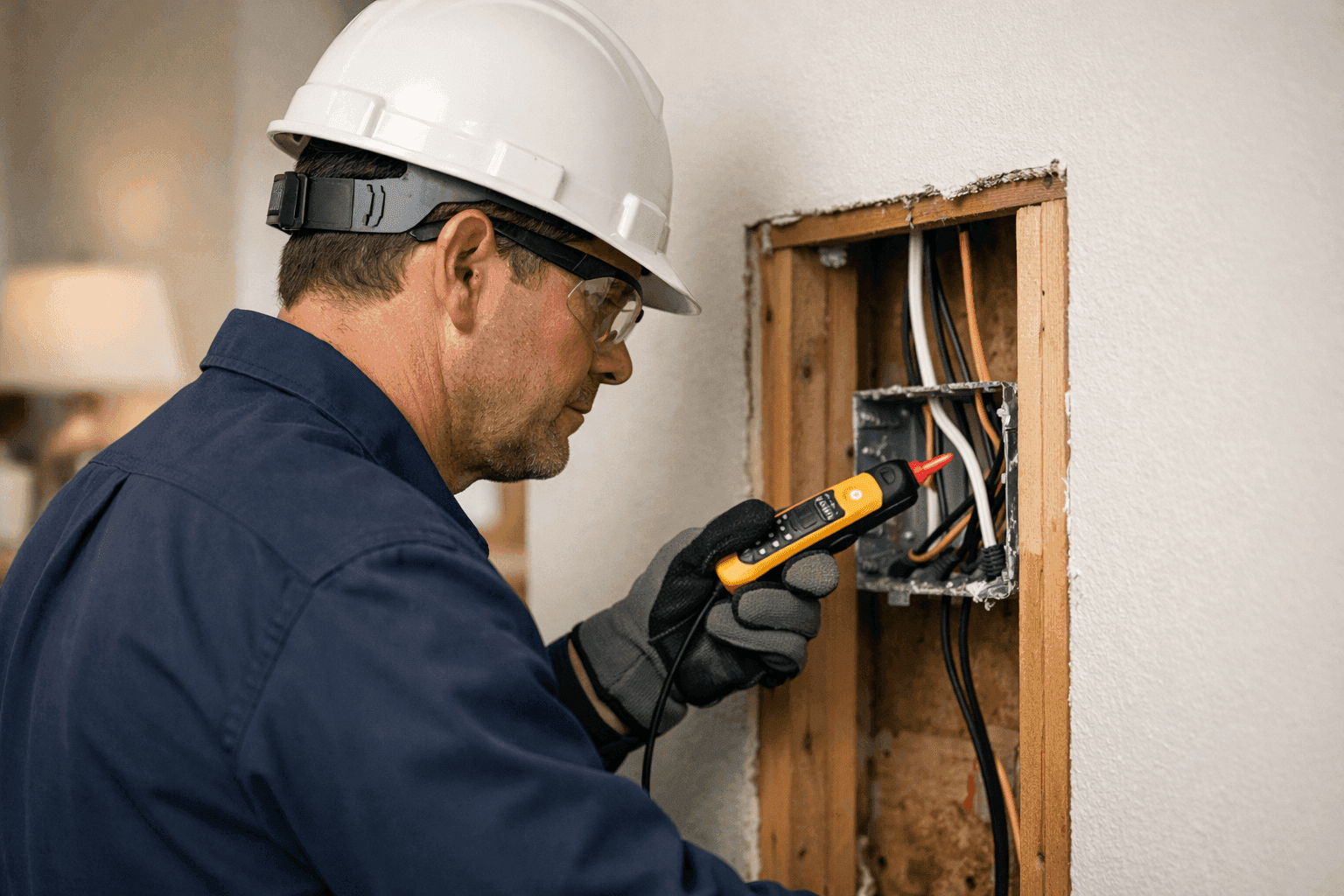
Every home hides secrets behind the walls. Some are harmless—old wallpaper, forgotten toys, maybe a lost sock. But some, like hidden electrical problems, can smolder for months before turning into something far more serious.
If you’ve ever heard a faint buzzing, smelled something odd near an outlet, or noticed a breaker that keeps tripping, you’re not alone. At Lighteq Electric, we’ve seen firsthand how small warning signs can grow into full-blown emergencies. Taking action early isn’t just smart—it can protect your home, your loved ones, and your peace of mind.
Why Hidden Problems Matter ⚡
The danger with hidden electrical issues is that they’re… well, hidden. Out of sight, out of mind—until one day, they’re not. Worn wires, loose connections, or overloaded circuits can spark fires or cause shocks with little warning. According to the National Fire Protection Association (NFPA), electrical failures are a leading cause of house fires nationwide.
Living with hidden problems is like driving a car with the check engine light on. You might make it another mile—or you might break down at the worst possible moment.
Symptoms of Hidden Issues
How do you spot something you can’t see? Look for the subtle clues your home leaves behind:
- Frequent breaker trips: Not just a fluke. Repeated trips could mean a deeper problem.
- Flickering or dim lights: Sure, it could be a loose bulb, but if it happens often, wiring may be to blame.
- Buzzing sounds: Outlets or switches should be silent. Buzzing is a red flag.
- Warm or discolored outlets: Heat or burn marks are always a sign to investigate.
- Strange odors: A faint burning or melting plastic smell near outlets is a serious warning.
- Outlets that don’t work: Especially if they once did.
- Sparking: Even a tiny spark when plugging something in is worth checking.
If you notice any of these symptoms, it’s time to dig deeper—or call in a pro.
Your Quick Home Electrical Safety Checklist
Before you start, always put safety first. If anything feels unsafe, don’t hesitate—call an electrician.
Here’s what you can do:
- Unplug appliances before checking outlets.
- Test ground fault circuit interrupters (GFCIs) monthly.
- Check extension cords for wear or damage.
- Look for overloaded outlets (too many plugs in one spot).
- Listen for unusual sounds when using switches or appliances.
- Feel for warmth on outlets and switches (they should stay cool).
These simple checks can catch small problems before they get out of hand.
The Hidden Dangers Behind Your Walls
Wiring runs like veins through your house, hidden behind drywall and insulation. Over time, wires can fray, connections loosen, or rodents may even nibble on insulation. Older homes may have outdated wiring—like knob-and-tube or aluminum—that’s more prone to trouble.
Often, these issues don’t show up until you add a new appliance, renovate, or the weather changes. Think of your wiring like the roots of a tree—when something’s wrong underground, the symptoms eventually show up above.
When to Call an Electrician
Some jobs are DIY-friendly. Others aren’t. If you notice:
- Persistent breaker trips
- Outlets that spark, smoke, or smell burnt
- Flickering lights for no clear reason
- Any sign of melting, charring, or exposed wires
…it’s time to call in a professional. Electrical work isn’t just about fixing what’s broken. It’s about finding the root cause and preventing future trouble. If you’re searching for "Pool & Spa Electrical near you" or have a question about complex wiring, let a trained electrician handle it.
What a Pro Looks for During an Electrical Safety Inspection
A thorough inspection goes far beyond flipping switches. At Lighteq Electric, our team follows guidelines from the National Electrical Code (NEC) and other trusted sources. Here’s what to expect:
- Visual checks for damaged outlets, switches, and panels
- Testing circuits for correct voltage and grounding
- Inspecting wiring for age, type, and potential hazards
- Checking for overloaded circuits and improper connections
- Looking for signs of rodent damage or moisture
A professional inspection can catch issues you’d never spot on your own—saving money, stress, and reducing risk.
Learn more about our Electrical Safety Inspections.
Fault Finding: The Hunt for Invisible Problems
Some problems hide deep. That’s where fault-finding comes in—a bit like detective work for your home’s wiring. Electricians use special tools to trace circuits, measure loads, and isolate faults. This process is crucial for tracking down intermittent problems that only show up under certain conditions.
If your home’s electrical system is acting up but you can’t pinpoint why, ask about our Fault Finding service.
Maintenance Makes the Difference
Like changing the oil in your car, regular electrical maintenance keeps your home running safely. Annual checks, tightening connections, and replacing worn parts can add years to your system’s life. Remember: prevention is always cheaper than repair.
Our Maintenance plans help homeowners stay ahead of trouble, with routine checks and practical advice.
DIY vs. Call a Pro: Know Your Limits
Replacing a bulb? Go for it. Resetting a breaker? Sure. But if you’re opening panels, splicing wires, or troubleshooting hidden faults, it’s best to call a licensed electrician. The risk isn’t just a shock—improper repairs can cause fires, void insurance, or lead to expensive code violations.
If you’re ever unsure, better safe than sorry.
Costs & Time Factors: What to Expect
Worried about costs? Most hidden electrical problems can be fixed quickly if caught early—meaning smaller bills and less disruption. The longer a problem hides, the more likely it is to cause damage that’s expensive to fix.
A typical safety inspection takes 1-2 hours for an average home. Repairs depend on the issue, but many are done same-day.
When It’s an Emergency
Some situations can’t wait:
- Smoke or fire from outlets or wiring
- Electric shock (even mild)
- Outlets or switches that are hot to the touch
- Complete loss of power (not just a single breaker)
If any of these happen, leave the area and call for emergency service right away. Don’t try to fix it yourself.
Common Mistakes Homeowners Make
It’s easy to overlook warning signs. A few mistakes to avoid:
- Ignoring tripped breakers or resetting them without investigating why
- Overloading outlets with multi-plug adapters
- Covering extension cords with rugs or furniture (they can overheat)
- Using the wrong wattage bulbs in fixtures
Small shortcuts can cause big headaches.
Timeline & Disruption: How Much Will This Upset My Routine?
Worried about mess or downtime? Most inspections and simple repairs are done with little disruption. Electricians work room by room, keeping areas clean and safe. For larger repairs (like rewiring), you may need to plan for a few hours or a day—but your safety is more than worth the minor inconvenience.
Seasonal Considerations: Why Timing Matters
Electrical loads change with the seasons. Air conditioners in summer, heaters in winter, and holiday lights all add stress to your system. Schedule inspections before big weather changes or home renovations for peace of mind.
Materials & Equipment: What Pros Use
Electricians use specialized tools—voltage testers, circuit tracers, and insulation resistance meters—to spot trouble you’d never see. Homeowners can use plug-in testers and GFCI buttons, but deeper issues need professional gear.
Frequently Asked Questions
How often should I schedule an electrical safety inspection?
Generally, every 3-5 years—or sooner if you notice problems, after renovations, or before buying a new home.
My home is new—should I still check for hidden problems?
Yes. Even new construction can have loose connections or code oversights.
What if I rent?
Report problems to your landlord immediately. Never attempt repairs yourself.
Prevention: Your Best Defense
Staying alert to the signs of trouble and scheduling regular electrical safety inspections can keep your home and family safe. Think of it as a yearly checkup for your house. If you live in the area and need an electrician company, Lighteq Electric is just a call away.
Call Lighteq Electric now — or reach us anytime at 855-552-3493 .