How Much Does It Cost to Rewire a House?
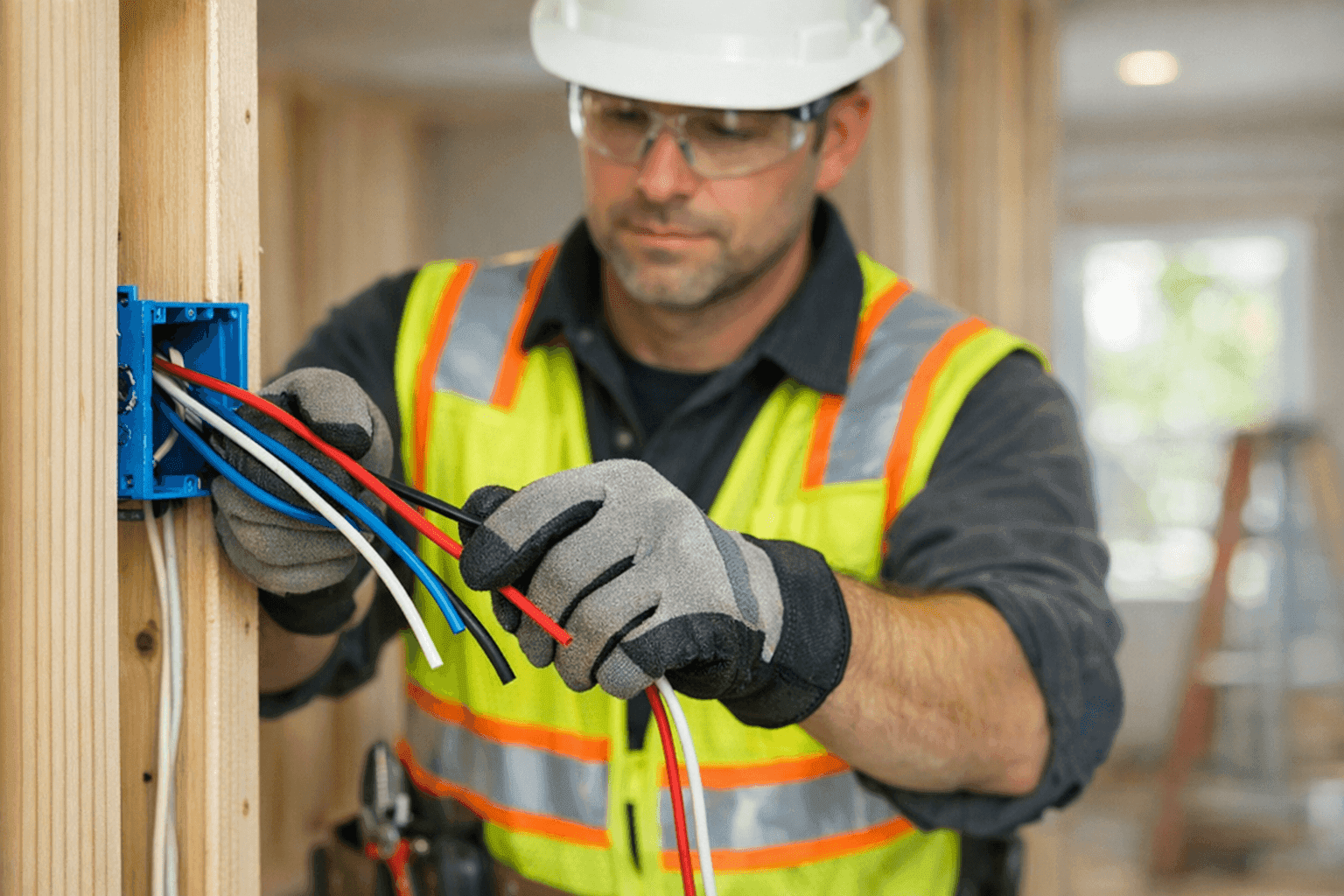
Rewiring your home is a big decision. It’s not just about money—it's about peace of mind. When your wiring is old, unsafe, or overloaded, every day you wait can put your home and family at risk. At Lighteq Electric, we know how stressful this can feel. That’s why we’re here to shed light on the real costs of rewiring, so you can plan with confidence.
Let’s break down what goes into rewiring costs, what warning signs to look for, and how to make sure your family stays safe—without any surprises.
What Impacts Rewiring Costs? 💡
No two homes are wired the same. The cost to rewire your house depends on a handful of key factors:
- Size of Your Home: More rooms mean more wire, more outlets, and more labor.
- Age of the House: Older homes often have hidden surprises—like outdated knob-and-tube wiring or brittle insulation—that make the job trickier.
- Regional Differences: Labor rates and code requirements can vary by area. For example, stricter local codes or higher demand for electricians can bump up prices.
- Accessibility: If your walls and ceilings are easy to reach, the job goes faster. But if everything’s tucked behind thick plaster or inside crawl spaces, it takes more time and care.
- Scope of Work: Are you rewiring just a few circuits, or the entire house? Are you adding modern upgrades like smart switches or extra outlets?
Think of it like remodeling a kitchen. The more walls you open and the more features you add, the more you’ll spend.
Material & Labor Considerations
Wires aren’t just wires. The type and quality of materials matter—especially for safety. Here’s what usually goes into a professional rewiring job:
- Copper Wiring: Most homes today use copper, known for its durability and conductivity.
- High-Quality Outlets & Switches: Cheap components can mean problems down the road.
- Panels & Breakers: Upgrading an old fuse box? That adds to the price, but also to your home’s safety.
- Labor: Qualified electricians are trained to handle rewiring with care—matching everything to the latest safety codes (like the National Electrical Code in the U.S.).
- Permits & Inspections: Required by most cities for major electrical work, and built into your quote.
Sometimes, a job takes longer if unexpected problems pop up—like finding hidden junction boxes or unsafe DIY wiring from the past. Good electricians will walk you through these discoveries as they happen.
Signs Your Home Needs Rewiring
Not sure if it’s time? Here are some warning lights on the electrical dashboard:
- Frequent Circuit Breaker Trips: If you’re always running to the panel, your old wiring may be overloaded.
- Flickering Lights: More than just a spooky effect—this can signal loose or poor connections.
- Warm or Discolored Outlets: Heat is a red flag. Outlets and switches should never feel hot.
- Old Wiring Types: If your home has cloth-insulated, aluminum, or knob-and-tube wiring, it’s time to consider an upgrade.
- Two-Prong Outlets: These don’t include a ground wire, a key safety feature in modern homes.
- Strange Odors or Buzzing: Burning smells or persistent buzzing can mean wire insulation is breaking down.
If you see these signs—or your home is over 40 years old—get an inspection. Your safety could depend on it.
Typical Price Ranges
So, what’s the bottom line? Here’s what you might expect in terms of costs:
- Small Homes (1–2 bedrooms): $4,000–$8,000
- Medium Homes (3–4 bedrooms): $8,000–$16,000
- Large Homes (5+ bedrooms): $16,000–$30,000+
Keep in mind, these are ballpark amounts. Factors like local labor rates, material costs, and the complexity of your home can push your price up or down. For example, homes with finished basements, additions, or unique architecture may cost more to rewire.
Regional Variations Matter
Living in a city? Suburbs? Out in the country? Where you live affects the cost to rewire your house. In some areas, stricter code requirements mean extra work—like installing arc fault circuit interrupters (AFCIs) or tamper-resistant outlets. Labor rates are also higher in some regions. It’s important to talk with a local electrician who knows the rules and rates in your area.
If you’re in Plymouth, you can learn more about Electrical System Installation and get a sense of local expectations.
Why Professional Rewiring Is Vital for Safety
Electrical wiring isn’t the place to cut corners. Mistakes can lead to fire, shock, or damage to your appliances and electronics. Professional electricians:
- Follow strict safety codes (like those set by the National Fire Protection Association).
- Use proper materials for your home’s needs.
- Test every circuit and connection before finishing the job.
- Pull the right permits and arrange for city inspections—so everything’s above board.
Peace of mind is worth every penny here. Your home’s wiring is like its nervous system: you want it healthy, strong, and built to last.
How to Get an Accurate Quote
A good quote is like a roadmap—it shows you where your money’s going. At Lighteq Electric, we believe in transparency:
- In-Home Assessment: We visit your home, check your current wiring, and talk through your needs.
- Detailed Proposal: You get a breakdown: materials, labor, timeline, and permit fees. No hidden costs.
- Walkthrough: We explain the process, answer your questions, and flag any issues we spot.
- Clear Timeline: You’ll know how long the job will take and what to expect—so you can plan ahead.
For more on our approach, check out our rewiring and electrical system installation services.
Quick Safety Checklist Before You Start
- Turn off power to the area if you notice burning smells, sparks, or hot outlets.
- Don’t attempt major rewiring yourself—mistakes can be deadly.
- Look for a licensed, insured electrician with experience in residential rewiring.
- Ask about permits and inspections upfront.
DIY vs. Call a Pro
Maybe you’re handy with tools, but rewiring is a tall mountain to climb. DIY can save money on painting or landscaping, but electrical work is different. Without the right training, you risk shock, fire, or expensive mistakes. Only a qualified electrician can guarantee your home meets code and insurance requirements.
What Electricians Do On Arrival
Here’s what to expect when a Lighteq Electric technician shows up:
- Inspect your electrical panel, outlets, and visible wiring.
- Ask about your power needs—are you adding a pool, spa, or EV charger?
- Check for code violations or aging components.
- Explain your options, costs, and timeline—step by step.
Preventing Future Electrical Problems
Wiring isn’t “set it and forget it.” Here’s how to keep your system healthy:
- Schedule regular electrical safety inspections.
- Upgrade old outlets and switches to modern, grounded versions.
- Avoid overloading outlets with too many devices.
- Consider adding surge protection to safeguard electronics.
When It’s an Emergency
If you smell burning, see smoke, or have an outlet that’s hot to the touch—shut off power at the panel and call an electrician right away. Safety comes first.
FAQ: Common Questions About Rewiring Costs
Q: Can I rewire just one room?
A: Yes, but it’s often more cost-effective to tackle larger sections at once, especially if your wiring is outdated throughout.
Q: How long does a full house rewire take?
A: Most homes take 3–10 days, depending on size and complexity.
Q: Will my walls be damaged?
A: Some cutting is usually needed, but skilled electricians minimize disruption and explain repairs up front.
Q: Is rewiring covered by homeowners insurance?
A: Usually not, unless it’s part of damage caused by a covered event. Check your policy for details.
Timeline & What to Expect
- Pre-Work: Assessment and quote, permits secured.
- During: Power may be off in sections; some dust and noise are normal.
- After: Full inspection, testing, and clean-up. Your home will be safer and ready for the future.
Mistakes to Avoid
- Hiring unlicensed or uninsured contractors.
- Accepting vague or verbal quotes.
- Ignoring warning signs until there’s an emergency.
- Focusing only on price—remember, safety and quality matter most.
Wrapping Up: Budget with Confidence
Rewiring your house is a big step, but it’s one that pays off in safety, reliability, and peace of mind. At Lighteq Electric, we make the process clear, honest, and as smooth as possible. No hidden fees. No shortcuts—just a team that treats your home like their own.
Call Lighteq Electric now — or reach us anytime at 855-552-3493 .