Electrical Certificates Explained: What Every Homeowner Should Know
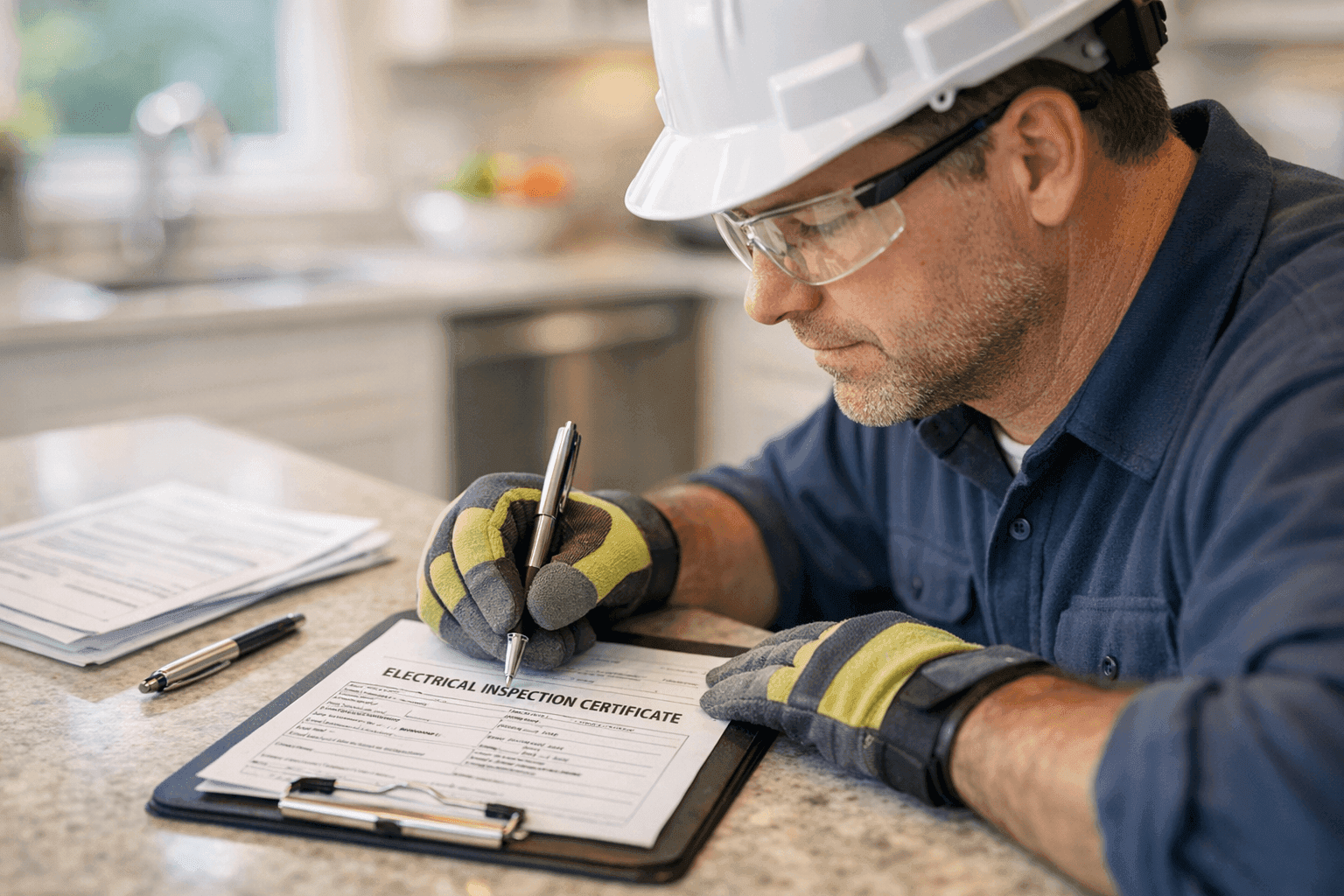
Every home tells a story. But behind the walls and switches, there’s an invisible storyline: your electrical system. It hums with life, keeps your family safe, and powers your everyday. But how do you know it’s truly safe? That’s where electrical certificates come in.
At Lighteq Electric, we help homeowners untangle the rules, paperwork, and peace of mind that electrical certificates provide. Let’s break down what matters—no jargon, just clear answers for your safety.
What Are Electrical Certificates? 📝
Think of an electrical certificate as your home’s report card. It shows that a licensed electrician has checked, upgraded, or installed electrical work, and that everything meets safety codes. It’s not just paperwork—it’s your safety net.
Electrical certificates prove that your wiring, outlets, circuits, and devices are up to snuff. They’re required after new work, big repairs, or even as part of a sale or rental. If your home’s electrical system is the heart, certificates are your regular health check.
Types of Certificates
Not all certificates are the same. Here’s a quick rundown of what you might encounter:
- Electrical Installation Certificate (EIC): For new installations or major rewiring. It shows the work meets the National Electrical Code (NEC) or local safety rules.
- Minor Electrical Installation Works Certificate: For smaller jobs, like adding new outlets, switches, or fixtures.
- Electrical Safety Inspection Report: Sometimes called an Electrical Condition Report. It’s a snapshot of your system’s health after a thorough electrical safety inspection.
- Periodic Inspection Reports: For rentals or older homes, these are regular check-ups to spot hidden dangers.
- Certificate of Compliance: Required in many areas for selling, buying, or major renovations.
Understanding what certificate you need can feel overwhelming. But each one has a job: to verify your home is electrically sound.
When Are They Needed? ⚡
You might need an electrical certificate in more situations than you think. Here are the most common:
- Selling or Buying a Home: Most lenders, insurers, and realtors require up-to-date certificates. No certificate? The sale may stall.
- Renting Out Property: Local laws often require landlords to provide recent safety inspection certificates before tenants move in.
- Major Renovations: If you’re remodeling a kitchen, adding a spa, or upgrading panels, a fresh certificate is a must.
- After Electrical Repairs or Upgrades: Any time a Certificates does significant work, you should receive documentation.
- Pool & Spa Electrical Near You: Special rules apply to water and electricity. Certificates are critical to prove safe installation.
- Routine Safety Checks: For peace of mind, many homeowners request periodic safety checks or inspections.
Remember: Skipping the certificate isn’t just risky—it can be illegal. Local building codes and the National Electrical Code (NEC) set the rules.
How to Obtain One
Getting an electrical certificate is a straightforward process—if you know the steps:
- Hire a Qualified Electrician: Choose a licensed professional who understands local codes and regulations. Don’t risk DIY.
- Schedule the Work or Inspection: Whether it’s a repair, installation, or safety check, the electrician will do a thorough job.
- System Testing: The electrician inspects wiring, panels, outlets, and devices. Specialized tools check for hidden faults.
- Paperwork Issued: Once the work passes all checks, the certificate is completed. Keep copies for your records and share as needed (especially during sales or rentals).
- Address Any Issues: If the inspection finds problems, fix them promptly. You’ll need a clean bill of health to get certified.
Pro tip: Always ask for a copy of your certificate. It’s your proof of compliance and safety.
Why Certificates Matter
Electrical certificates aren’t just about ticking boxes. They’re about protecting your home, your family, and your investment.
- Fire Prevention: Faulty wiring causes thousands of home fires every year. Certificates help catch issues before they spark.
- Legal Protection: If something goes wrong, having the right paperwork shows you did your due diligence.
- Insurance Claims: Insurers may deny claims for electrical fires or damage if you can’t show proof of recent inspections or code compliance.
- Property Value: Buyers want safe homes. Up-to-date certificates can increase your home’s appeal and value.
- Peace of Mind: Sleep easier knowing your electrical system has a clean bill of health.
The Scenario: Selling or Renting? Read This
Selling your home? Renting to tenants? Don’t get caught out. Most states and local authorities require a current electrical certificate before closing or move-in.
Imagine this: You’re weeks from closing, but the buyer’s lawyer asks for an up-to-date certificate. You don’t have it. Suddenly, you’re scrambling for inspections and paperwork, risking delays or lost sales.
Landlords: Tenants have the right to a safe living environment. Without a certificate, you could face fines—or worse, liability if something goes wrong.
Quick Safety Checklist for Homeowners 🛑
Before you book an inspection, do a quick once-over:
- Check for flickering lights or tripping breakers.
- Test smoke and carbon monoxide detectors.
- Make sure outlets near water (kitchen, bathroom, pool) have GFCI protection.
- Look for signs of overheating: discolored outlets, burning smells, or buzzing panels.
- Don’t ignore strange noises or persistent issues.
If you spot trouble, don’t wait. Call an electrician.
DIY vs. Call a Pro
Some jobs look simple, but electrical work is like surgery for your home. One wrong move can risk shock, fire, or serious injury.
- DIY: Changing a lightbulb or resetting a breaker? Go for it.
- Call a Pro: Anything involving wiring, panels, pool & spa electrical, or major installations. Certifications require a licensed electrician.
Remember, only work done by a qualified electrician can be certified. DIY shortcuts might void insurance or break the law.
What Pros Do On Arrival
When you call Lighteq Electric, here’s what to expect:
- Polite, uniformed electrician arrives on time.
- A walk-through of your concerns and needs.
- Systematic inspection—checking panels, testing outlets, reviewing past work.
- Honest feedback: what’s safe, what isn’t, and what needs fixing.
- Clear paperwork after the job, with your electrical certificate ready.
It’s a thorough process, not a rushed job. Your safety comes first.
Prevention & Maintenance
Getting a certificate isn’t a one-time thing. Electrical systems age, and codes change. Here’s how to stay ahead:
- Schedule regular Electrical Safety Inspections every few years, especially for older homes.
- After storms, flooding, or renovations, consider an extra check.
- Test smoke and carbon monoxide detectors monthly.
- Watch for signs of wear—especially if you have old aluminum wiring or outdated panels.
A little prevention saves headaches down the road.
Costs & Time Factors
- Cost: Inspection and certificate costs vary by home size and work needed. Small jobs may be under $200; complex rewiring or generator installs can be more.
- Time: Most inspections take 1–3 hours. If repairs are needed, add extra time.
- Hidden Costs: Skipping certification could cost more in insurance, fines, or even replacement wiring if problems are missed.
Ask your electrician for a clear quote up front.
When It’s an Emergency 🚨
Some electrical issues can’t wait:
- Burning smells from outlets or panels
- Repeated breaker trips or power loss
- Water damage near wiring
- Sparks, buzzing, or heat from outlets
If you spot any of these, call for emergency service immediately. Don’t risk your safety.
FAQ: Your Certification Questions Answered
Do I need a certificate for minor repairs?
Not always—but for new circuits, rewiring, or anything affecting home safety, yes.
What if I lose my certificate?
Contact your electrician. Reputable companies keep records and can provide replacements.
Can I sell my house without a certificate?
In most areas, no. Check with your local building department or realtor.
Are certificates required for pool & spa electrical near you?
Absolutely. Water and electricity are a dangerous mix. Inspections are essential.
How long is a certificate valid?
Depends on local rules—often 3–5 years, or until major changes are made.
Seasonal Considerations
- Winter: Space heaters and extra lighting can stress old wiring.
- Spring: After storms or flooding, check for water damage in panels or basements.
- Summer: Pools, spas, and outdoor kitchens need up-to-date certificates before use.
- Fall: Good time for a pre-holiday safety check, especially before plugging in decorations or new appliances.
Common Mistakes Homeowners Make
- Ignoring flickering lights or buzzing sounds.
- Assuming new appliances don’t need upgraded circuits.
- Skipping inspections before buying an older home.
- Hiring unlicensed handymen for electrical work.
- Losing track of important paperwork.
Don’t make these mistakes. Your safety—and your wallet—depend on it.
Signs of Trouble
- Frequent breaker trips
- Outlets that spark or feel hot
- Lights that dim when large appliances run
- Burning smells or discoloration on outlets
- Old or damaged wiring
If you spot these, get a safety check and certification.
Timeline & Disruption
Worried about mess or downtime? Most inspections and certifications are quick and tidy. Larger jobs—like full rewiring—may take longer, but your electrician will discuss the timeline and steps in advance.
You can usually stay in your home during the process, with minimal disruption.
Materials and Equipment Used
- Multimeters and circuit testers to check voltage and safety
- GFCI and AFCI testers for outlets
- Inspection cameras for hidden wiring
- Up-to-date codebooks (like the NEC)
- Official certificate forms for documentation
All tools are designed for safety and accuracy.
References to Codes and Guidelines
Electrical certificates aren’t just “nice-to-haves.” They’re based on standards like:
- National Electrical Code (NEC)
- State and local building codes
- Insurance and realtor requirements
Ask your electrician what codes apply in your area.
Electrical certificates aren’t just paper—they’re peace of mind, proof of safety, and your home’s invisible armor. Don’t risk shortcuts. If you’re selling, renovating, or just want to sleep better at night, call Lighteq Electric for your next inspection, repair, or certification.
Call Lighteq Electric now — or reach us anytime at 855-552-3493 .