Electrical Fault Finding: Common Issues and How Pros Diagnose Them
Electrical faults can turn an ordinary evening into a stressful scramble. Flickering lights, tripped breakers, or outlets that suddenly stop working—they’re more than annoyances. They’re signals your home is asking for help.
At Lighteq Electric, we know how urgent and frustrating these problems feel. Our certified electricians bring advanced diagnostic tools and a calm, methodical approach to every home. Let’s look at how electrical fault finding really works, so you know what to expect—and when to reach out.
What Is Electrical Fault Finding? 🔎
Electrical fault finding is a bit like detective work. Imagine your home’s wiring as a hidden network of roads. When there’s a “traffic jam”—a loose wire, a blown fuse, or a malfunctioning switch—a skilled electrician traces the problem to its source. The goal? Restore safety and function without guesswork.
Fault finding is not just about fixing what’s broken. It’s about understanding why it happened—so it doesn’t come back.
Common Faults at Home: What Goes Wrong?
Most electrical issues at home fall into a handful of categories:
- Loose wires: Over time, connections can work themselves free, especially in older homes.
- Overloaded circuits: Plug too many devices into one outlet, and the system can’t keep up.
- Aging materials: Old insulation, corroded wires, or outdated panels increase risk.
- Faulty switches and outlets: Wear and tear causes failure.
- Tripped breakers: Often a sign of deeper problems, not just a momentary overload.
- Short circuits: When hot and neutral wires touch, it can cause sparks—or worse.
Each symptom tells a story. Flickering lights? Could be a loose neutral wire. Buzzing outlets? Maybe a failing connection. A breaker that keeps tripping? Time to check for overloads or shorts.
How Pros Diagnose Issues
When a Lighteq Electric electrician arrives, they don’t just poke around with a screwdriver. Diagnosis is a step-by-step process:
- Listen and Observe: We start by asking you about the problem. When did it start? What else was running at the time?
- Visual Inspection: We scan for obvious signs—burn marks, melted insulation, loose outlets, or strange odors.
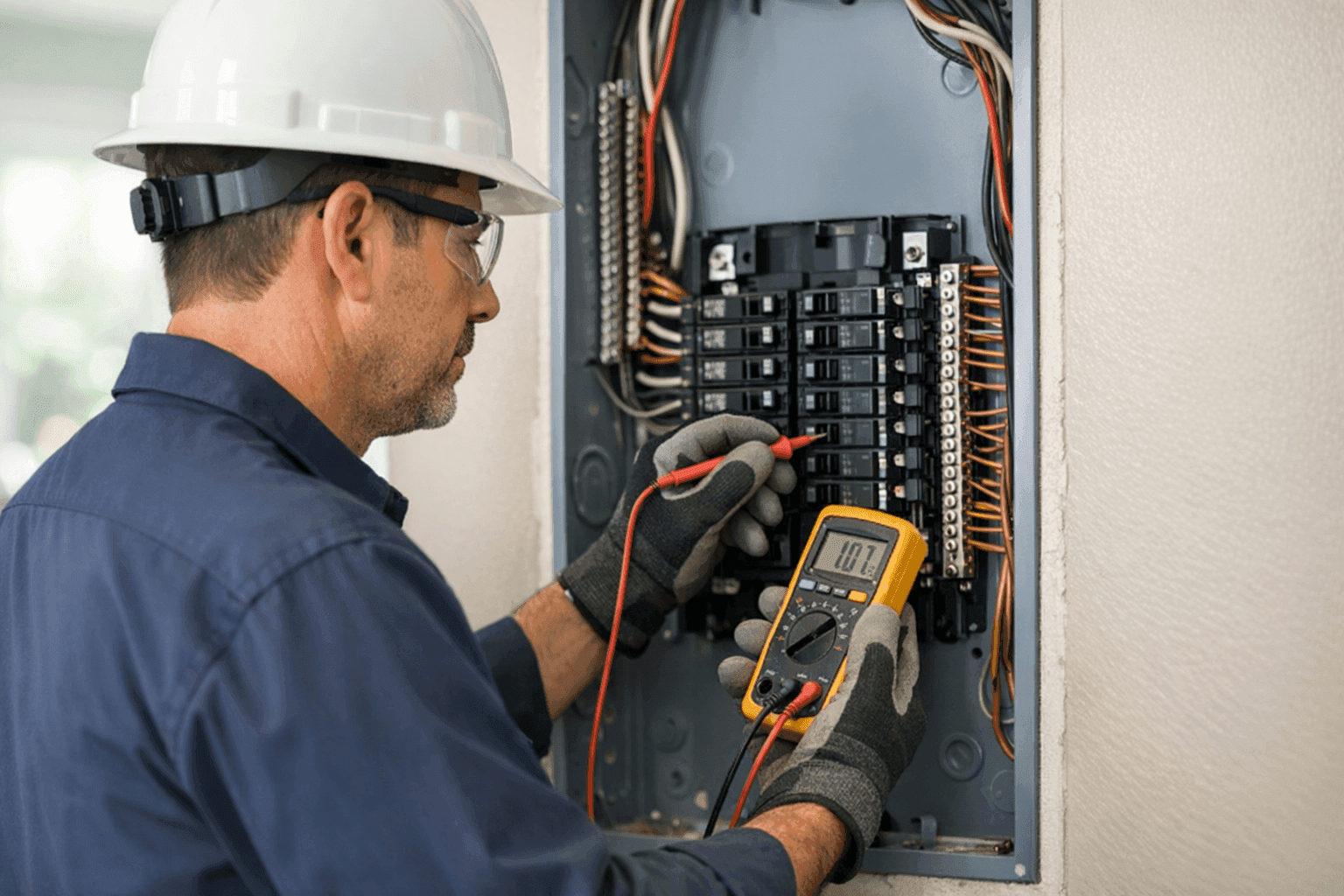
- Test Safely: Using a multimeter, voltage tester, or circuit tracer, we check for live circuits, open grounds, and other hidden dangers.
- Divide and Conquer: By isolating parts of the system, we narrow down the fault. For example, unplugging appliances or removing suspect outlets from the circuit.
- Code Compliance: We reference the National Electrical Code (NEC) and local safety guidelines to ensure repairs meet the highest standards.
Underlying it all? Years of training and a methodical mindset.
Tools and Techniques Electricians Trust
Solving electrical mysteries takes more than a flashlight. Here’s what’s typically in our toolkit:
- Multimeter: Measures voltage, resistance, and continuity.
- Circuit tracer: Finds hidden wires and dead circuits behind walls.
- Insulation resistance tester: Checks if wires are breaking down inside their jackets.
- Clamp meter: Measures current without disconnecting wires.
- Non-contact voltage tester: Safely detects the presence of live current.
We also use thermal cameras for finding overheating wires—especially in homes with older panels or high loads.
Warning Signs: When Something Isn’t Right
Some electrical issues shout for attention. Others whisper. Watch for these red flags:
- Outlets or switches that feel warm
- Crackling, buzzing, or popping sounds
- Lights that dim when appliances turn on
- Burning smells (especially near panels or outlets)
- Repeatedly tripped breakers
- Unexplained power loss to part of the home
If you spot any of these, don’t wait. These are not “wait and see” problems—they’re signals something deeper is wrong.
Quick Safety Checklist Before You Troubleshoot ⚡
Before you touch anything:
- Turn off power: Use your breaker panel, not just the switch.
- Test for voltage: Always verify with a tester—even if you think it’s off.
- Keep hands dry: Water and electricity are a dangerous mix.
- Don’t touch bare wires: Only work on exposed wiring if you know what you’re doing.
- Work in good light: Shadows can hide hazards.
Remember: If you’re unsure, it’s safer to wait for a professional.
DIY or Call a Pro? Knowing Your Limits
It’s tempting to fix a loose outlet or replace a breaker yourself. For simple things—like changing a lightbulb or resetting a tripped breaker—that’s fine. But if you’re facing:
- Persistent breaker trips
- Burning smells or discolored outlets
- Shocks from switches or appliances
- Flickering lights in multiple rooms
…it’s not a DIY project. Electrical systems hide risks beneath the surface. One wrong move can lead to shocks, fire, or expensive repairs.
What Happens When an Electrician Arrives
Expect a calm, methodical process. We ask questions, inspect visually, and use specialized tools to pinpoint the problem. You’ll see us check connections, open panels, and test circuits. Sometimes, we’ll isolate rooms or unplug devices to narrow things down.
Our focus: safety first, then restoring your comfort.
Prevention & Maintenance Tips
The best electrical problems are the ones you never have. Here’s how to keep your system healthy:
- Don’t overload outlets or power strips.
- Schedule regular electrical safety inspections—especially in older homes.
- Replace aging outlets and switches before they fail.
- Upgrade panels and wiring when renovating.
- Use surge protectors for sensitive electronics.
- Check smoke and carbon monoxide detectors monthly.
Following guidance from sources like the U.S. Consumer Product Safety Commission can help prevent many common issues.
Costs & Time Factors
How long does fault finding take? Simple problems (like a loose outlet) can be solved in under an hour. Complex faults—especially those hidden in walls—can take several hours or more.
Costs depend on time, materials, and the complexity of repairs. We always explain what’s needed before starting work.
When It’s an Emergency 🚨
Some situations can’t wait:
- Smoke or fire from outlets or panels
- Entire home without power (and it’s not a utility outage)
- Flooded electrical panels or exposed wires after storms
If you see fire or smoke, call 911 first—then us. For everything else, our 24-hour service is ready to respond.
FAQ: Electrical Fault Finding
Q: Why do my lights flicker when I use the microwave?
A: Large appliances can overload shared circuits. This often means the circuit is near its limit, or connections are loose.
Q: Is it normal for outlets to feel warm?
A: No. Warm outlets can signal loose wires or overload—both are fire risks.
Q: How often should I have my electrical system checked?
A: Every 3–5 years for most homes, or sooner if you notice problems.
Q: Can old wiring cause problems even if everything “works”?
A: Yes. Aging insulation or corroded connections can fail suddenly and unpredictably.
Seasonal Considerations: Electrical Safety Year-Round
- Winter: Extra heaters and holiday lights can strain circuits.
- Spring storms: Floods or leaks can reach wiring.
- Summer: Air conditioners and pool equipment draw heavy loads.
- Fall: Rodents sometimes nest in warm panels, damaging wires.
Regular maintenance and seasonal checkups help prevent surprises.
Common Mistakes Homeowners Make
- Ignoring repeated breaker trips
- Using extension cords as permanent wiring
- “Fixing” outlets with tape or makeshift repairs
- Skipping regular safety inspections
A little prevention goes a long way—don’t wait for a small issue to become a big one.
Signs of Trouble Not to Ignore
If you ever see sparking, smell burning, or lose power in part of your home, call for help right away. Minor annoyances can quickly become dangerous emergencies.
Timeline & Disruption: What to Expect
Most electrical fault finding causes minimal disruption. You might lose power to a room or two while we work. We keep you informed at every step, so you’re never left in the dark—literally.
Materials & Equipment: Why Professional Tools Matter
Home wiring is more complex than ever—especially with smart home gear, EV chargers, and pool systems. Our electricians use state-of-the-art diagnostic equipment to find faults faster and safer than ever before.
When to Call for Help
Any time you’re unsure, or when the problem involves more than changing a bulb or flipping a breaker, call a licensed electrician. It’s the safest path for your family, your home, and your peace of mind.
If you need help with Wiring & Circuits, or want to learn more about our fault finding and repairs services, Lighteq Electric is here for you.
Call Lighteq Electric now — or reach us anytime at 855-552-3493 .