Electrical Maintenance Tips to Extend the Life of Your System
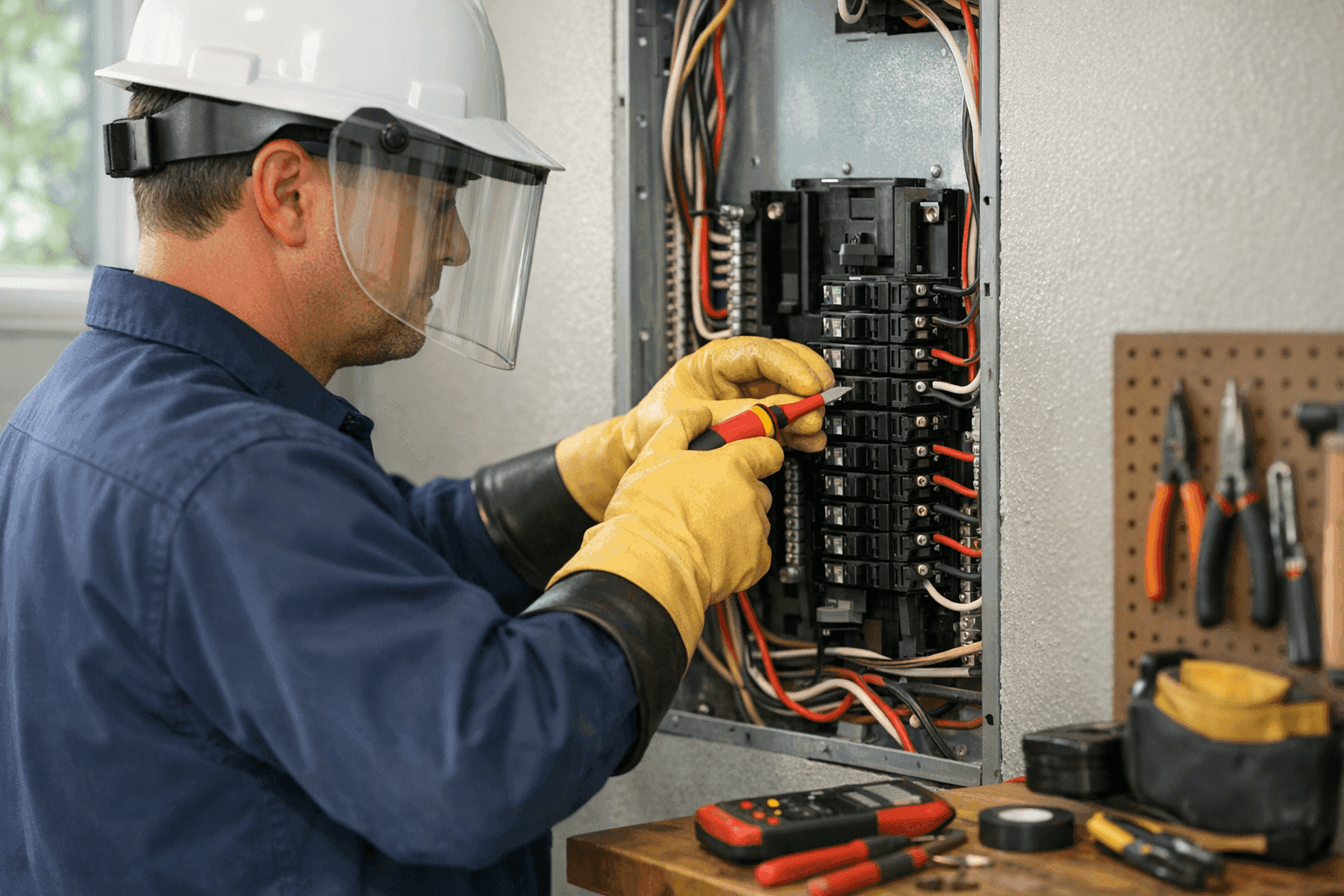
If you’re like most homeowners, you depend on your electrical system every single day. Lights, appliances, devices—they’re all powered by a network of wires and connections humming behind your walls. But just like a car needs regular oil changes, your electrical system needs routine care to keep it running safely and efficiently.
The good news? Proactive maintenance isn’t complicated. And it can help you avoid costly repairs, unexpected outages, and even serious safety hazards. At Lighteq Electric, we’ve helped countless families create safer, longer-lasting electrical systems—here’s how you can do the same.
Why Electrical Maintenance Matters ⚡
Imagine skipping doctor checkups for years—eventually, small issues turn into big problems. Your electrical system is no different. Over time, normal wear, fluctuating weather, and household changes can all put stress on your wiring, panels, outlets, and fixtures.
Regular maintenance:
- Prevents hazards. Faulty wiring or overloaded circuits can lead to fires, shocks, or appliance damage.
- Extends system life. Well-cared-for equipment and wiring can serve your home safely for decades.
- Saves money. Small fixes cost less than emergency repairs or replacements.
- Keeps your home up to code. The National Electrical Code (NEC) is updated often. A maintenance-minded electrician can spot any issues before they become violations.
Seasonal Electrical Maintenance Checklist
Just as you swap out your wardrobe with the seasons, your electrical system needs different care in summer and winter.
Spring & Summer Prep
- Test all GFCI outlets. Press the “test” and “reset” buttons to make sure outdoor and bathroom outlets are working.
- Inspect extension cords. Replace any frayed or cracked cords, especially for lawn tools or pool equipment.
- Check pool & spa electrical. Make sure connections are dry, secure, and protected with GFCIs. If you’re thinking about upgrades, search for reliable Pool & Spa Electrical near you.
- Clean around outdoor outlets. Keep outlets clear of dirt, mulch, and standing water.
Fall & Winter Prep
- Check weatherproof covers. Outdoor outlets and fixtures should have tight-fitting covers.
- Test smoke & carbon monoxide detectors. Replace batteries, vacuum out dust, and check the manufacture date. Detectors older than 10 years should be replaced.
- Inspect holiday lighting. Use lights labeled for outdoor use, and never overload extension cords.
- Schedule a safety check. Winter storms and increased heating loads can stress your system; a quick Safety Checks visit can spot trouble early.
DIY vs. Pro Tasks: Knowing Your Limits
You wouldn’t try to fix your own brakes unless you really knew what you were doing. The same goes for electricity. Some tasks are safe for homeowners; others are best left to a licensed electrician.
Safe DIY Tasks
- Testing GFCI and AFCI outlets
- Replacing lightbulbs and batteries in detectors
- Cleaning dust from breaker panels (with the main OFF)
- Resetting tripped breakers
Call a Pro For:
- Flickering lights or frequent breaker trips
- Outlets that are hot, buzzing, or discolored
- Upgrading panels, adding circuits, or rewiring
- Installing surge protection, EV chargers, or backup generators
- Electrical Safety Inspections for peace of mind
Remember, electricity isn’t forgiving. If you see, hear, or smell anything unusual, it’s time to call for help.
Common Maintenance Mistakes (And How to Avoid Them) 🚩
Even the most attentive homeowner can slip up. Here are some pitfalls we see all the time:
- Ignoring outdated panels. Federal Pacific or Zinsco panels are known fire risks, even if they “seem fine.”
- Overloading outlets. Multi-plug adapters can overheat and spark fires.
- Skipping annual tests. Smoke and CO detectors need regular testing—don’t just trust the silence.
- DIY repairs on main service panels. These are dangerous and should always be handled by a qualified electrician.
The Power of Surge Protection
Lightning strikes, grid issues, and even large appliances cycling on can send voltage spikes through your home. These surges can fry electronics, damage appliances, and weaken wiring.
- Install whole-house surge protection. This is like a helmet for your home’s electrical “brain.” It absorbs excess voltage before it does harm.
- Use surge strips for sensitive devices. TVs, computers, and gaming consoles deserve extra defense.
The National Fire Protection Association (NFPA) recommends surge protection as part of a modern home’s safety plan.
Regular Testing of Smoke & Carbon Monoxide Detectors
A detector without power or a dead sensor is as useful as a car with no gas. Make testing part of your monthly routine. Press the “test” button on each unit, and replace batteries every six months. If a detector chirps or shows a failure signal, swap it out right away.
- Check the manufacture date—most detectors expire after 7–10 years.
- Use interconnected alarms for full-home coverage, especially in bedrooms and hallways.
- For peace of mind, consider having an electrician handle hardwired or combo units.
When to Call for Help: Warning Signs You Can’t Ignore
Some problems demand immediate attention. Don’t wait or try to “ride it out” if you notice:
- Burning smells near outlets or panels
- Repeatedly tripping breakers or blown fuses
- Lights that dim or flicker when appliances run
- Outlets that spark or feel warm to the touch
- Buzzing sounds from switches or fixtures
These symptoms could signal dangerous wiring faults, overloaded circuits, or failing components.
Safety Checks: Your Home’s Health Report 🏠
A regular Safety Checks appointment is like an annual physical for your electrical system. Lighteq Electric’s team inspects panels, tests outlets, checks grounding, and looks for hidden hazards. We’ll also review your surge protection, detector placement, and code compliance.
- Peace of mind. Know your system is safe and ready for whatever the season brings.
- Documentation. Get a written report for insurance or home sales.
- Tailored advice. We’ll recommend preventive fixes, not just patch-ups.
Home Automation and Electrical Maintenance
Smart thermostats, lighting controls, and automation hubs make modern homes more efficient—but they also add complexity. Keep these systems updated, check wiring connections annually, and use surge protection to guard against glitches.
If you’re planning upgrades, bring in an electrician who’s experienced with both low voltage systems and smart tech.
Pool, Spa & Outdoor Electrical: Special Considerations
Water and electricity are opposites—unless you’re a fish! For pools, spas, and outdoor kitchens:
- Use only outdoor-rated, GFCI-protected outlets.
- Ensure all fixtures and pumps are grounded.
- Inspect for corrosion or exposed wires after storms or winter freeze.
- Schedule annual checks before swim season.
Always search for Pool & Spa Electrical near you if you’re not sure your setup is safe.
The Importance of Code Compliance
Electrical codes aren’t just red tape—they’re the playbook for safe installations. The NEC and local rules change over time. During maintenance visits, your electrician checks for:
- Outdated or missing GFCI/AFCI protection
- Unlabeled or double-tapped breakers
- Improperly sized wires or mismatched breakers
- Inadequate surge protection
Staying up-to-date keeps your family safe and can even lower insurance costs.
Maintenance for Older Homes
Older wiring and panels can work fine, but they’re more likely to have hidden issues:
- Knob-and-tube or aluminum wiring: both need special care
- Outdated panels may lack capacity for today’s devices
- Ungrounded outlets are a shock risk
If your home is over 30 years old, schedule a full electrical inspection every 3–5 years.
Emergency Electrical Service: What to Do First
If you lose power, smell burning, or see smoke, act fast:
- Switch off the main breaker if it’s safe.
- Evacuate if you see flames or heavy smoke.
- Call 911 for fire or shock emergencies.
- For non-life-threatening issues, call a 24-hour electrician right away.
Lighteq Electric offers 24-hour emergency service to keep your family safe.
How Much Time & Disruption Should You Expect?
Most maintenance visits take 1–2 hours for a standard home. More complex issues, like panel upgrades or rewiring, may take a day or more. We work efficiently, keep mess to a minimum, and explain every step—so you’re never left in the dark.
Frequently Asked Questions
Q: How often should I schedule electrical maintenance?
A: Once a year is ideal for most homes. Schedule extra checks after major renovations, weather events, or if you add new appliances.
Q: Can I do my own electrical safety inspection?
A: You can spot some issues, but a licensed electrician has the tools and training to catch hidden dangers.
Q: What’s the difference between a safety check and a code inspection?
A: A safety check looks for hazards that could cause harm. A code inspection follows local regulations for selling or remodeling a home—both are important.
Final Thoughts: Proactive Care Pays Off
Caring for your electrical system is a lot like tending a garden. A little attention, at the right time, yields years of safe, reliable power. And when in doubt, call in the professionals. At Lighteq Electric, we’re here with the know-how and tools to keep your home powered and protected.
Call Lighteq Electric now — or reach us anytime at 855-552-3493 .