Electrical Safety for DIYers: What You Should and Shouldn’t Do
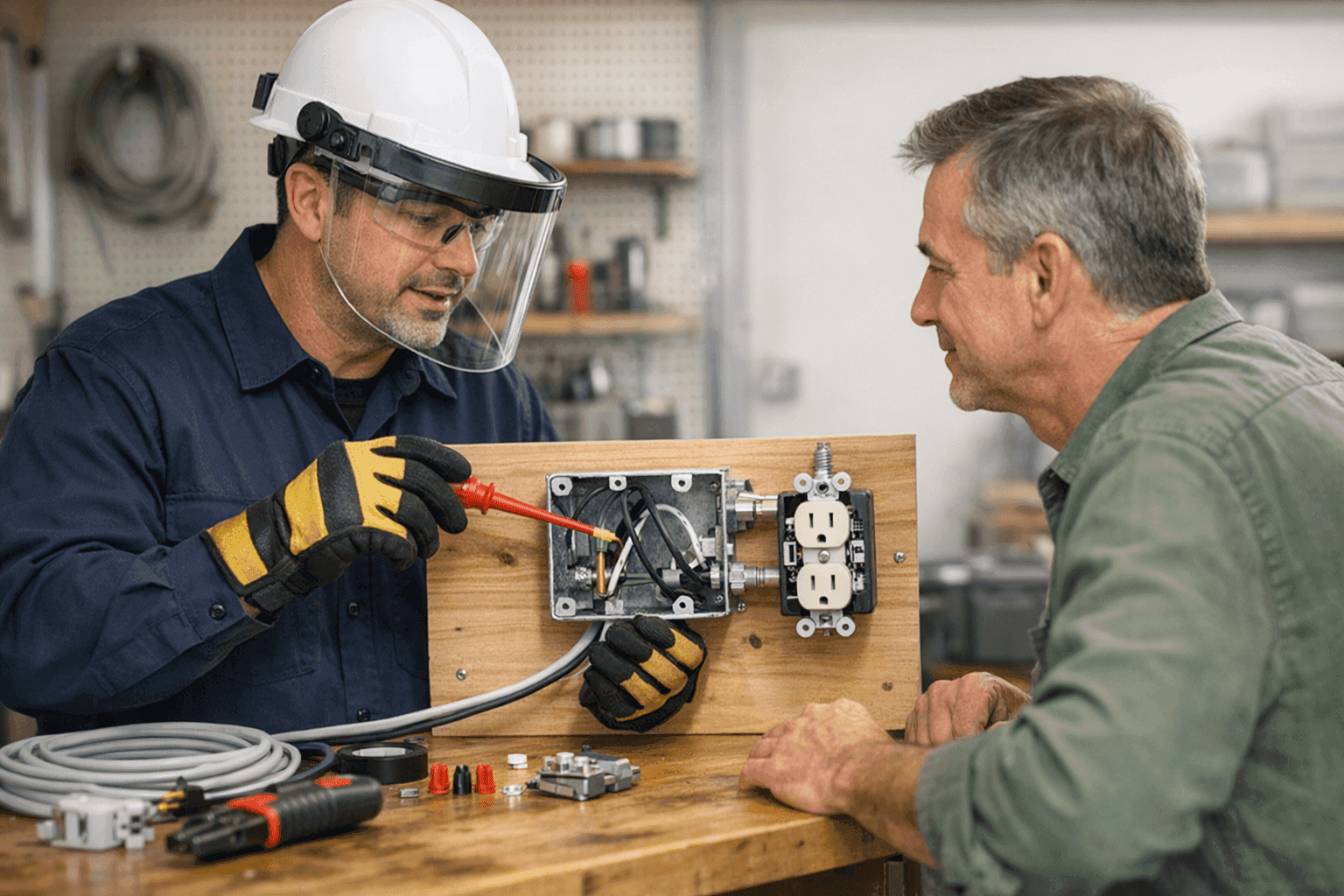
DIY electrical projects can be tempting. A flickering light or a broken outlet might look simple to fix. But electricity isn’t just another weekend project—it’s invisible, silent, and unforgiving if you make a mistake.
At Lighteq Electric, we’ve seen what happens when good intentions meet hidden dangers. That’s why we’re sharing clear, practical advice so you know exactly where DIY ends and when it’s time to call in a professional electrician. Safety isn’t just a slogan—it’s the difference between peace of mind and a costly emergency.
What’s Safe for DIY? ⚡
Some electrical tasks are like changing a lightbulb—simple, low-risk, and safe for most handy homeowners. Others are more like poking a sleeping bear. It’s best to know the difference.
Generally safe for DIY:
- Replacing lightbulbs or plug-in nightlights
- Resetting tripped breakers (if the problem isn’t recurring)
- Changing batteries in smoke or carbon monoxide detectors
- Swapping out faceplates on switches or outlets (but not the devices themselves)
- Plugging in and troubleshooting simple appliances
Proceed with caution:
- Replacing an old outlet with a new one (if you know how to turn off the breaker, test for power, and follow color coding)
- Installing a new light fixture (if box is already installed and wiring is undamaged)
- Mounting a new doorbell chime
Should NOT be DIY:
- Adding new outlets or circuits
- Pool & Spa Electrical near you
- Upgrading or replacing your electrical panel
- Rewiring switches, outlets, or fixtures without a clear understanding of your home’s wiring
- Anything involving high-voltage wires or outdoor systems
- Installing EV chargers or backup generators
If you’re unsure, always stop and consult a licensed electrician. When it comes to electrical work, “better safe than sorry” isn’t just a saying—it’s a lifesaver.
Quick Safety Checklist
Before you pick up a screwdriver, run through this safety checklist:
- Turn off the correct breaker at your main panel.
- Use a non-contact voltage tester to double-check that wires are dead.
- Wear insulated gloves and shoes with rubber soles.
- Never work on electrical projects with wet hands or near water.
- Keep a fire extinguisher rated for electrical fires within reach.
- Know your exit path in case something goes wrong.
Remember, even simple tools can become dangerous if used incorrectly. Safety glasses aren’t just for show—they protect against wire fragments and sparks.
Tool Safety: More Than Just a Good Grip
Tools are like extensions of your hands. But when electricity’s involved, they need to be up for the job. Always use tools with insulated handles. Never use damaged cords or cracked casings.
Pro tip: Store your multimeter, non-contact tester, and insulated screwdrivers in a dry spot. Moisture and electricity do not mix.
Common DIY Mistakes (And Why They Matter) ❗
It’s easy to make small errors that turn into big problems. Some of the most common mistakes we see include:
- Mixing up wire colors (black is hot, white is neutral, green or bare is ground)
- Using the wrong wire gauge for the circuit
- Over-tightening or under-tightening terminal screws
- Forgetting to turn off power at the panel
- Failing to secure wires inside boxes (leaving them exposed)
- Installing outlets upside down (ground pin should face down unless code or device requires otherwise)
Even a simple mix-up can cause a short circuit, fire, or electric shock. Electrical safety isn’t about perfection—it’s about understanding the risks and respecting the rules.
Legal and Safety Limits: What the Code Says
Electrical codes aren’t just red tape—they’re the safety net for your home. The National Electrical Code (NEC), updated every three years, sets the standard for what’s legal and safe.
Key points:
- In most areas, homeowners can replace existing outlets or fixtures—but cannot install new circuits or rewire rooms without a permit and inspection.
- Pool & Spa Electrical, high-voltage wiring, panel upgrades, and generator installations are always jobs for a licensed electrician.
- Some insurance policies won’t cover damages from unpermitted electrical work.
- Local codes may have stricter rules—always check with your city or county building department.
Ignoring code isn’t just risky—it can cost you when it’s time to sell or insure your home.
Insurance Risks: The Hidden Costs of DIY
A little DIY can save you money—unless something goes wrong. Many home insurance policies exclude claims caused by unlicensed electrical work. That means if a fire starts and the cause traces back to your fix, you could be on the hook for the full repair.
It’s like driving without a seatbelt. You might never crash, but if you do, the consequences are far worse.
When to Call a Pro (and What Happens Next) ☎️
There’s no shame in calling an electrician. In fact, it’s one of the smartest things you can do for your home and family.
Call a pro if:
- You smell burning plastic or see scorched outlets
- Breakers trip repeatedly for no clear reason
- Lights flicker or dim when appliances start
- You’re planning major renovations, adding circuits, or installing high-power devices
- You’re working with Pool & Spa Electrical, or outdoor or wet locations
When you call Lighteq Electric, a licensed electrician will:
- Inspect your system and diagnose problems using professional tools
- Explain options in plain language—no jargon or pressure
- Handle permits and code compliance
- Prioritize your safety and minimize disruption
It’s not just about fixing problems—it’s about preventing them.
Prevention and Maintenance: The Best Kind of DIY
You don’t need a license to help your home’s electrical system last longer.
Simple steps:
- Test GFCI outlets monthly (press “Test,” then “Reset”)
- Check for loose outlets or faceplates
- Keep cords out from under rugs or heavy furniture
- Replace damaged extension cords
- Schedule regular Safety Checks and professional Electrical Safety Inspections
Think of it like brushing your teeth. Small efforts now prevent big headaches later.
Emergency Situations: What Counts?
Sometimes, waiting isn’t an option.
Call for emergency help if:
- You see sparks, smoke, or flames
- There’s a power outage affecting only your home
- Water is leaking near outlets, panels, or wiring
- Someone receives an electric shock
Don’t try to “wait it out” or “fix it quick.” Turn off the main breaker if possible and step away until help arrives.
Signs of Trouble: Don’t Ignore These
Be alert for these warning signs:
- Switches or outlets feel hot to the touch
- A burning or fishy smell from outlets or panels
- Frequent bulb burnouts in the same fixture
- Buzzing or crackling sounds from walls
- Outdated knob-and-tube or aluminum wiring
These are your home’s way of waving a red flag. Don’t look the other way.
The Hidden Timeline: How Long Will It Take?
DIY jobs often seem quick—until you hit a snag. A simple outlet swap might take 10 minutes. But if wires are brittle, colors don’t match, or you discover an old splice, you could lose hours (and your nerve).
A licensed electrician brings speed, experience, and the right tools. What takes you a weekend often takes us an hour.
Materials and Equipment: The Right Stuff Matters
Hardware store shelves are loaded with wire, outlets, and gadgets. But not all are created equal.
- Only buy UL-listed (or equivalent) products
- Match amperage and voltage ratings to your circuit
- Use weatherproof devices for outdoor work
- Never reuse old or corroded parts
Using the wrong materials is like putting a bicycle tire on a car. It might work for a while—until it doesn’t.
Costs and Consequences: What’s at Stake?
A “cheap fix” isn’t so cheap if it leads to a fire, shock, or failed inspection. The cost of calling an electrician is almost always less than the price of repairs after a DIY gone wrong.
Plus, you gain more than just a repair—you get peace of mind, code compliance, and a safer home.
FAQ: Electrical DIY
Can I install my own ceiling fans?
If you’re swapping a fan for an existing light fixture (and the box is rated for fans), maybe. But if new wiring or supports are needed, call a pro.
Do I need a permit?
For anything beyond replacing fixtures or outlets, yes. Permits protect you and ensure work is up to code.
What’s the risk of not following code?
Fire, shock, insurance denial, failed inspections, and in some cases, legal fines.
Seasonal Considerations: DIY and Weather
Summer storms, winter snow, and spring rains all bring electrical risks. Never work on outdoor wiring in wet or humid conditions. If you’re thinking about Residential Services during stormy months, schedule ahead to avoid dangerous weather delays.
The Bottom Line: Know Where DIY Ends
Electricity is powerful, silent, and essential. It keeps your home humming, your family safe, and your life running smoothly. But it demands respect.
Tackle the small stuff if you’re confident and prepared—but know when to step back. When the risks outweigh the rewards, it’s time to call an electrician.
Call Lighteq Electric now — or reach us anytime at 855-552-3493 .