Electrical Safety for Seniors: Tips to Prevent Falls and Injuries
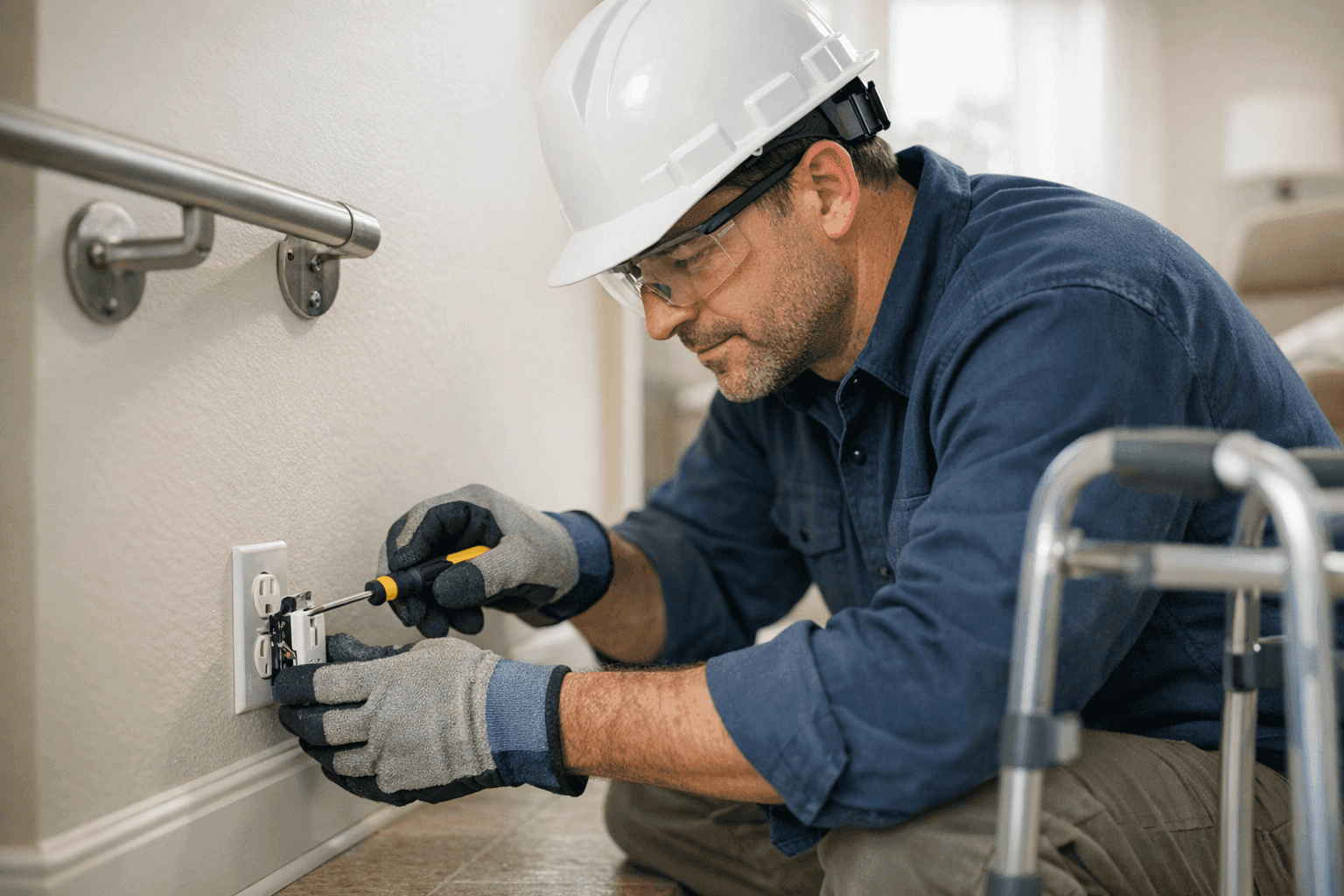
Growing older brings wisdom, but it can also mean new risks around the home—especially when it comes to electricity. At Lighteq Electric, we see every day how small changes can make a big difference for seniors wishing to live safely and independently.
Electrical safety isn’t just about preventing electrical fires or outages. It's about creating an environment where you or your loved ones can move confidently, without tripping over cords or reaching dangerously high to plug in a lamp. Let’s walk through the most practical steps you can take—no matter your age or ability.
Common Electrical Risks for Seniors ⚡
Everyday tasks shouldn’t feel like walking through a maze. Yet, for many seniors, homes designed decades ago can become obstacle courses of cords, poorly placed outlets, and aging wiring. Here’s what to look out for:
- Loose or exposed wires along baseboards or behind furniture.
- Outdated outlets that lack modern safety features, like tamper resistance.
- Extension cords stretched across walkways.
- Unlabeled breakers or crowded panels—confusing in an emergency.
- Poor lighting in hallways or staircases, increasing fall risk.
According to the National Fire Protection Association (NFPA), electrical distribution systems are a leading cause of home fires among older adults. Addressing these risks is step one.
Safe Outlet and Switch Placement
Picture trying to reach a wall plug behind a heavy sofa or having to stoop low every time you turn on a lamp. For seniors, this isn’t just inconvenient—it can lead to falls or muscle strains.
What helps:
- Outlets installed higher on the wall (18–24 inches from the floor) make plugging in much easier.
- Light switches placed at accessible heights, near entryways and beds, reduce unnecessary movement.
- Rocker switches are easier to use than traditional toggles for those with arthritis.
An experienced electrician can evaluate your space and recommend Outlets & Switches upgrades tailored to your needs.
Preventing Extension Cord Hazards
Extension cords are a quick fix but a long-term hazard. They’re like banana peels for the modern home—easy to trip over, and a hidden fire risk if overloaded.
Safer alternatives:
- Add permanent outlets where you use appliances or lamps most.
- Use power strips with surge protection, but never daisy-chain them together.
- Secure cords along walls, not across walkways, using cord covers.
The U.S. Consumer Product Safety Commission warns that over 3,300 home fires originate from extension cords each year. Eliminating their need is always safer.
Upgrading for Accessibility
Simple upgrades can turn a challenging home into a safe haven. Here’s where accessibility meets electrical safety:
- Install motion-sensor lights in hallways, bathrooms, and entryways.
- Upgrade to illuminated switches—no more fumbling in the dark.
- Smart home systems can automate lighting and appliances, reducing trips and effort.
If you’re considering a home update, ask about Residential Services that address both comfort and safety.
Quick Safety Checklist for Seniors
Walk through your home and check:
- Are all outlets and switches working?
- Any cords running under rugs or furniture?
- Is the electrical panel clearly labeled?
- Are smoke and carbon monoxide detectors installed and tested?
- Is there enough lighting in each room, especially at night?
If you spot trouble, it’s time for a professional safety check.
When DIY Isn’t Safe: Leave It to the Pros
Some fixes are safe for a handy homeowner—like changing a lightbulb or testing a smoke detector. But when it comes to wiring, panels, or anything behind the walls, it’s safer to call an electrician.
Professionals are trained to spot hidden dangers. And when it’s about family, safety always comes first.
What Pros Do On Arrival
When Lighteq Electric visits your home for a safety check, here’s what you can expect:
- Inspect all visible wiring for wear or damage.
- Test outlets and switches for proper function.
- Check the electrical panel for outdated or overloaded circuits.
- Evaluate lighting and accessibility.
- Recommend upgrades or repairs in plain language.
We follow the latest National Electrical Code (NEC) standards to ensure your home meets today’s safety requirements.
Prevention & Maintenance: Staying Ahead
Just like regular doctor visits, electrical safety checks should be routine. Preventive maintenance can spot problems before they become emergencies.
- Schedule annual inspections, especially in older homes.
- Test GFCI outlets monthly.
- Replace batteries in detectors twice a year.
Think of it as spring cleaning for your wires.
Signs of Trouble: Know What to Watch For
Don’t ignore these warning signs:
- Frequent circuit breaker trips.
- Flickering or dimming lights.
- Warm outlets or switches.
- Burning smells near outlets or wiring.
- Buzzing sounds from panels or fixtures.
These are the electrical equivalent of a “check engine” light. Call for help before small issues become big ones.
Timeline & Disruption: What to Expect
Worried that upgrades will turn your home upside down? Most safety improvements—like adding outlets or replacing switches—take only a few hours per room. Larger rewiring projects may take a day or two. Clean-up is quick, with minimal disruption.
We always work around your schedule and needs.
Costs & Time Factors
Costs vary depending on the project, but small upgrades (like new outlets or switches) are affordable and can often be completed in a single visit. Larger repairs, such as rewiring, might be more involved but are a wise investment in peace of mind.
Ask us for a written estimate before any work begins.
When It’s an Emergency
If you smell burning, see sparks, or lose power to important medical equipment, call for emergency electrical service right away. Don’t try to fix it yourself—electricity is invisible but powerful.
Lighteq Electric offers 24-hour support for urgent needs.
Seasonal Considerations
Storms, cold snaps, and heat waves can strain home electrical systems. Before winter or summer arrives, consider:
- Inspecting heating and cooling equipment.
- Checking for weatherproof outlet covers outside.
- Ensuring backup generators are ready, especially if you rely on medical devices.
Preparedness brings peace of mind.
Common Mistakes to Avoid
- Overloading outlets with adapters or extension cords.
- Ignoring warning signs like flickering lights.
- Using old, frayed cords.
- Skipping professional inspections.
Like tripping on an unseen step, these mistakes can lead to serious injuries.
FAQ: Electrical Safety for Seniors
Q: How often should I have my home’s electrical checked?
A: Once per year, or after any major renovation.
Q: Are smart home devices safe for seniors?
A: Yes, when installed correctly. They can improve safety by automating lights and appliances.
Q: Is it expensive to add more outlets?
A: It depends on your home’s wiring, but most installations are quick and affordable.
Independent Living, Safely
Electrical safety is a cornerstone of independent living for seniors. At Lighteq Electric, our family-focused team helps you age in place with confidence. If you’re searching for electrician services you can count on—whether it’s for routine Safety Checks or a full accessibility upgrade—we’re ready to help.
Call Lighteq Electric now — or reach us anytime at 855-552-3493 .