Electrical Upgrades for Energy Efficiency: Where to Start
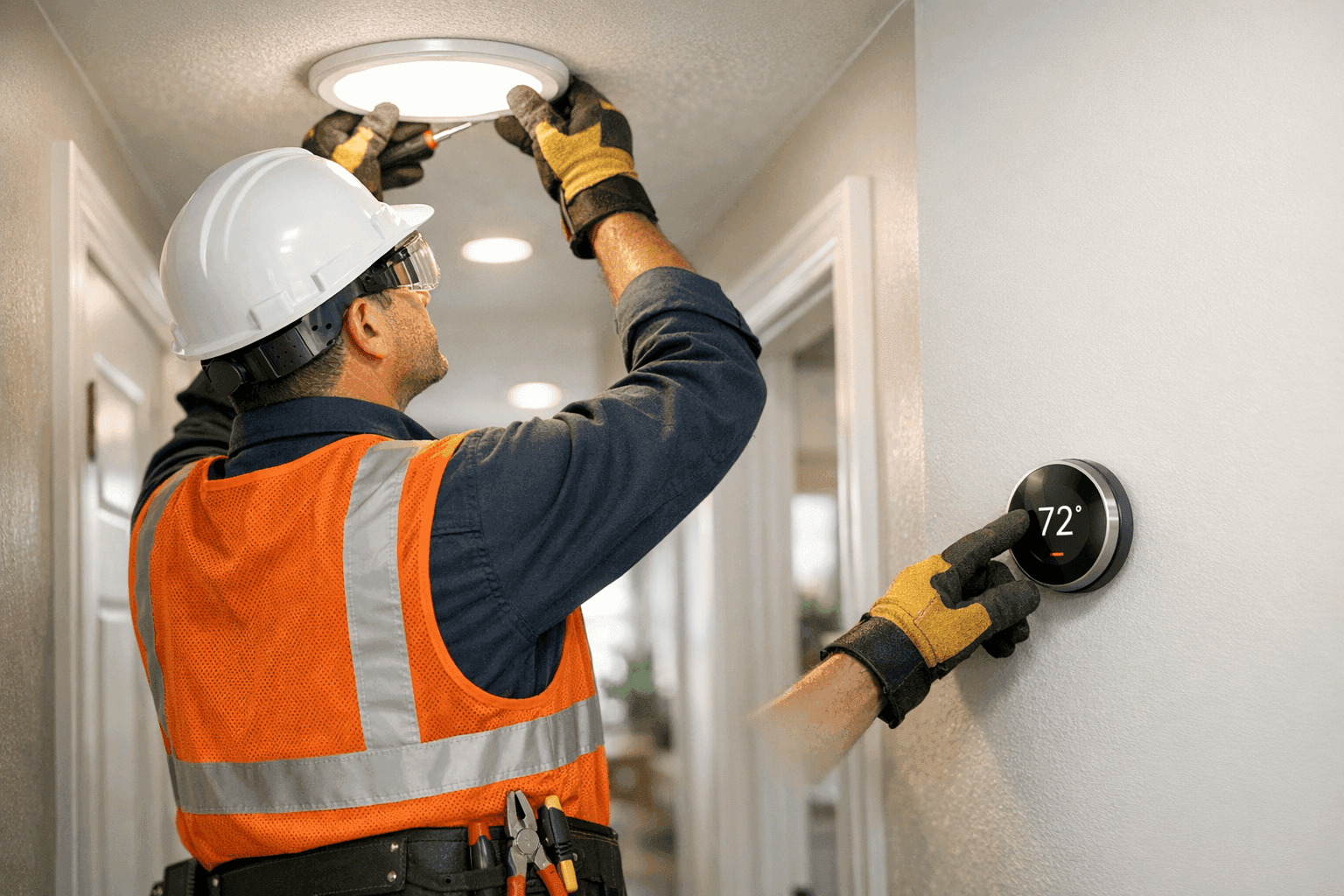
Does your power bill make you wince every month? You’re not alone. The good news: small changes in your home’s electrical system can have a big impact on your energy use—and your wallet. At Lighteq Electric, we’ve helped hundreds of homeowners take smart steps toward a more efficient, comfortable home.
Energy efficiency isn’t just about saving money (though that’s a perk most of us enjoy). It’s about comfort, safety, and doing right by the environment—all while future-proofing your home for new tech and changing needs.
Assessing Your Home’s Energy Use ⚡
Before you start swapping out bulbs or adding gadgets, take a step back. Imagine your home’s energy use as a leaky bucket. Finding the biggest leaks—those energy hogs—is the first step.
- Review Past Bills: Look for patterns and spikes. Heating, cooling, and old appliances are usually the culprits.
- Home Energy Audit: A pro electrician can measure where you’re wasting power. They use special meters to spot hidden drains.
- Check Your Lighting: Incandescent bulbs? Outdated fixtures? These quietly drain energy day and night.
- Inspect Big Appliances: Old fridges, washers, and dryers often run longer and hotter than they should.
A solid assessment gives you a clear roadmap, so your upgrades start where they matter most. According to the U.S. Department of Energy, lighting and appliances can account for nearly 30% of a typical home’s electricity use—worth a second look!
Best Electrical Upgrades for Savings
Want to see real savings? Focus on the upgrades that pack the biggest punch. Here are the most effective places to start:
1. Swap to LED Lighting
LEDs use about 75% less energy than old bulbs and last years longer. The payoff is quick—sometimes in just months. Upgrading fixtures during a Lighting service also means safer, modern wiring.
2. Upgrade Your Panel and Circuits
Older panels can bottleneck efficiency. New panels are safer and handle modern loads (think EV chargers and smart tech). A fresh panel also reduces fire risk and brings you up to current code (see NEC guidelines).
3. High-Efficiency Appliances
That avocado-green fridge from the '80s? It’s probably eating up more energy than your entire lighting system. New ENERGY STAR® appliances are worth the investment. Efficient washers, dryers, and dishwashers all add up.
4. Install Ceiling Fans and Smart Thermostats
Moving air is cheaper than blasting AC. Ceiling fans and programmable thermostats keep you comfortable for less.
5. Check Outlets and Switches
Loose, outdated, or ungrounded outlets are more than an annoyance—they can be an energy leak (and a hazard). Modern, tamper-resistant outlets and smart switches cut waste and boost safety.
For more on upgrading or adding new circuits, see our Installations page.
Smart Controls and Automation
Imagine your home as a conductor, orchestrating every device in perfect harmony. That’s what smart automation can do.
Why Automate?
- Scheduled Lighting: Lights turn off when you leave. No more empty rooms blazing all night.
- Smart Plugs: Control appliances from your phone or voice assistant.
- Sensors: Motion or daylight sensors keep lights on only when needed.
- Energy Monitoring: See what’s running and how much it costs in real time.
Many of these upgrades are eligible for rebates. Plus, they boost your home’s value and make day-to-day life easier.
ROI Considerations: What Pays Off Fastest?
Not every upgrade is created equal. Some pay off in months, others in years. Here’s how to weigh your options:
- LED Lighting: Fastest return. Low upfront cost, noticeable bill drop.
- Smart Thermostats: Quick ROI, especially in homes with older systems.
- Major Appliances: Higher cost, but steady savings over lifespan.
- Panel Upgrades: More about safety and future-proofing, but can add value and reduce insurance premiums.
Look for upgrades that will last at least as long as you plan to stay in your home. Always check for local incentives and rebates—they can tip the scale on bigger investments.
Quick Safety Checklist
Safety comes first. Before any upgrade:
- Shut off power at the panel.
- Use a non-contact voltage tester.
- Never overload circuits.
- Follow National Electrical Code (NEC) standards.
- For anything more complex than changing a bulb, call a licensed electrician.
DIY vs. Call a Pro
Some upgrades—like swapping bulbs or installing smart plugs—are DIY-friendly. But when wiring, panels, or high-voltage systems are involved, save yourself the risk. Even experienced handymen can miss hidden dangers.
A professional electrician brings the right tools, training, and code knowledge. This is especially important for big projects like panel upgrades, surge protection, and whole-home rewiring.
What Pros Do On Arrival
When you hire Lighteq Electric, here’s what you can expect:
- A thorough inspection of your current system.
- Clear, honest assessment of what’s needed (and what isn’t).
- Safe, certified upgrades that meet all local codes.
- Respect for your home—minimal disruption, clean workspace.
Prevention & Maintenance Tips
- Schedule annual electrical safety inspections.
- Test smoke and carbon monoxide detectors monthly.
- Keep panels and outlets clear of dust and debris.
- Replace damaged cords and plugs immediately.
- Upgrade surge protection before the next big storm.
These steps keep your system running safely and efficiently all year.
Costs & Time Factors
Wondering how much to budget? Here’s a rough idea:
- LED fixture replacements: low cost, often done in a day.
- Panel upgrades: higher cost, may require permits, typically 1–2 days.
- Appliance upgrades: cost varies, but install is usually quick.
- Automation: scalable to your needs.
Always ask for an itemized quote. The right electrician can walk you through the process and help prioritize based on your goals.
When It’s an Emergency
If you smell burning, see sparks, or lose power to major systems, call immediately. Electrical emergencies aren’t the time for DIY fixes. Fast response protects your home and family.
FAQ: Common Energy Efficiency Questions
Q: Do smart plugs really save energy?
Yes—especially for devices that draw power even when “off,” like TVs and chargers.
Q: Should I replace all bulbs at once?
Focus on the rooms you use most. Kitchens, living rooms, and exterior lights can have the biggest impact.
Q: How often should I schedule an electrical safety check?
Once a year is a good rule of thumb, or any time you buy new major appliances.
Seasonal Considerations
- Winter: Check weatherproofing on exterior outlets. Upgrade heating controls.
- Summer: Service ceiling fans and AC circuits. Shade outdoor lighting.
- Storm Season: Backup generators and surge protection are must-haves.
Common Mistakes to Avoid
- Ignoring small warning signs (flickering lights, tripped breakers).
- Overloading circuits with too many devices.
- Skipping permits or inspections for major work.
- Choosing the cheapest option—quality pays off in safety and savings.
Signs of Trouble
- Outlets or switches feel warm.
- Frequent breaker trips.
- Lights dim when appliances start.
- Unusual buzzing or popping sounds.
Don’t ignore these. They’re your home’s way of saying, “Help!”
Timeline & Disruption
Most upgrades can be done in a day or two, with little mess. Larger projects may mean a few days of limited power, but a good electrician will keep you informed and minimize hassle.
Materials & Equipment
Choose materials that meet UL listings and NEC codes. Look for ENERGY STAR® on appliances. If in doubt, ask your electrician for recommendations—they’ll know what performs best in real homes.
Ready to Start Your Energy Efficiency Journey?
Small changes today can mean big savings, comfort, and peace of mind tomorrow. Lighteq Electric is here to help you plan and install the right upgrades, from lighting to appliances, panels, automation, and more.
Call Lighteq Electric now — or reach us anytime at 855-552-3493 .