Holiday Electrical Safety: Decorating Without the Hazards
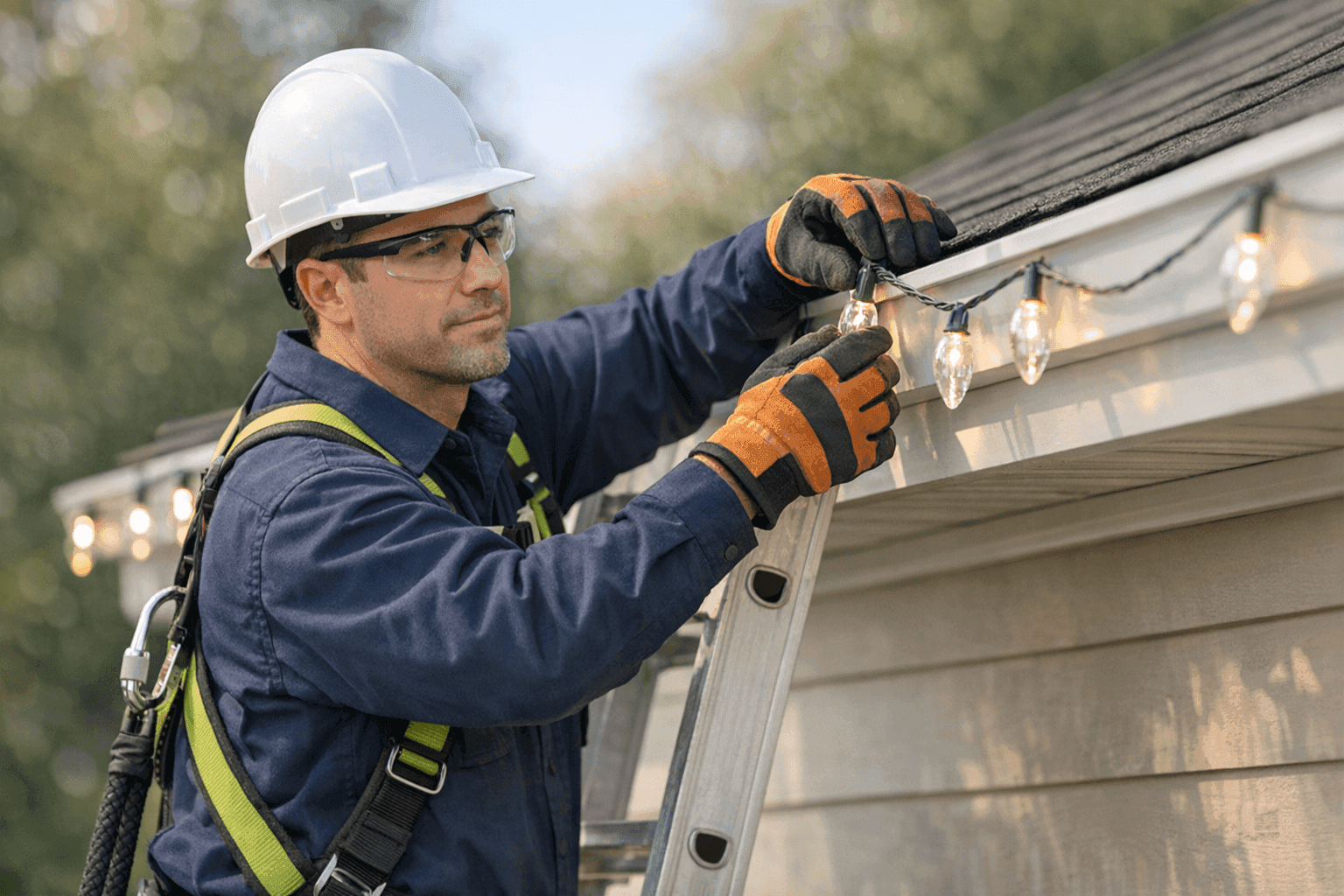
The holidays are a time of warmth, wonder, and sparkling lights. But behind every glowing display is a web of wires and switches that, if ignored, can turn your winter wonderland into a dangerous situation faster than you can say "short circuit." At Lighteq Electric, we combine years of hands-on experience with a deep respect for your family's safety. This season, let’s decorate with confidence—without the hazards.
Too often, festive excitement leads to overloaded outlets, tangled cords, or hasty setups. We see the aftermath every year. The good news? With a few smart habits and the right electrician advice, you can enjoy every twinkle, indoors and out.
Decorating Safely Indoors & Outdoors 🎄
Holiday decorating is about creating joy, not stress. Start with a plan—one that puts safety first.
- Inspect lights and cords: Look for cracked insulation, exposed wires, or broken sockets. If anything feels brittle or looks suspicious, toss it.
- Choose the right lights: Only use lights labeled for indoor or outdoor use as appropriate. Outdoor-rated lights can weather rain and snow; indoor ones can’t.
- Mind your tree: If you have a real tree, keep it watered. Dry trees catch fire as quickly as dry grass. Secure it away from heat sources and confirm your lights aren’t too hot to touch.
- Placement matters: Avoid running cords under rugs or pinching them in doors and windows. This can damage wires and spark fires.
- Check your outlets: If you notice sparks, buzzing, or loose outlets, it’s time for a professional Safety Check.
Safe Use of Extension Cords
Extension cords are like holiday elves—helpful, but not meant to do all the heavy lifting.
- Don’t overload: Each cord has a wattage limit, usually listed on the tag. Add up the wattage of everything plugged in. Don’t exceed 80% of the cord's max rating.
- One cord, one device: Chain-linking (daisy-chaining) cords is a shortcut to danger. Use a single, heavy-duty cord for each major item.
- Indoor vs. outdoor cords: Outdoor cords are built tough. Never use an indoor cord outside.
- Unwind fully: Cords coiled up can overheat, like a sweater on a summer day.
The U.S. Consumer Product Safety Commission (CPSC) reminds us that extension cords are a temporary fix, not a permanent solution. If you need more outlets, consider a professional Outlets & Switches upgrade.
Weatherproofing Tips
Outdoor holiday displays face the full force of winter. Rain, ice, even squirrels. Here’s how to keep the show going:
- GFCI Outlets: Always plug outdoor lights into Ground Fault Circuit Interrupter (GFCI) outlets. These are designed to shut off if moisture or current leaks are detected—essential for safety.
- Weatherproof covers: Even if the outlet is under an awning, use a weatherproof cover. Water and electricity don’t mix.
- Elevate connections: Keep plugs and connectors off the ground and away from puddles. Use stakes or mounting clips to secure cords.
- Seal entry points: Any spot where cords enter your home should be sealed to keep out weather and critters.
Common Hazards & How to Avoid Them ⚡
Holiday hazards lurk in plain sight. Know what to watch for:
- Overloaded circuits: Too many lights on one circuit can trip breakers or melt wires. Divide decorations across multiple circuits.
- Old or damaged lights: Frayed wires and loose bulbs are fire starters. Replace them before you plug in.
- Improper ladder use: Nearly as dangerous as bad wiring. Always use a dry, sturdy ladder and keep metal ladders away from power lines.
- Pets and kids: Keep cords out of reach and secure blinking lights to prevent tugging or chewing.
If you’re ever unsure, pause and call a licensed electrician. Your safety—like your holiday—is worth the investment.
Wattage Limits: Don’t Blow a Fuse
It’s easy to get swept up in the sparkle. But every outlet and cord has its limit.
- Know your numbers: Most household circuits handle 15 or 20 amps (1,800–2,400 watts). Exceeding this can trip breakers or worse.
- Use LED lights: They draw a fraction of the power of older incandescent bulbs, letting you decorate more—safely.
- Check the math: Add up the wattage of all decorations on a circuit. Stay well below the max rating.
For a more in-depth review, the National Fire Protection Association (NFPA) offers detailed guidelines on safe holiday decorating.
GFCI Outlets: Your Outdoor Safety Net
GFCI outlets aren’t just a good idea—they’re required by code for outdoor and wet locations. They sense when electricity flows where it shouldn’t and cut off power in milliseconds.
- Test monthly: Press the “test” button—power should shut off. Hit “reset” to restore. If it doesn’t work, call an electrician.
- Upgrade if needed: Old two-prong or ungrounded outlets should be replaced with GFCIs for modern safety.
Post-Holiday Removal: Safe & Simple
Taking down decorations is more than just packing up. Do it right:
- Unplug first: Always unplug from the outlet before removing lights or cords. Never pull on the cord—grab the plug.
- Coil cords loosely: Avoid sharp bends or kinks that can weaken wires for next year.
- Store in dry, labeled bins: Keep everything safe from moisture and rodents.
A careful takedown means a safer setup next year.
Quick Holiday Electrical Safety Checklist
Before you flip the switch on your holiday display, run through this list:
- Inspect each string of lights for damage
- Confirm cords are rated for intended use
- Use GFCI outlets outdoors
- Keep connections off the ground
- Don’t overload circuits or extension cords
- Water real trees daily
- Secure cords from pets and kids
- Turn off displays before bed or when leaving home
DIY or Call an Electrician?
Some holiday prep you can tackle yourself. But for anything beyond plug-and-play, don’t guess.
- Call a pro if: You need new outlets, circuit upgrades, suspect faulty wiring, or want to add outdoor receptacles.
- Benefits: Licensed electricians ensure everything meets code, works reliably, and keeps your family safe.
If you’re searching for an electrician contractor you can trust, our electrician company is ready for any seasonal challenge.
How Lighteq Electric Handles Holiday Electrical Jobs
When our team arrives, here’s what you can expect:
- Careful inspection of current wiring and outlets
- Code-compliant installations and repairs
- Recommendations for GFCIs, surge protection, and dedicated circuits
- Friendly advice on efficient, safe decorating
No guesswork. No shortcuts. Just safe, beautiful results.
Preventive Maintenance: The Gift That Keeps Giving
A little prevention goes a long way. Annual Safety Checks catch small issues before they become big problems—think of it as an electrical checkup for your home.
- What we look for: Loose outlets, overloaded circuits, outdated panels, signs of overheating, and safe grounding.
- Why it matters: Faults caught early can save money, property, and—most importantly—lives.
Costs & Time: What to Expect
Most holiday safety upgrades—like adding GFCI outlets or replacing old lighting—are quick jobs. Costs vary depending on your home’s age and layout, but the peace of mind is priceless.
- Outlet upgrades: Usually done in a single visit.
- Panel or wiring updates: May take longer, especially in older homes.
We’ll always explain the process and minimize disruption.
When It’s an Emergency
If you see smoke, sparks, or feel a hot outlet, turn off the power at your breaker box and call for emergency electrical service—day or night.
- Common emergencies: Tripped breakers that won’t reset, outlets that spark or smell, loss of power to essential holiday displays.
Lighteq Electric offers 24-hour service for urgent needs.
Common Decorating Mistakes
- Overloading power strips or outlets
- Using indoor lights outside
- Failing to check wattage ratings
- Ignoring signs of wear or damage
- Running cords where people walk (trip hazard!)
Avoid these, and you’re well on your way to a safe, cheerful season.
Signs of Electrical Trouble
- Flickering or dimming lights
- Outlets that feel hot
- Buzzing sounds from switches or fixtures
- Circuit breakers that trip repeatedly
See any of these? Press pause on the decorating and call in a qualified electrician.
Materials & Equipment: Choose Wisely
- UL-listed products: Always use lights, cords, and power strips with a UL (Underwriters Laboratories) label.
- Heavy-duty extension cords: For outdoor use, choose cords rated for your climate.
- Surge protectors: A sudden spike can fry festive electronics—protect your investment.
FAQ: Holiday Electrical Safety
Q: Can I plug my inflatable snowman and lights into the same outlet?
A: Only if their combined wattage is within the outlet’s and circuit’s rating. Check the labels.
Q: Do I really need GFCIs outside?
A: Yes—by code and for safety. They can prevent shocks and fire.
Q: Are LED holiday lights worth it?
A: Absolutely. They use less power, run cooler, and last longer.
Seasonal Considerations: Weather and Wiring
Winter brings unique challenges. Moisture, freezing temps, and ice can all stress your electrical system.
- Inspect after storms: Heavy winds or ice can damage wires or fixtures.
- Protect connections: Use weatherproof covers and keep everything dry.
If you’re planning a major outdoor display or need Pool & Spa Electrical near you, consult a licensed electrician before you start.
Decorating for the holidays should be magical—not risky. With a little knowledge and the right support, your home can shine safely all season long.
Call Lighteq Electric now — or reach us anytime at 855-552-3493 .