Home Electrical Safety Checklist: Essential Steps for Peace of Mind
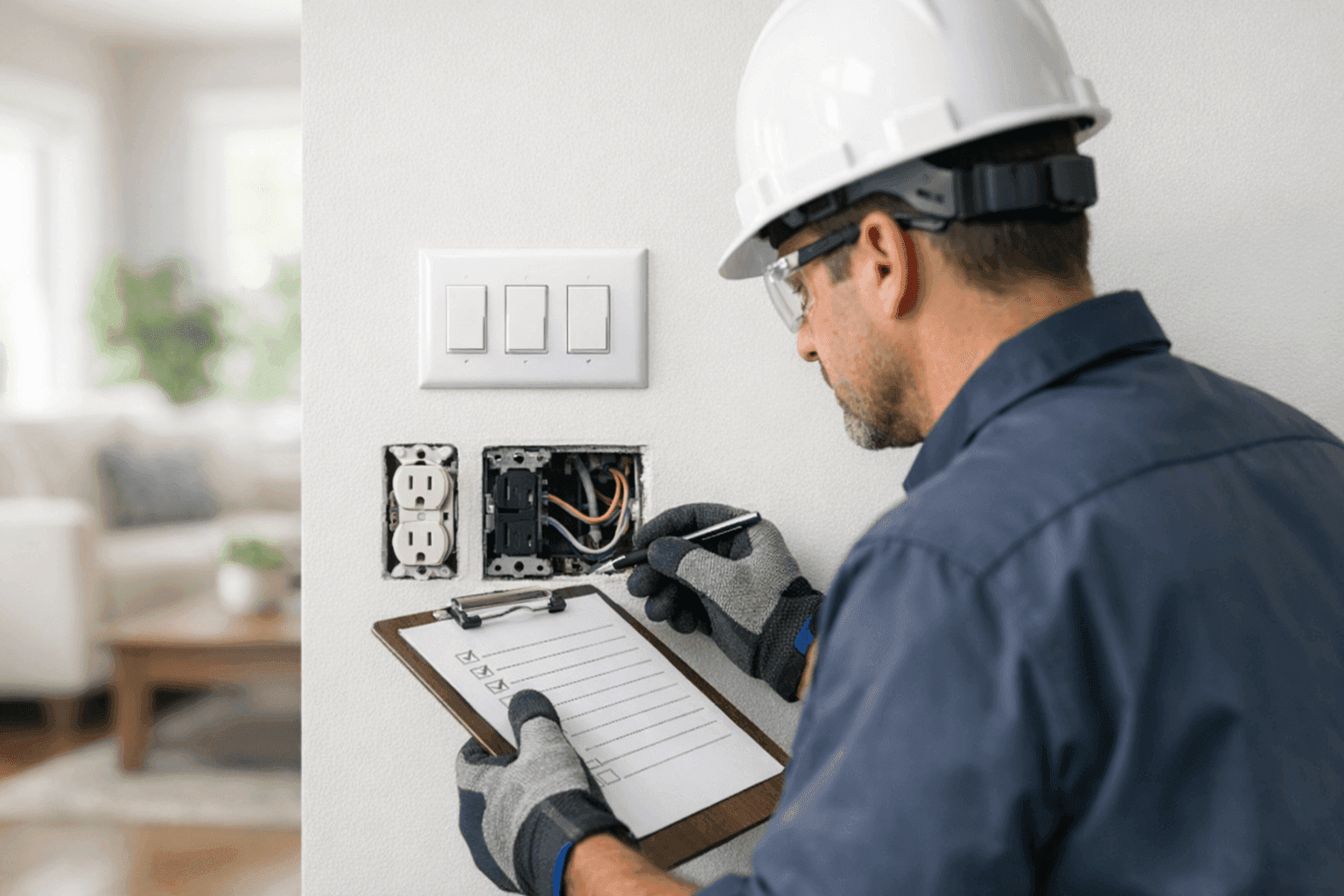
Do you ever wonder about the hidden dangers behind your walls? Most homeowners don’t think about electricity—until there’s a sudden flicker, a tripped breaker, or the smell of something burning. The truth is, electrical safety isn’t just for older homes or fixer-uppers. Every home is a mix of wires, outlets, and devices that need regular checkups.
At Lighteq Electric, we believe peace of mind starts with knowledge and a few simple steps. If you’re ready to take control of your home’s safety, this checklist is your roadmap.
Why Electrical Safety Matters ⚡
Electricity is silent, powerful, and unforgiving. It keeps our homes running, but even small mistakes can lead to shocks, fires, or worse. According to the National Fire Protection Association (NFPA), electrical failures or malfunctions are a leading cause of home fires in the U.S. That’s why regular safety checks aren’t just helpful—they’re necessary.
Beyond safety, staying on top of your electrical system keeps your appliances running longer and your family more comfortable. Whether you’re a parent, pet owner, or just want to protect your investment, electrical safety should be at the top of your to-do list.
The Quick Visual Safety Checklist
You don’t need a toolbox or a degree to spot many electrical hazards. Take a slow walk through your home and look for:
- Frayed cords or exposed wires
- Discolored outlets or switches (brown, black, or melted spots)
- Loose outlets or wall plates
- Switches or outlets that feel warm to the touch
- Frequent tripped breakers or blown fuses
- Buzzing, sizzling, or crackling sounds from outlets or panels
If you notice any of these, stop using the affected circuit or device and call a licensed electrician. Don’t ignore the warning signs.
Room-by-Room Electrical Safety Checklist
Every room tells its own story. Here’s what to watch for in each space:
Kitchen
- Keep countertop appliances away from water sources.
- Use GFCI (Ground Fault Circuit Interrupter) outlets near sinks—these cut power instantly if there’s a ground fault.
- Unplug appliances when not in use.
- Avoid overloading outlets with multiple high-wattage appliances.
Living Room
- Inspect extension cords—never run them under rugs or furniture.
- Make sure outlets aren’t overloaded with power strips.
- Test smoke detectors monthly and replace batteries twice a year.
- Keep cords out of pathways to prevent trips and falls.
Bedrooms
- Use tamper-resistant (childproof) outlets if you have young kids.
- Avoid running charging cords under pillows or bedding.
- Keep space heaters at least three feet away from anything flammable.
- Check for flickering lights—could be a loose connection.
Bathroom
- Only use GFCI outlets.
- Keep electrical devices away from water.
- Make sure exhaust fans are clean and working.
Garage & Basement
- Store flammable materials away from electrical panels or outlets.
- Check for moisture or water leaks near outlets.
- Ensure all outlets and switches are grounded.
- Inspect electric garage door opener wiring for wear.
Outdoors & Pool/Spa
- Use weather-resistant outlets and covers.
- Pool & Spa Electrical near you should always have GFCI protection.
- Never use extension cords for permanent outdoor wiring.
- Check for exposed or damaged wiring from weather or animals.
The Power of GFCI and AFCI Protection
GFCI outlets are a must in all wet or damp areas—bathrooms, kitchens, laundry rooms, garages, exteriors. They protect you from electrical shock by cutting power instantly if there’s a problem.
AFCI (Arc Fault Circuit Interrupter) breakers are just as important. These detect dangerous arc faults (tiny sparks that can lead to fires) in wiring and shut things down before trouble starts. The National Electrical Code (NEC) recommends AFCIs in bedrooms, living rooms, and more.
If your home is older, have an electrician check for these protections—and add them if needed.
Mind the Overload: Outlets, Power Strips & Extension Cords
A single outlet isn’t meant to power your entire entertainment center. Overloaded outlets can overheat and start fires before you notice a thing. Here’s how to avoid trouble:
- Plug major appliances directly into wall outlets—avoid extension cords.
- Use power strips with built-in surge protection.
- Limit the number of high-wattage devices per outlet.
- If you need more outlets, have a licensed electrician install them safely.
Appliance Safety: Small Steps, Big Impact
Appliances make life easier, but only if used safely. Follow these tips:
- Always unplug appliances before cleaning or repairing.
- Replace damaged cords immediately.
- Never yank cords from the wall—grasp the plug.
- Keep all appliances away from sinks, tubs, and pools.
- For larger appliances, schedule routine maintenance.
Childproofing Your Home’s Electrical System
Children are naturally curious—especially about things that light up or buzz. Make your home safer for little ones:
- Install tamper-resistant outlets in all living spaces.
- Use outlet covers or safety plugs.
- Hide or secure loose cords.
- Teach children never to touch outlets, cords, or appliances with wet hands.
Smoke & Carbon Monoxide Detectors: Non-Negotiable
Smoke and carbon monoxide (CO) detectors are your first line of defense. Test them monthly. Replace batteries twice a year (set a reminder for daylight saving time). Replace the entire unit every 7–10 years, or as recommended by the manufacturer.
Don’t forget detectors in basements, bedrooms, and hallways. If you have gas appliances or attached garages, CO detectors are a must.
When to Call a Professional
DIY checks are important, but some issues are too risky for homeowners. Call a licensed electrician if you notice:
- Repeated circuit breaker trips or blown fuses
- Burning smells or unusual noises from outlets, switches, or panels
- Outlets or switches that spark when you plug or unplug devices
- Flickering lights throughout the house
- Warm or discolored outlets and switches
- Electrical shocks, even mild, from switches or appliances
Electrical work is governed by strict codes for a reason—protect yourself and your property. For Electrical Safety Inspections or urgent help, don’t delay.
Professional Electrical Safety Inspections: What to Expect
A certified inspection goes deeper than any DIY checklist. Your electrician will:
- Test all outlets, switches, and fixtures for proper operation
- Check for GFCI and AFCI protection where required
- Inspect your main panel, breakers, and wiring for signs of wear or code violations
- Assess grounding and bonding systems
- Review smoke/CO detector placement and operation
At Lighteq Electric, our inspections are thorough and based on current National Electrical Code (NEC) standards. Regular inspections can catch small problems before they become emergencies. Learn more about our electrical safety inspections.
Maintenance Tips for Ongoing Peace of Mind 🛠️
- Test GFCI and AFCI outlets monthly (they have a test/reset button)
- Replace any outlet or switch that feels warm, loose, or makes noise
- Schedule a professional inspection every 3–5 years, or after major renovations
- Keep panel area clear of storage or debris
- Label your breaker panel for quick shutoff in an emergency
- Trim trees and shrubs away from outdoor electrical lines
For seasonal safety, check outdoor outlets and lighting before winter and after heavy storms. Always keep emergency numbers handy.
Common Mistakes to Avoid
- Ignoring warning signs or “just living with it”
- Using the wrong wattage bulbs in fixtures
- Running cords under carpets or doors
- Using damaged extension cords or power strips
- Attempting DIY repairs on major electrical systems
When in doubt, it’s safer—and often less expensive in the long run—to call a licensed electrician.
Emergency Situations: Act Fast
If you smell burning, see smoke, or sparks, or lose power unexpectedly:
- Shut off the main breaker if safe to do so.
- Leave the home if you suspect fire or carbon monoxide.
- Call 911 for emergencies—then call an electrician.
Don’t attempt to “wait it out” or fix it yourself. Time saved is not worth the risk.
How Lighteq Electric Can Help
From routine safety checks and residential services to emergency repairs, Lighteq Electric is here 24/7. Our certified electricians handle everything from smoke detector installation to Pool & Spa Electrical near you, wiring upgrades, and more.
We follow all NEC guidelines and local codes, so you can relax knowing your home is in good hands.
Final Thoughts: Invest in Safety
Electrical safety is not a one-time project. It’s a routine—like changing your oil or checking your smoke detectors. It protects your loved ones, your investment, and your peace of mind.
Don’t leave safety to chance. If you have questions, want an inspection, or need urgent repairs, reach out to Lighteq Electric today.
Call Lighteq Electric now — or reach us anytime at 855-552-3493 .