Home Electrical System Safety: A Complete Guide for New Homeowners
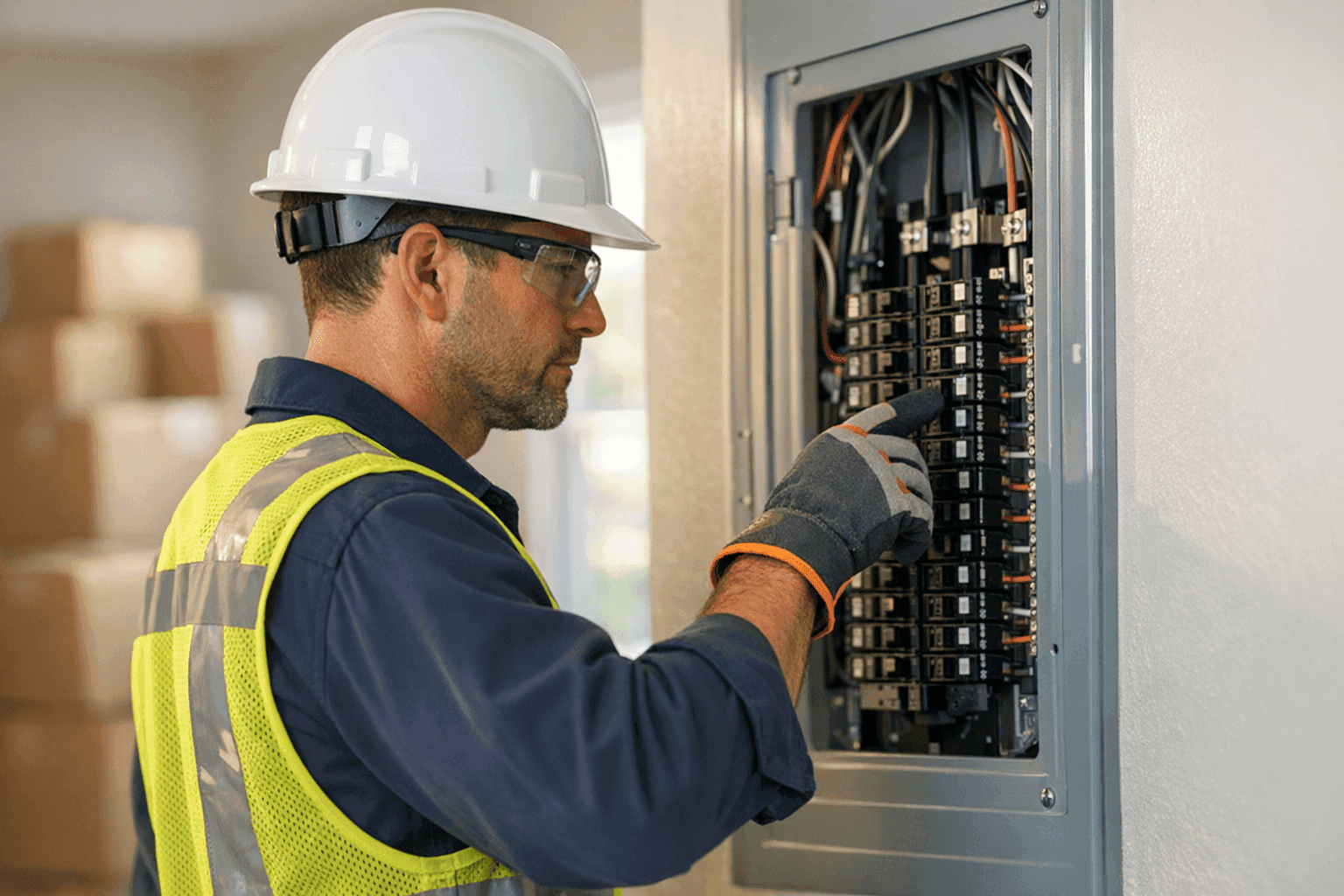
Moving into a new home is a moment you’ll never forget. Along with excitement comes responsibility—especially when it comes to your electrical system. At Lighteq Electric, our certified inspectors have helped countless homeowners stay ahead of hidden electrical dangers.
A few simple checks can make the difference between a safe, comfortable home and one with hidden risks. That’s why this guide is for you: the new homeowner who wants to sleep soundly every night.
Safety Check Before You Move In 🔎
Before you unpack a single box, take a walk through your home with an observant eye. Electrical issues can hide in plain sight, and a quick look now can save headaches later.
- Are outlets warm or discolored? This could mean overloaded circuits or faulty wiring.
- Do light switches or fixtures flicker? It’s not just annoying—it’s a red flag.
- Any buzzing or crackling from panels or outlets? Sound is often the first sign of trouble.
- Check for GFCI outlets in kitchens, bathrooms, laundry rooms, and garages. These should “trip” safely when tested.
- Look for missing or damaged cover plates on outlets and switches.
For peace of mind, schedule a professional electrical safety inspection before move-in. This is your best line of defense.
Top Hazards to Watch For
Even in newer homes, electrical hazards can lurk. Here’s what to keep on your radar:
- Outdated wiring (like knob and tube or aluminum) is a relic of another era—modern appliances can overload it.
- Overloaded outlets—especially with extension cords and power strips—strain your system.
- Panels with known issues (like Federal Pacific or Zinsco) can be fire risks.
- Moisture near outlets or panels is never good. Water and electricity are a dangerous mix.
- DIY repairs from previous owners—improperly spliced wires or overloaded circuits—are common in older homes.
Refer to the National Electrical Code (NEC) and the U.S. Consumer Product Safety Commission for up-to-date safety guidelines.
Maintenance Tips for New Owners
Think of your electrical system like the engine of your home. Regular, small checkups keep it running smoothly.
- Test smoke and carbon monoxide detectors monthly and change batteries twice a year.
- Reset and test GFCI outlets every three months.
- Schedule an annual safety check with a licensed electrician, especially if you add new appliances.
- Replace any frayed cords or damaged plugs the moment you notice them.
A little prevention now spares you costly repairs later. See our residential services for regular maintenance options.
When to Call a Pro
Some problems are best left to a certified electrician. Don’t risk your safety—call if you notice:
- Repeated breaker trips or blown fuses
- Burning smells or scorch marks near outlets
- Persistent flickering or dimming lights
- Shocks, even mild, from switches or appliances
- Any sign of sparking
A professional can diagnose and fix issues quickly, reducing your risk of fire or damage.
DIY or Not? Knowing Your Limits
Changing a lightbulb or resetting a tripped breaker is fine for most. But rewiring, panel work, or anything involving high-voltage circuits belongs in the hands of a trained electrician. The risks are too great—one mistake can lead to serious injury or costly repairs.
What Pros Do On Arrival
When you call Lighteq Electric, here’s what to expect:
- Thorough visual inspection of outlets, switches, and panels.
- Testing of safety devices like GFCIs and smoke detectors.
- Load assessment to check if your circuits are overburdened.
- Wiring checks for age, wear, and code compliance.
- Clear, honest recommendations on repairs, upgrades, and ongoing maintenance.
Our team uses up-to-date testing equipment, following NEC and local codes.
Prevention & Maintenance: Your Yearly Checklist
- Inspect visible wiring for fraying or rodent damage.
- Ensure extension cords aren’t permanent solutions.
- Test all safety devices.
- Schedule a yearly inspection.
- Update outlets to tamper-resistant types if you have children.
Regular upkeep keeps your system strong and your family safe.
Costs & Time Factors
Electrical safety doesn’t have to break the bank. Inspections and minor fixes are affordable and pay off in peace of mind. Major upgrades—like panel replacements or whole-house rewiring—take more time and investment, but are often necessary for older homes.
Expect a basic inspection to take 1–2 hours. More complex repairs or rewiring may require a day or more, but the disruption is temporary—and worth it.
When It’s an Emergency 🚨
Don’t wait if you see:
- Smoke, fire, or sparks coming from outlets or panels.
- Power loss to critical systems (medical devices, refrigerators).
- Water leaks near any electrical equipment.
Turn off the main breaker if safe, exit the home, and call emergency services. Then reach out to Lighteq Electric for urgent repairs.
FAQ: New Home Electrical Questions
Q: How often should I have my home inspected?
A: At least once every five years—or whenever you move into a new home.
Q: Are all circuit breakers the same?
A: No—some panels have known safety issues. Ask your electrician which panel you have.
Q: Can I install outlets or lights myself?
A: It’s best to leave new wiring to the pros. Swapping fixtures is OK if you know how to do it safely.
Q: What’s the safest outlet for bathrooms?
A: GFCI outlets are required by code.
Seasonal Considerations
- Spring: Check outdoor outlets and lighting for weather damage.
- Summer: Inspect pool and spa wiring before use. Search “Pool & Spa Electrical near you” for seasonal advice.
- Fall: Test all detectors before heating season.
- Winter: Avoid overloading circuits with space heaters and holiday lights.
Common Mistakes to Avoid
- Overloading power strips.
- Running extension cords under carpets.
- Ignoring flickering lights or buzzing sounds.
- Skipping regular safety checks.
A little caution goes a long way toward a safe, comfortable home.
Signs of Trouble: Don’t Ignore These
- Lights dimming when appliances turn on.
- Outlets that are loose or won’t hold plugs.
- Circuit breakers that trip for no clear reason.
- Any burning smell—no matter how faint.
If you see these, call a licensed electrician right away.
Timeline & Disruption: What to Expect
Most inspections and safety checks are quick and minimally disruptive. Larger projects—like rewiring or panel upgrades—may involve brief power shutoffs and a bit of dust, but your Lighteq Electric team will keep things tidy and explain every step.
Materials and Equipment: What Pros Use
Certified electricians work with:
- Insulated tools
- Voltage testers
- Ground fault circuit interrupters (GFCI) and arc fault circuit interrupters (AFCI)
- Up-to-code wiring and panels
We always replace outdated or unsafe materials with code-compliant products.
For Decatur Homeowners
If you're settling in the area, our Residential Services are available for a wide range of needs. We’re proud to serve new residents looking for a reliable electrician.
A safe home starts with smart choices and the right team. Don’t wait for a close call—schedule your safety check today.
Call Lighteq Electric now — or reach us anytime at 855-552-3493 .