The Homeowner’s Guide to Electrical System Certificates and Compliance
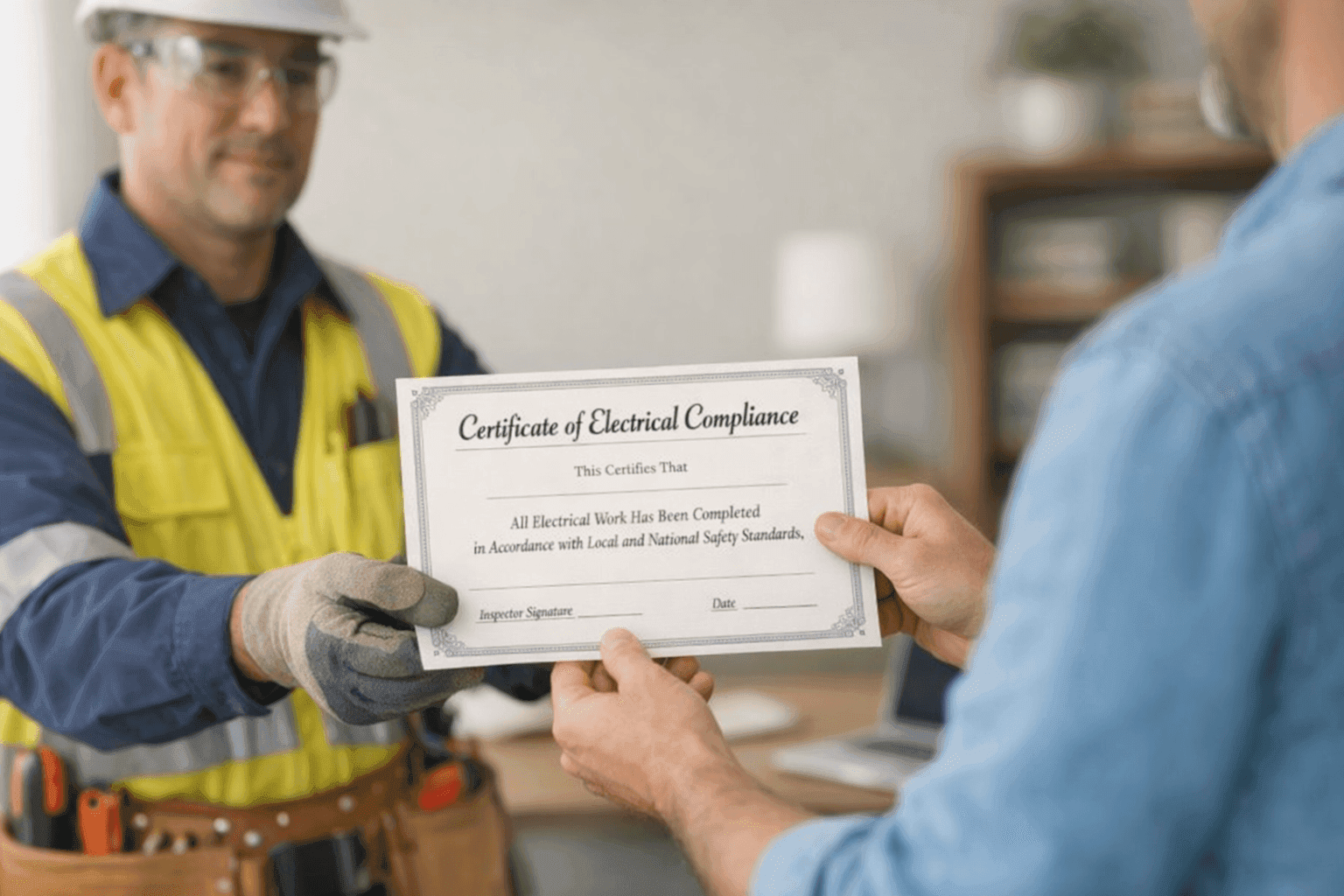
When it comes to the electrical system in your home, paperwork can be just as important as wiring. No one wants a shock—figuratively or literally—when it’s time to sell, renovate, or insure a property. For many homeowners, electrical certificates and compliance checks seem confusing. At Lighteq Electric, we help you understand what you need, why it matters, and how to step through every stage with confidence.
Let’s break down the basics, clear up common myths, and give you the tools to keep your home—and paperwork—safe and current.
What Is an Electrical Certificate? 📜
Picture an electrical certificate as your home’s report card. It’s an official document, signed by a licensed electrician, that proves your electrical work meets required safety standards and local codes. These certificates are not just formalities—they’re legal proof that your system is safe, reliable, and ready for use.
Electrical certificates come in different forms:
- Certificate of Compliance: Verifies that new installations or major work follow safety regulations.
- Electrical Safety Certificate: Confirms your home’s existing wiring and systems are functioning correctly.
- Minor Works Certificate: For smaller changes, like adding an outlet or replacing a light fixture.
These documents are often required for insurance, property sales, and renovations. Without one, you risk delays, fines, or worse—unseen hazards lurking behind your walls.
When Certificates Are Needed
It’s not just big renovations that trigger the need for an official sign-off. Here are common situations where you’ll need an electrical certificate:
- Buying or selling a home: Real estate agents and buyers often request proof that the electrical system is safe and up to code.
- Major renovations: Adding a room, finishing a basement, or remodeling a kitchen? You’ll need certificates for new wiring or circuits.
- Installing Pool & Spa Electrical near you: Water and electricity are a risky mix—certification is a must.
- Insurance requirements: Many insurers want current certificates before issuing a policy.
- Rental properties: Landlords are often required by law to provide up-to-date certificates for tenants.
- After electrical fires or faults: Repairs must be certified to ensure safety.
If you’re unsure, it’s safer to ask. An experienced electrician can clarify exactly what’s needed for your project and location.
How to Get an Electrical Certificate
Think of this process like getting a car inspected—there’s a clear path to follow. Here’s how it works:
- Book an Inspection: Contact a licensed electrician. At Lighteq Electric, we handle everything from certificates to full electrical safety inspections.
- Site Visit: The electrician will inspect your wiring, panels, outlets, and safety systems. This can take anywhere from an hour to a full day, depending on the size and complexity of the job.
- Testing: Tools like voltage meters, insulation testers, and circuit analyzers are used to check for hidden dangers.
- Paperwork: If everything’s up to code, you’ll receive a signed certificate. If not, you’ll get a list of what needs fixing.
- Repairs (if needed): Any issues must be corrected before you can get your certificate.
- Final Sign-Off: Once repairs are done, the electrician returns for a final check and issues the certificate.
Keep your certificate in a safe place—it’s as important as your home’s title deed or insurance policy.
Common Compliance Issues 🚩
Many homeowners are surprised by what can cause a failed inspection. Here are some of the most common trouble spots:
- Outdated wiring: Old knob-and-tube or aluminum wiring can’t handle today’s electrical loads.
- Overloaded circuits: Too many appliances on one breaker? That’s a code violation—and a fire risk.
- Improper ground connections: Grounding keeps you safe from electric shocks. It must be done right.
- Missing GFCI outlets: Especially near water sources (kitchens, bathrooms, outdoors).
- DIY fixes: Well-meaning attempts often fall short of code.
- No smoke or carbon monoxide detectors: Modern codes require these lifesavers.
Following standards like the National Electrical Code (NEC) is key. Your electrician will reference these rules during any safety checks.
Quick Safety Checklist for Homeowners
Before the electrician arrives, you can do a quick visual sweep. Here’s a homeowner’s cheat sheet:
- Are outlets and switches securely mounted?
- Any buzzing, sparking, or flickering lights?
- Are extension cords being used as permanent wiring?
- Is your breaker panel labeled and accessible?
- Do you have working smoke and carbon monoxide detectors?
If you spot issues, mention them during your inspection.
DIY vs. Call a Pro
It’s tempting to try electrical work yourself. But even small mistakes can have big consequences. The right tools, training, and up-to-date knowledge separate a safe system from a risky one. For anything beyond changing a light bulb, it’s time to call a professional.
Licensed electricians are required to stay current with code changes and safety best practices. They use specialized equipment to test hidden parts of your system that aren’t visible to the naked eye.
What Happens During an Inspection?
Expect your electrician to check:
- The main service panel and breakers
- All outlets, switches, and fixtures
- Wiring in attics, crawlspaces, and exterior walls
- Grounding and bonding systems
- Smoke and CO detectors
- GFCI and AFCI protection
The goal isn’t to find fault—it’s to give you peace of mind that everything’s safe and legal.
Prevention & Maintenance Tips
Staying on top of electrical safety isn’t just about passing an inspection. It’s about protecting your family and investment. Here’s how:
- Schedule regular safety checks every few years, especially in older homes.
- Upgrade panels or breakers if you’re adding new appliances or renovating.
- Replace worn outlets and switches promptly.
- Don’t ignore tripped breakers or flickering lights.
- Consider surge protection to safeguard electronics.
Routine maintenance is like brushing your teeth—it’s a small step that prevents major headaches down the road.
Costs & Time Factors 💡
How much will a certificate or inspection cost? The answer depends on your home’s age, size, and the complexity of your system. Simple inspections might take an hour and cost less than a fancy dinner out. Large homes or complicated issues take longer and require more work.
The most expensive scenario is waiting until something goes wrong. Emergency repairs and rushed certifications are always pricier.
When It’s an Emergency
If you smell burning, see smoke, or lose power in half your home, don’t wait. These are signs of a serious electrical fault. Shut off your main breaker (if safe to do so) and call for emergency service. Certificates can wait until repairs are done—but your safety can’t.
Seasonal Considerations
Storms, heavy rains, and extreme temperatures put extra strain on your electrical system. After severe weather, check for visible damage and schedule an inspection if breakers trip or lights flicker.
Adding outdoor outlets, pool equipment, or holiday lighting? Make sure you get properly certified work before enjoying your improvements.
Common Mistakes to Avoid
- Skipping inspections after renovations
- Using unlicensed electricians or DIY fixes
- Forgetting to update smoke and CO detectors regularly
- Misplacing your certificates—keep digital and paper copies!
Signs of Trouble in Your Electrical System
Don’t ignore the warning signs:
- Frequent breaker trips
- Burning smells from outlets
- Warm or discolored switches
- Lights that dim when appliances run
If you notice any of these, schedule a professional check-up right away.
Timeline & Disruption: What to Expect
Most inspections are quick and non-invasive. You might need to provide access to attics, basements, or locked panels. For larger jobs, plan for a few hours with some circuits temporarily shut off.
The paperwork itself is fast—once everything passes, you’ll receive your certificate on the spot or within a day.
Materials & Equipment Used
Professional electricians use more than a flashlight and screwdriver. Expect tools like:
- Voltage testers
- Insulation resistance meters
- Circuit analyzers
- Specialized code checklists
This equipment finds issues you can’t see or hear, making sure your certificate means real safety.
Why Compliance Matters for Homeowners
Electrical certificates aren’t just for show. They protect your investment, your family, and your peace of mind. When it’s time to move, renovate, or insure your home, having the right paperwork makes everything smoother.
Looking for certified electrician services can take the guesswork out of compliance and keep you on the right side of the law.
Frequently Asked Questions
Q: How often do I need a new certificate?
A: Typically, certificates are needed after new installations or major work. It’s smart to schedule a safety inspection every 3-5 years, especially for older homes.
Q: What happens if I lose my certificate?
A: Contact the electrician who performed the work—they can often provide a copy.
Q: Can I sell my home without a certificate?
A: In most cases, no. Buyers, lenders, and insurers will usually require proof of compliance.
Staying safe, legal, and stress-free shouldn’t be a guessing game. For clear answers, certified documentation, and reliable service, Call Lighteq Electric now — or reach us anytime at 855-552-3493 .