The Homeowner’s Guide to Outlets and Switches
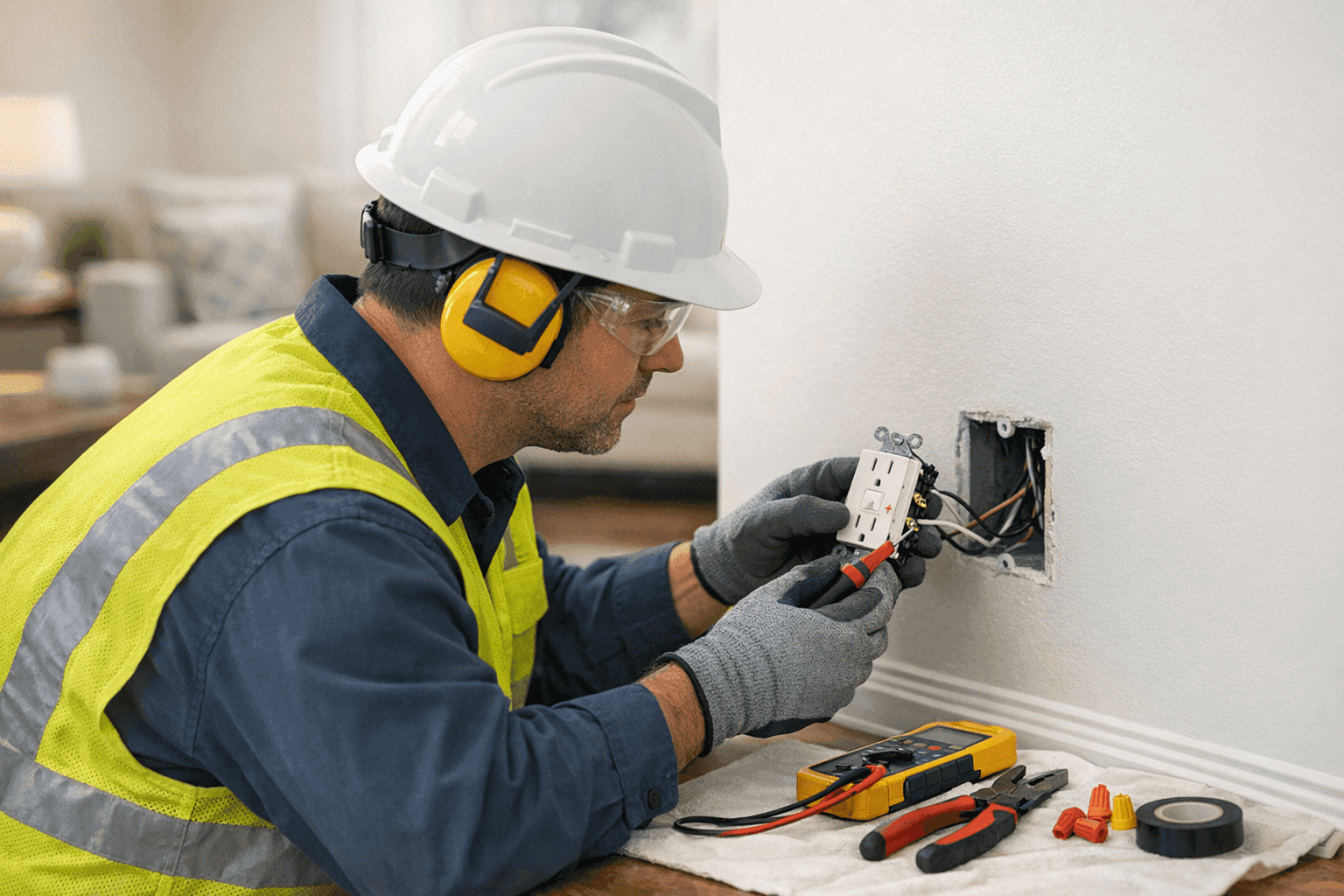
Owning a home means paying attention to the small things that keep your family safe. Outlets and switches are everywhere—often ignored until something goes wrong. Yet, they are the gateways for every device, light, and appliance you use.
At Lighteq Electric, we've seen what can happen when electrical hardware is neglected or outdated. Fires, shocks, and costly repairs. With a few practical steps, you can avoid those risks and keep your home running smoothly.
Types of Outlets and Switches: What’s in Your Walls? ⚡
You flip a switch or plug in your phone without a second thought. But not all outlets and switches are created equal. Each serves a purpose—some offer extra safety, others support high-powered devices. Here’s a quick rundown:
- Standard Outlets: The classic two- or three-prong outlets found in most rooms.
- GFCI Outlets (Ground Fault Circuit Interrupter): Required in kitchens, bathrooms, and outdoor areas. They cut power instantly if something’s amiss—think of them as lifeguards for your wiring.
- AFCI Outlets (Arc Fault Circuit Interrupter): These sense dangerous arcs (think sparks behind the wall) and shut off power to prevent fires.
- USB Outlets: Combine charging and plugging in—no bulky adapters necessary.
- Smart Switches & Dimmers: Control lights or fans from your phone, or set schedules for convenience and energy savings.
- Tamper-Resistant Outlets: Safer for homes with children, with built-in barriers to stop foreign objects.
If your home is older, you might still have two-prong or ungrounded outlets. These are not just outdated—they’re dangerous.
Why Upgrading Matters: Safety, Efficiency, and Peace of Mind
Outlets and switches age just like anything else. The metal inside wears down. Plastic cracks. Connections loosen. Old or worn-out outlets can overheat, spark, or even catch fire. According to the National Fire Protection Association, electrical failures are a leading cause of house fires.
Upgrading isn’t just about convenience. It’s about protecting your home and everyone in it. New outlets and switches meet today’s safety codes and offer features that older hardware simply can’t.
Safety Upgrades: GFCI and AFCI Explained
GFCI: The Home’s Electrical Lifeguard
GFCIs are now required by code in places where water and electricity mix—kitchens, bathrooms, garages, outdoors, and laundry rooms. They monitor the current flowing in a circuit and trip instantly if there’s a ground fault. This can stop electrocution in its tracks.
How to spot one: They have “Test” and “Reset” buttons. If you don’t see those in the right places, it’s time for an upgrade.
AFCI: Invisible Protection
AFCIs are newer, but just as crucial. They sense arcing—tiny sparks that happen when wires are loose or damaged inside your walls. One arc can start a fire. AFCIs cut the power before that can happen.
Tip: Bedrooms, living rooms, and hallways benefit from AFCI outlets and breakers.
How to Spot Issues With Outlets and Switches
Not sure if something’s wrong? Look for these warning signs:
- Outlets or switches that feel warm or hot to the touch
- Flickering lights or buzzing sounds
- Plugs fall out easily (loose contacts)
- Burn marks, discoloration, or cracking around outlets
- A faint burning smell in the room
- Outlets that spark when you plug in a device
If you see any of these, stop using the outlet or switch immediately. Unplug anything connected, and call an electrician.
The Hidden Dangers of Loose or Damaged Outlets
A loose outlet is more than an annoyance. Behind the wall, wires can wiggle free and create a dangerous arc. That arc is like a tiny bolt of lightning. It can burn insulation, melt plastic, or even ignite wood.
Cracked faceplates or exposed wiring are open invitations for dust, pet hair, or curious fingers—especially dangerous for kids and pets.
DIY vs. Professional Replacement: What’s Safe?
It might be tempting to swap out an outlet yourself. Some jobs, like changing a faceplate, are simple. But when it comes to wiring, safety isn’t just about turning off a breaker.
Consider:
- Are you sure the power’s off—everywhere?
- Are you familiar with local electrical codes?
- Do you know how to check for grounding and circuit load?
A professional electrician has the training (and the right tools) to handle hidden problems, ensure the work meets code, and certify the installation. The difference? Peace of mind.
When DIY Is Okay
- Swapping a plastic faceplate (with the power off)
- Tightening loose screws on a switch or outlet cover
When to Call a Pro
- Replacing or moving outlets and switches
- Upgrading to GFCI or AFCI outlets
- Noticing signs of heat, sparks, or buzzing
- Outlets with two prongs (no ground)
- Installing outlets for major appliances or EV chargers
For certified outlets and switches upgrades, it’s always best to let a qualified electrician handle the wiring.
What Happens During a Professional Installation?
When a Lighteq Electric technician arrives, here’s what you can expect:
- Assessment: We check for code compliance, evaluate the wiring, and spot potential hazards.
- Testing: We use specialized meters to confirm circuits are safe to work on.
- Replacement or Upgrade: We install the new outlet or switch, ensuring tight, secure connections.
- Safety Check: We test the outlet or switch, reset breakers if needed, and make sure everything is up to code.
- Clean Up: No mess left behind.
Our work is always done to current code standards, and we provide documentation when required (especially important for insurance or home sales).
How Often Should Outlets and Switches Be Checked? 🛡️
Like smoke alarms, outlets and switches benefit from regular checks. Once a year is a good rule of thumb, especially before major holidays or if your home is over 20 years old.
During an annual safety check, an electrician will:
- Inspect for wear and tear
- Test GFCI and AFCI function
- Check for loose wires or outlets
- Ensure outlets are properly grounded
- Advise if upgrades or repairs are needed
Seasonal Considerations: When to Pay Extra Attention
Some times of year put extra pressure on your electrical system:
- Winter: Space heaters, holiday lights, and more hours of darkness mean extra load.
- Summer: Pool & Spa Electrical near you becomes important—outdoor outlets take a beating from rain and sun.
- Storm Season: Surges can damage outlets and switches. Consider surge protection upgrades.
Before plugging in new decorations or backyard gear, give your outlets a quick once-over.
Common Mistakes Homeowners Make
- Using “cheater” adapters to fit three-prong plugs into two-prong outlets—never safe.
- Overloading outlets with extension cords or power strips.
- Ignoring loose outlets, thinking “it’s just a little wiggle.”
- Painting over outlets and switches, which can trap heat and hide damage.
- Skipping GFCI and AFCI upgrades in older homes.
Cost and Disruption: What to Expect
Replacing a basic outlet or switch is a quick job for a professional—often under an hour per device. Upgrading to GFCI, AFCI, or smart outlets takes a bit longer, especially if wiring needs updating.
The cost depends on the type and number of devices, as well as the condition of your wiring. Investing in safety now can save you thousands later—and protect what matters most.
Emergency Situations: When to Act Fast 🚨
If you notice any of the following, call for emergency electrical service right away:
- Smoke, sparks, or burning smells from an outlet or switch
- A breaker that keeps tripping after you reset it
- Water exposure to outlets (after flooding or leaks)
- Outlet or switch won’t turn off or on, or is physically broken
Don’t wait. Electrical emergencies can escalate in seconds.
How to Maintain Outlets and Switches for the Long Haul
- Test GFCI and AFCI outlets monthly (press the “Test” button, then “Reset”).
- Keep outlets and switches dry and free from dust.
- Never force plugs into outlets that resist.
- Replace cracked or damaged faceplates promptly.
- Schedule regular safety inspections—especially if you’re planning renovations or adding major appliances.
Certified Replacements and Code Compliance: Why It Matters
Modern electrical codes exist for a reason. They’re shaped by decades of real-world incidents and evolving technology. Certified replacements ensure your home is not just safe, but insurable, energy-efficient, and up to date.
A licensed electrician company like Lighteq Electric stays current with the latest National Electrical Code (NEC) updates. That means every outlet and switch we install is safe for your family and compliant for your peace of mind.
Frequently Asked Questions
Do all outlets need to be replaced if my house is old?
Not always. But if you have two-prong, ungrounded, or visibly damaged outlets, replacement is strongly advised. An inspection will reveal what’s safe to keep.
Can I install a GFCI outlet myself?
It’s possible for someone with electrical experience, but mistakes can be dangerous. GFCI wiring must be correct to protect the whole circuit. When in doubt, call a professional.
How do I know if my outlets are grounded?
Look for three-prong outlets, but don’t assume they’re grounded just because they have three holes. A qualified electrician can test and confirm grounding.
Is it worth upgrading to smart switches?
If you want convenience, energy savings, or to future-proof your home, smart switches are a solid upgrade. They also add resale value.
Ready to Upgrade? Next Steps for Homeowners
If you’re noticing issues, planning a remodel, or just want peace of mind, schedule an inspection. Lighteq Electric is here to help with all your Installations and safety upgrades, whether it’s a single outlet or a whole-house refresh.
Call Lighteq Electric now — or reach us anytime at 855-552-3493 .