The Homeowner’s Guide to Whole-House Surge Protection
Is your home ready for the next storm? Most homeowners think of power surges as a rare, unlucky event, but the reality is different. Fluctuations in electricity happen more often than you might realize—sometimes in a flash, sometimes as a slow build-up you never see coming. Understanding surge protection can make all the difference between fried electronics and a peaceful, protected home.
At Lighteq Electric, our licensed electricians see the damage power surges cause every year. We help people avoid costly repairs and lost data by making sure their homes have the right protection—installed the right way. Here's what you need to know to keep your home's wiring and all your favorite devices safe.
Why Surge Protection Matters ⚡
Imagine your home's electrical system as a network of highways. Now picture a sudden flood of cars—more than the roads were built for—rushing in without warning. That's what happens during a power surge: a burst of too much electricity overwhelms your circuits, appliances, and devices.
Surges can come from:
- Storms and lightning strikes: Even a strike nearby can send a tidal wave of voltage through your wiring.
- Utility grid switching: Utility companies sometimes reroute power or bring it back after an outage, and this can cause spikes.
- Large appliances cycling on/off: Air conditioners, pool pumps, and refrigerators draw a lot of power and can trigger internal surges.
Every surge, big or small, chips away at your electronics. Over time, this silent wear shortens their lifespan. One major surge can destroy expensive equipment in a blink—think computers, smart TVs, and even your home's wiring.
The Hidden Costs of Surges
While insurance may cover some losses, most policies don’t replace the sentimental value of lost memories or the inconvenience of a broken HVAC system. Surge damage can also lead to hidden electrical faults, causing headaches long after the event.
Types of Surge Protection Devices
Not all surge protectors are created equal. Here’s what you’ll find in a well-protected home:
Whole-House Surge Protectors
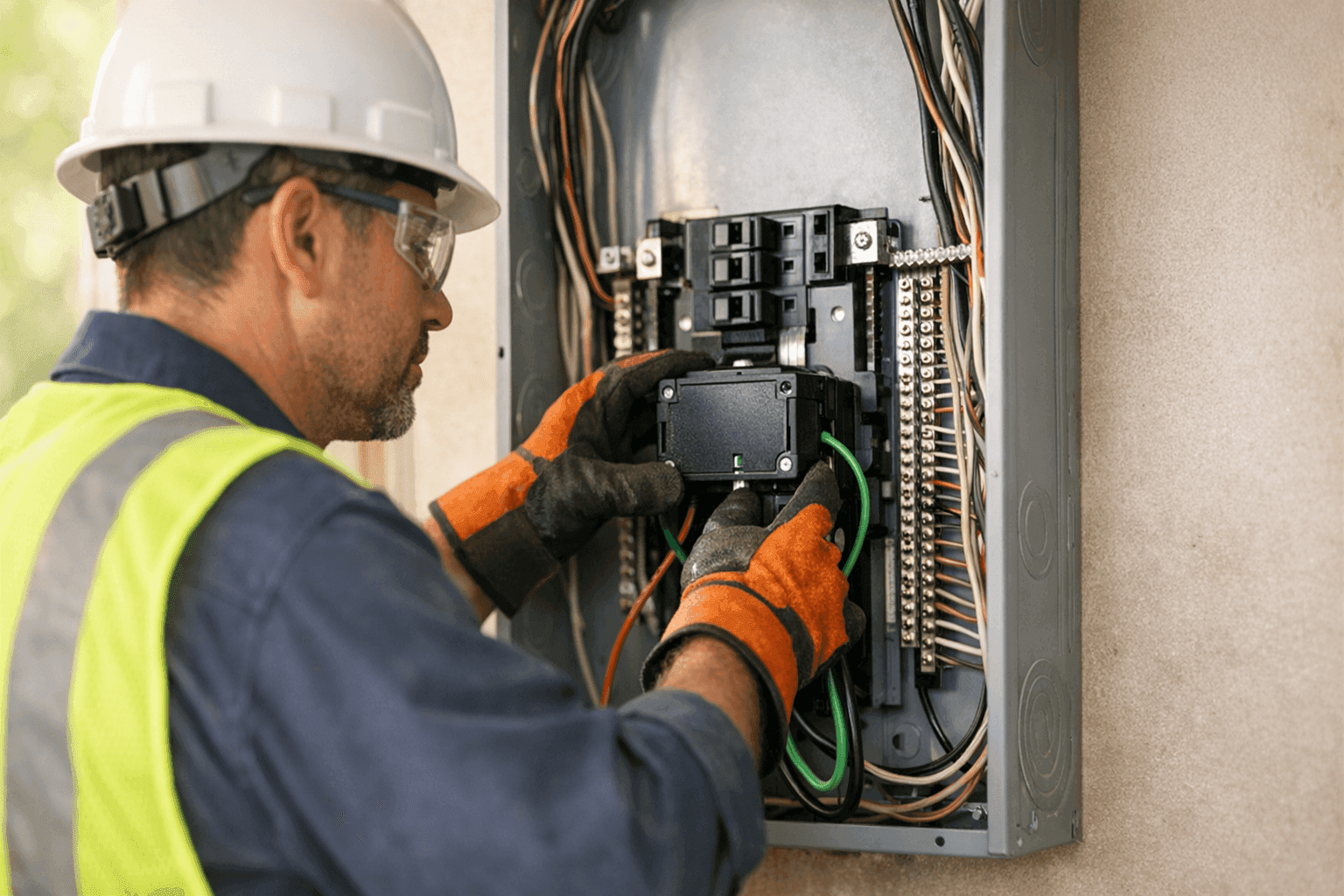
Installed at your main electrical panel, these act like security guards, blocking large surges at the door before they reach your outlets. They’re the backbone of a strong defense.
Point-of-Use Surge Protectors
These are the familiar power strips you plug your computer or TV into. They add a second layer of protection for sensitive items, but can’t handle the big surges that whole-house units are built for.
Specialty Devices
- Appliance-specific surge protectors: For refrigerators, washers, and HVAC systems.
- Low-voltage surge protectors: Safeguard phone lines, internet, and data cabling.
Each home’s needs are unique, so a trusted electrician will recommend the right combination.
How Installation Works
Installing a whole-house surge protector isn’t a weekend DIY project. It involves working directly with your home’s electrical panel—a place where safety and code compliance come first.
Here’s what you can expect with a professional installation:
- Assessment: An electrician inspects your main panel, checks for proper grounding, and identifies any existing issues.
- Product selection: The right surge protector is chosen based on your home’s size, panel type, and typical power usage.
- Installation: The device is mounted and wired directly to your service panel.
- Testing: After installation, your electrician verifies that the system responds correctly to simulated surges.
- Documentation: You receive information on your new system, including maintenance tips and product specs.
All work follows the National Electrical Code (NEC) and local building codes.
What to Protect in Your Home
Some items are more vulnerable (and valuable) than others when it comes to surges:
- Computers, laptops, tablets
- Home automation systems
- Smart TVs and entertainment systems
- Kitchen appliances
- HVAC, pool, and spa equipment
- Home office equipment
- Security systems and smart doorbells
It’s not just about gadgets. Surges can also damage your wiring, outlets, and even your panel breakers. That’s why whole-house protection is so critical.
Maintenance & Testing: Keeping Your Protection Strong 🛠️
Just like a smoke detector, surge protectors need regular check-ups. Here’s how to keep your system at its best:
- Visual checks: Inspect indicator lights on your whole-house protector monthly. If a light goes out or changes color, call an electrician.
- Periodic testing: Schedule a professional check every year—especially after a major storm or nearby lightning strike.
- Replace when needed: Most whole-house surge protectors are built to last 5-10 years, but a big surge can “use up” their protective capacity. If your home experiences a major event, have your protector checked right away.
Pool & Spa Electrical Near You: Special Surge Risks
Pools, spas, and outdoor kitchens often have dedicated electrical lines exposed to the elements. These are especially prone to surges from nearby lightning or faulty outdoor equipment. Lighteq Electric’s electricians ensure these areas get the added attention and protection they need.
DIY vs. Professional Installation
It may be tempting to handle electrical upgrades yourself, but surge protection is one area where a professional's touch is essential. The risk of improper installation includes fire hazards, code violations, and false security. Our certified electricians use trusted brands and follow strict safety guidelines, ensuring your investment actually works when you need it most.
What Happens When the Pros Arrive
When you call Lighteq Electric, here’s what our team does:
- Review your current panel and wiring
- Inspect existing protection (if any)
- Discuss your specific needs (home office, smart home, pool, etc.)
- Select and install the right surge protector
- Test and walk you through maintenance steps
We’ll also answer any questions, so you feel confident and informed.
Quick Safety Checklist for Homeowners
- Check electronics for scorch marks or odd odors after storms.
- Unplug sensitive devices during severe weather if you don’t have whole-house protection.
- Avoid overloading outlets and circuits.
- Schedule regular electrical safety inspections.
Costs & Time Factors
Most whole-house surge protector installations take less than two hours. Costs vary depending on your panel and home size, but it’s a one-time investment that can save thousands in replacement costs down the line.
When Is It an Emergency?
If you notice flickering lights, burning smells, or repeated tripping breakers after a storm, call an electrician immediately. These could be signs that a surge has damaged your system, and waiting can be risky.
Seasonal Considerations
Spring and summer storms bring risk, but winter outages and utility work can also cause surges. Review your protection before storm season and after any major electrical work in your home.
Common Mistakes to Avoid
- Relying only on plug-in strips for the whole house
- Ignoring grounding issues
- Skipping annual maintenance checks
- Installing surge protectors in damp or outdoor environments without weather-rated equipment
Signs of Trouble
- Surge protector warning lights are off or red
- You’ve lost power to many devices after a storm
- Appliances aren’t working correctly or smell odd
- Frequent tripped breakers
Materials & Equipment Used
Lighteq Electric uses only UL-listed, code-compliant surge protectors from reputable manufacturers. We’ll walk you through your options, from basic models to premium units with advanced features for smart homes.
Local Expertise for Every Home
No matter your home’s age or setup, our team is ready to help. If you’re looking for reliable Electrical System Installation or surge protection advice, our licensed electricians are just a call away.
Ready To Safeguard Your Home?
Protect your electronics, wiring, and peace of mind. For surge protection, electrical inspections, or maintenance, trust Lighteq Electric to keep your home safe—today and for years to come.
Call Lighteq Electric now — or reach us anytime at 855-552-3493 .