How to Choose the Right Home Generator
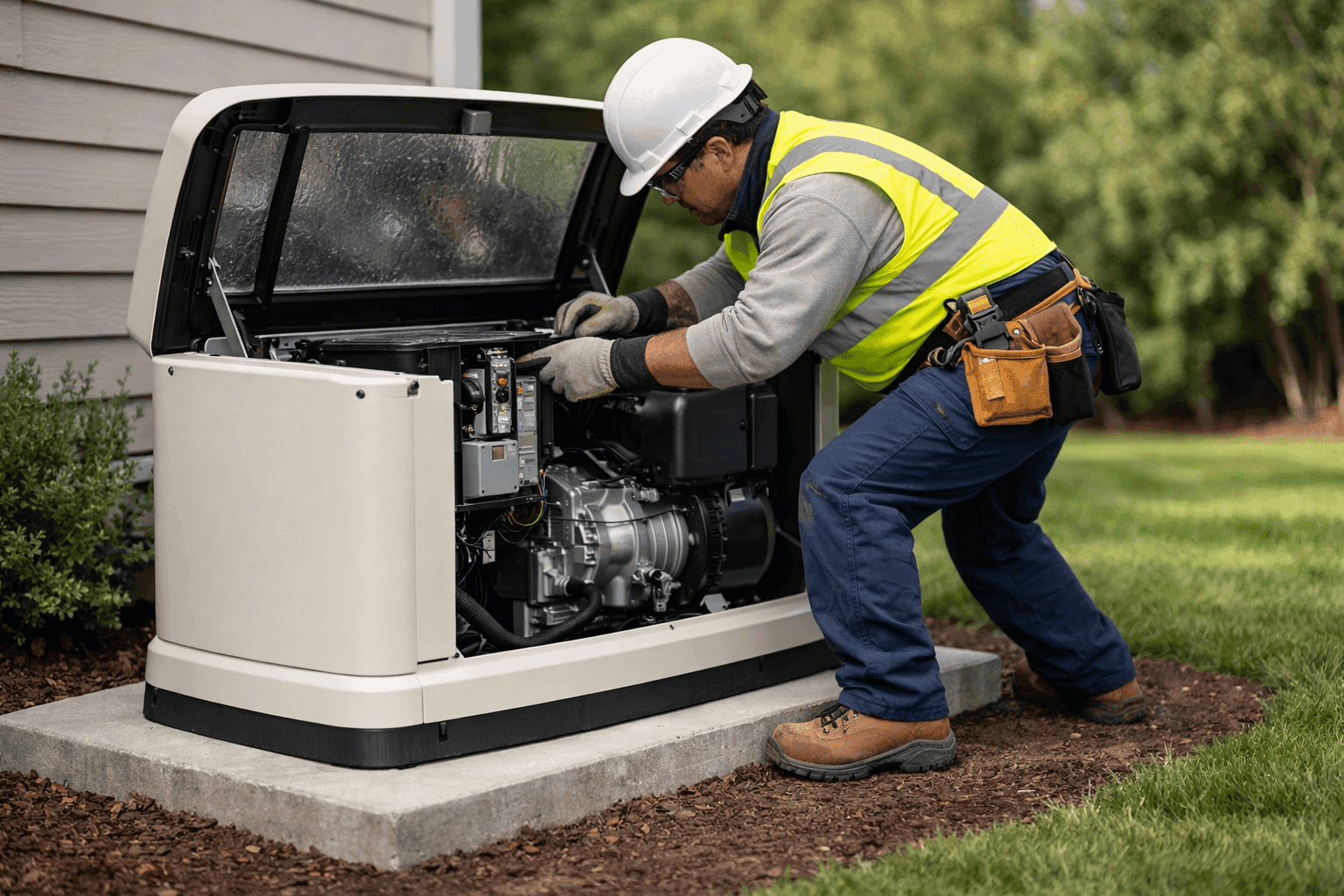
When the lights go out, life doesn’t stop. But your comfort, safety, and daily routine can grind to a halt. That’s where a reliable home generator steps in. At Lighteq Electric, our licensed electricians help families power through outages—without missing a beat.
Choosing the right generator isn’t just about watts and wires. It’s about peace of mind, safety, and making sure your home stays the place you love—even when the grid lets you down. Let’s walk through what you need to know.
Types of Home Generators 🔋
Home generators come in two main varieties: portable and standby. Each has a different role—think of it like comparing a toolbox to a fully-stocked workshop.
Portable Generators:
- Moveable, plug into select appliances or circuits
- Good for short outages or powering essentials
- Must be manually started and fueled
- Lower upfront cost
- Cons: Limited power, can’t run your whole house, and need safe outdoor placement
Standby Generators:
- Permanently installed outside your home
- Automatically turn on when power fails
- Connected to your home’s electrical system
- Can power everything, even sensitive electronics
- Cons: Higher upfront cost, needs professional installation
If you want a little backup for your fridge or medical equipment, a portable might do. But for seamless, whole-home comfort, standby generators are hard to beat.
Sizing for Your Needs
Bigger isn’t always better. The right size generator covers what you need—without wasting fuel or money.
Ask yourself:
- What must stay on? (Think: refrigerator, heating/cooling, lights, medical equipment.)
- Do you want to run your entire home or just the essentials?
- Are there special loads like a pool pump, EV charger, or home office setup?
A licensed electrician can do a load calculation, making sure your choice matches your household’s real needs. The National Electrical Code (NEC) offers guidelines on safe sizing and installation.
Fuel Types & Features
Generators are a bit like cars—they run on different fuels, each with pros and cons.
Most common fuel options:
- Natural Gas: Always available if you have a hookup, burns clean, no refueling hassle.
- Propane: Easy to store, lasts long, cleaner than gasoline, but tanks need refilling.
- Diesel: Powerful, common for bigger units, but louder and needs more maintenance.
- Gasoline: Cheap, easy to find, but goes bad quickly and can be risky to store.
Look for features like:
- Automatic transfer switches (so your generator comes on the moment the power fails)
- Low-oil shutoff (protects the engine)
- Overload protection (keeps your circuits safe)
- Remote monitoring (keep tabs on power from anywhere)
Installation Considerations 🛠️
Installing a generator isn’t a DIY Saturday project. Permits, code compliance, and safe wiring matter. A generator is part of your home’s lifeline—shortcuts can be dangerous.
What to expect:
- Site assessment (distance from windows, local codes, fuel access)
- Concrete pad or secure base for standby units
- Connection to your electrical system
- Transfer switch installation (required for standby and some portable units)
- City or county inspections
Choose a licensed electrician with experience in generator installs. It’s the difference between safe power and a risky shortcut.
Maintenance Tips for Reliable Power
A generator is like a car engine—it needs care to run when you need it most.
Basic generator care:
- Run your generator monthly (even if there’s no outage)
- Check oil and coolant levels regularly
- Test the battery and replace as needed
- Schedule annual inspections—especially before storm season
- Keep the area clear of leaves and debris
You’ll find maintenance guidelines in your owner’s manual and from organizations like the Electrical Safety Foundation International (ESFI).
Key Safety Features to Look For 🦺
A good generator keeps you safe as well as comfortable.
Must-have safety features:
- Carbon monoxide sensors (especially for portable units)
- Automatic shutoff (for low oil or overload)
- Weatherproof housing for outdoor models
- Surge protection (protects electronics from voltage spikes)
- GFCI outlets on portables
Never run a portable generator indoors or in a garage—carbon monoxide is invisible and deadly.
Common Mistakes Homeowners Make
Even with the best intentions, mistakes happen.
- Choosing the wrong size: Too small and you’ll blow breakers. Too big and you waste money.
- Improper placement: Too close to windows or vents can mean carbon monoxide risk.
- DIY wiring: Only a licensed electrician should connect generators to your panel.
- Neglecting maintenance: A generator that won’t start on outage day isn’t much help.
Backup Generators for Peace of Mind
Standby and backup generators can be a lifeline for families with home offices, medical devices, or just a love for comfort. These systems are designed to integrate seamlessly with your home, keeping life moving smoothly.
If you’re considering Backup Generators, look for units with robust warranties and support networks. And always ask your electrician about models they trust most.
Timeline & What to Expect During Installation
The process moves in phases:
- Consultation and site visit
- Load calculation and sizing
- Permitting and ordering equipment
- Installation day (usually 1-2 days for standby units)
- Inspection and commissioning
Expect some noise and a bit of yard disruption, but your electrician will keep it tidy and safe.
Seasonal Considerations
Storm season? Wildfire threats? Freezing winters? Generators are built for emergencies but work best when installed and tested before you need them.
- Schedule installation ahead of weather extremes.
- Store extra fuel safely.
- Test your system before the first storm.
When It’s an Emergency
If you rely on medical equipment, work from home, or have young kids or elderly family, power isn’t a luxury—it’s a necessity. If your area faces frequent outages, a generator is as vital as smoke detectors or surge protection.
Quick Safety Checklist for Homeowners ✅
- Never use a portable generator indoors.
- Test your generator monthly.
- Keep combustibles away from generators.
- Store fuel in approved containers, outside living spaces.
- Have your system inspected by a licensed electrician yearly.
FAQ: Your Generator Questions Answered
Q: Can I power my whole home with a portable generator?
A: Not safely. Portables are for essential loads only.
Q: How long do standby generators last?
A: With maintenance, 10-20 years is common.
Q: Are permits required?
A: Yes, for standby units—your electrician handles this.
Q: What about warranty?
A: Most major brands offer multi-year coverage—ask your installer for details.
Prevention & Maintenance: Staying Ahead of Problems ⚙️
Prevent outages from turning into emergencies by staying proactive.
- Schedule regular service.
- Replace worn parts promptly.
- Upgrade your system as your household grows or your needs change.
A well-maintained generator is like a good neighbor—always ready to lend a hand.
Why Professional Installation Matters
Generator installation is more than plugging in a box. It’s about integrating with your electrical system, following local codes, and ensuring every wire is where it should be. Licensed electricians bring experience and training to every install, so your family stays safe.
If you’re searching for “Pool & Spa Electrical near you,” or need a backup generator for your growing smart home, Lighteq Electric has the know-how and dedication you need.
Ready to Power Your Home With Confidence?
Don’t wait for the next blackout to realize you need backup. Whether you’re interested in portable or standby units, our team will walk you through every step, from sizing to installation and beyond.
Call Lighteq Electric now — or reach us anytime at 855-552-3493 .