How to Prepare Your Home's Electrical System for Severe Weather
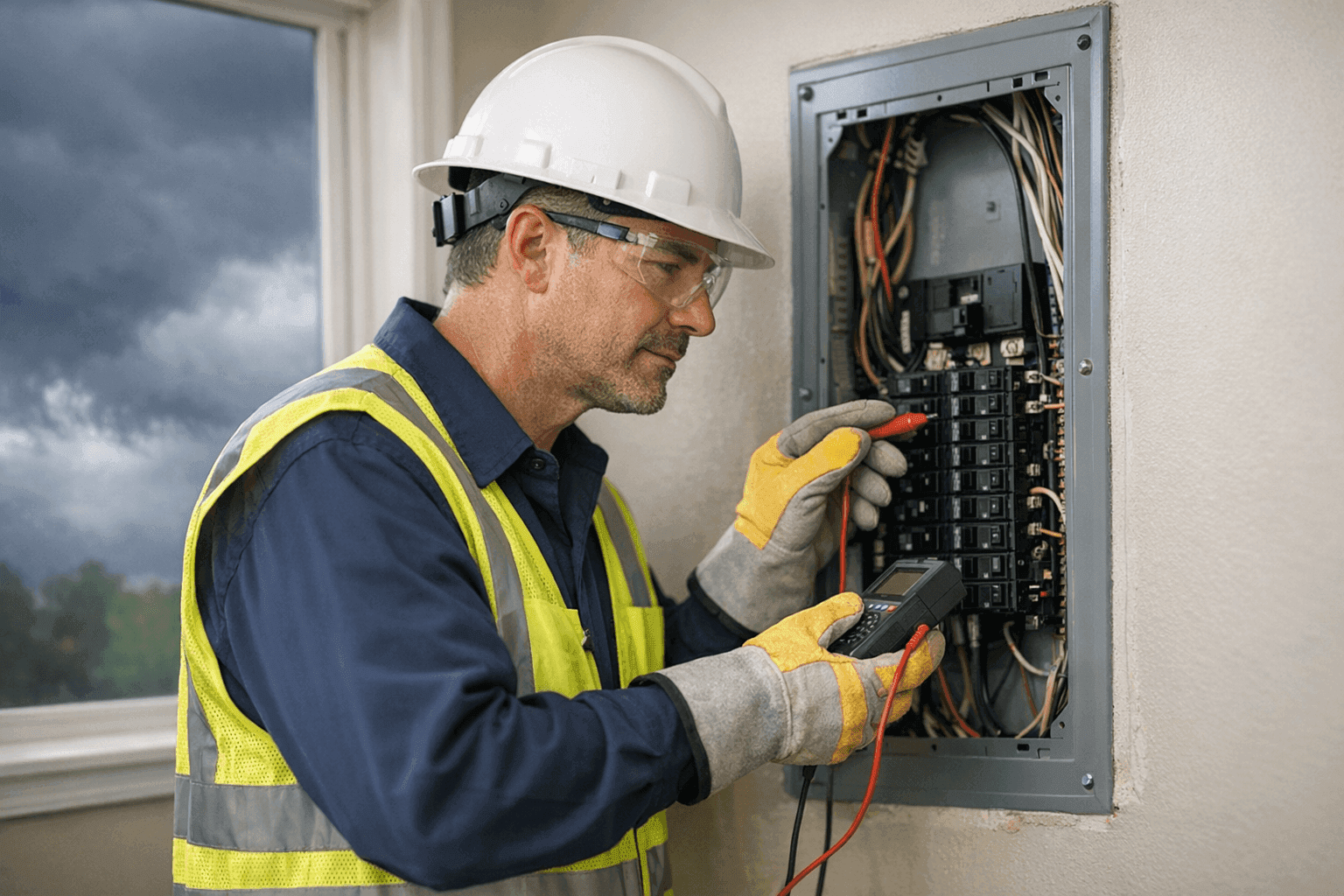
When severe weather is on the horizon, stress levels rise. Will the lights stay on? Will your electronics survive a power surge? At Lighteq Electric, we know storms bring more than just rain—they bring real risks to your home’s electrical system. Preparation is the key to safety, comfort, and peace of mind.
Every year, storms cause fires, floods, and costly power outages. But you can minimize the impact. Let’s walk through the steps to get your home ready, using advice trusted by licensed electricians and safety codes.
The Risks of Storm Damage 🌩️
Storms don’t just rattle windows—they can turn your electrical system into a hazard zone. Lightning, high winds, and flooding can:
- Cause electrical fires from short circuits or overloaded panels.
- Flood outlets and wiring, leading to shock risks or hidden corrosion.
- Knock down power lines, sparking outages—or worse, live wires on your property.
- Send power surges racing through your home, frying electronics in a split second.
The National Fire Protection Association (NFPA) and Electrical Safety Foundation International (ESFI) warn that improper electrical preparation is a leading cause of fire and injury during storms. Don’t leave things to chance.
Pre-Storm Inspection Tips
Think of your home’s electrical system like a car before a road trip—it needs a once-over. Before storms strike:
- Schedule an electrical safety inspection. Licensed electricians spot hidden problems. They look for outdated wiring, overloaded circuits, and water-prone areas. Electrical Safety Inspections.
- Check your panel and breakers. Are they labeled? Are there signs of rust or heat damage?
- Test GFCI outlets. These outlets prevent shocks in wet locations—make sure each one trips and resets.
- Look for loose wires or exposed connections. These are red flags, especially in basements and garages.
- Clear gutters and drains near exterior outlets. Water pooling near electrical boxes is a recipe for disaster.
A pre-storm checkup by a licensed electrician can catch issues before they become emergencies.
Protecting Your Electronics
Modern homes run on sensitive electronics. One surge, and your entertainment center or smart fridge could be toast. To keep your gear safe:
- Install whole-home surge protection. This is your best defense, acting like a sturdy umbrella for everything under your roof. Ask about our surge protection service.
- Use quality surge protectors for expensive devices. Not all power strips are equal. Look for UL-listed surge protectors and replace old ones.
- Unplug during the worst of the storm. If lightning is nearby, disconnect TVs, gaming systems, and computers.
Remember, insurance may not cover damage from surges if you haven’t taken reasonable precautions.
Backup Power Options
No one likes sitting in the dark, especially with kids or medical needs at home. Generators can keep critical systems running:
- Portable generators: Affordable and flexible. Keep them outside—never indoors or in a garage, due to carbon monoxide risk.
- Whole-home backup generators: These kick on automatically when the grid fails. They keep your fridge, sump pump, and even AC running.
- Check generator readiness before every storm. Top off the fuel, test start, and inspect cords for damage.
If you need help sizing or installing a generator, call an electrician. Local codes, such as those from the National Electrical Code (NEC), must be followed to keep your setup safe.
Flood and Fire Hazards
Floodwaters and electricity do not mix. If your basement is prone to flooding:
- Never enter flooded rooms until power is off. Water can hide live currents.
- Move cords and power strips off the floor. Keep electronics and extension cords above flood level.
- Install sump pumps with battery backups. These clear water, even when the power fails.
After the storm, have an electrician check all affected wiring and outlets for hidden damage.
Insurance and Documentation
Storms can mean big repair bills. Take these steps to smooth your insurance claims:
- Photograph your electrical panel, outlets, and major appliances. Do it before the storm.
- Keep receipts for surge protectors and electrical upgrades. Some policies offer discounts for these safety measures.
- Know your homeowner’s policy. Does it cover surge damage, generator installation, or electrical system repairs?
Emergency Service: When Every Minute Counts
Sometimes, storms bring immediate danger—a burning smell, popping sounds from your panel, or flickering lights that won’t quit. In these moments:
- Turn off power at the main breaker if it’s safe to do so.
- Evacuate if you smell burning or see smoke.
- Call for Emergency Service right away.
Lighteq Electric offers 24-hour emergency response. Don’t wait if you suspect danger.
Seasonal Considerations
Storm season isn’t just hurricane time. Winter ice can snap power lines; spring rains can flood basements. Before each season:
- Inspect outdoor outlets and lighting for weatherproofing.
- Test smoke and carbon monoxide detectors.
- Prune trees away from service lines.
This routine is as important as changing your HVAC filters or winterizing your pipes.
DIY vs. Call a Pro
Some storm prep you can do yourself—testing outlets, unplugging devices, moving cords. But:
- Never open your electrical panel unless you are trained.
- Don’t attempt generator or surge protector installation unless you understand local codes.
- If you see sparks, water near outlets, or smell ozone, call an electrician. It’s not worth the risk.
Our licensed team follows NEC standards and stays current with safety guidelines, so you don’t have to second-guess.
Common Mistakes to Avoid
Storm season brings out the "just get it done" attitude. But cutting corners can be costly:
- Taping over outlets instead of shutting off power.
- Using indoor extension cords outside.
- Running generators indoors or with undersized cables.
- Ignoring flickering lights or tripped breakers.
If it feels like a shortcut, it’s probably a hazard.
Fault Finding and Recovery Timeline
After the storm passes, don’t rush to restore power. Take a breath. Then:
- Inspect for visible water or fire damage before resetting breakers.
- Test GFCIs and AFCI breakers.
- Check appliances and electronics for damage before plugging in.
- If you lost power, let refrigerators and freezers stabilize before restocking.
A thorough electrical inspection after a major event isn’t just smart—it’s required by many insurance companies.
How Lighteq Electric Can Help
Storm prep isn’t a one-size-fits-all job. Our team at Lighteq Electric provides:
- Electrical Safety Inspections for every type of home.
- Professional installation of surge protection and backup power.
- 24/7 response for emergencies and repairs.
- Advice that follows the latest code updates.
Whether you need quick tips for Pool & Spa Electrical near you or a full system upgrade, we’re here to help you weather the storm.
Final Checklist: Ready for the Next Storm?
- [ ] Scheduled your annual electrical inspection?
- [ ] Tested all GFCI and AFCI outlets?
- [ ] Installed surge protection for your whole home?
- [ ] Checked generator or backup power system?
- [ ] Documented your electrical system for insurance?
- [ ] Know who to call for emergencies?
Let Lighteq Electric help you check every box.
Call Lighteq Electric now — or reach us anytime at 855-552-3493 .