How to Troubleshoot Common Home Electrical Problems Safely
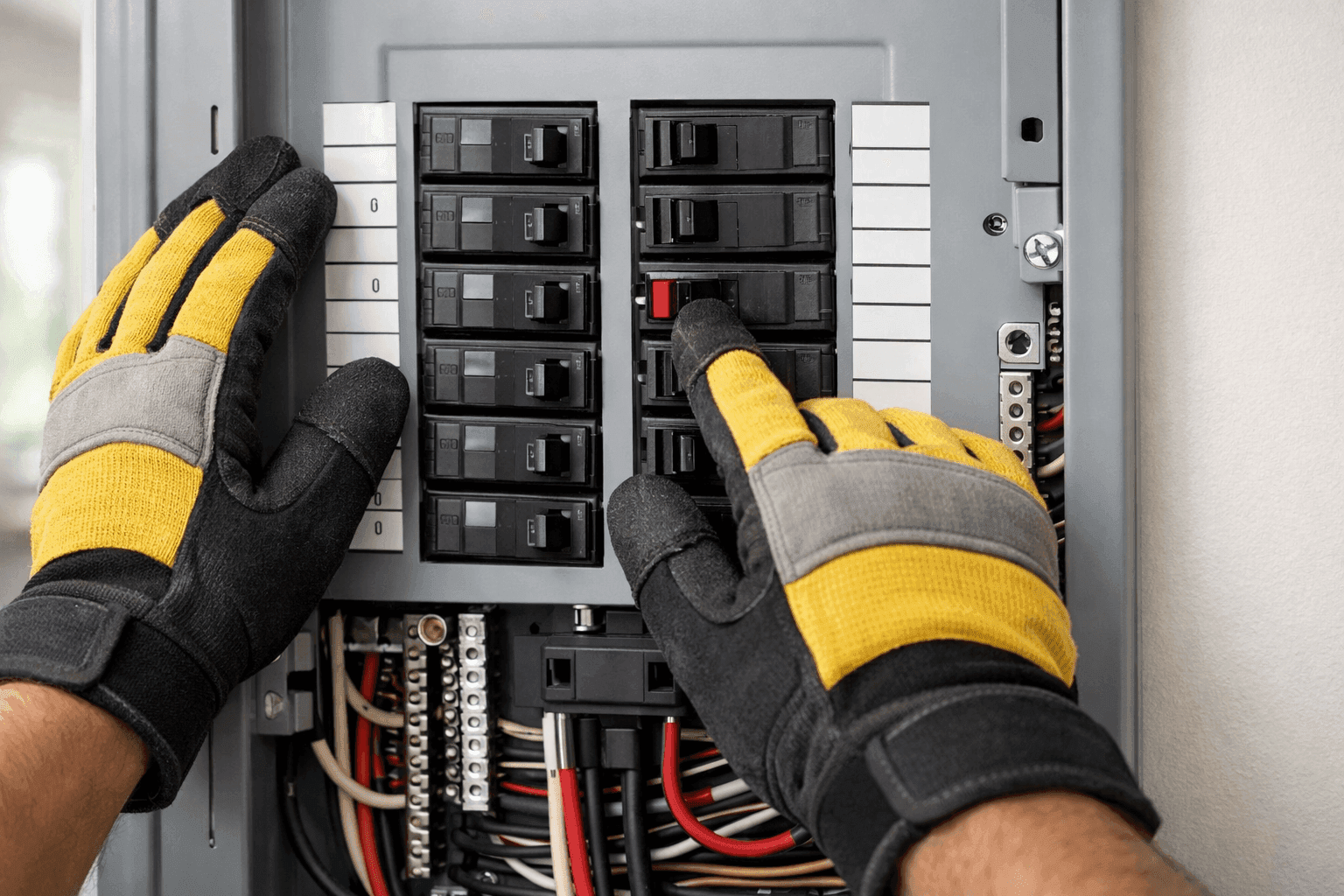
Have you ever flipped a switch and nothing happened? Or maybe you’ve noticed lights flickering for no reason. It’s easy to feel uneasy when the power acts up at home. Electrical problems can range from a simple annoyance to a real safety hazard.
At Lighteq Electric, we understand how frustrating and confusing electrical issues can be. We’re here to help you spot the signs, troubleshoot safely, and know when it’s time to bring in an electrician. Let’s get started.
Identifying Common Symptoms ⚡
Recognizing the warning signs is the first step. Here are the most common troublemakers in residential homes:
- Dead outlets: Suddenly, your coffee maker or lamp won’t turn on.
- Tripped breakers: The breaker flips off, cutting power to parts of your house.
- Flickering lights: Lamps or overhead lights blink or dim unexpectedly.
- Circuit overloads: Too many appliances on one circuit blow the breaker.
- Buzzing or hot outlets: Outlets or switches that feel warm or make noise.
These symptoms are your home’s way of saying, "Something’s not right." Don’t ignore them.
Quick Safety Checklist Before You Begin
Electricity is powerful—never take chances. Before you check anything:
- Turn off power at the breaker panel if you’re opening outlets or switches.
- Don’t touch exposed wires.
- Never use water to put out an electrical fire.
- Use a non-contact voltage tester to double-check circuits.
- Don’t wear jewelry or wet clothing while working.
The National Fire Protection Association (NFPA) recommends treating every wire as if it’s live. If in doubt, back away and call a professional.
Dead Outlets: What’s Going On?
A dead outlet is like a silent alarm. Most often, it’s caused by:
- A tripped circuit breaker
- A blown fuse
- Loose wiring connections
- Worn-out outlets
Step 1: Plug a different device into the outlet.
Step 2: Check nearby outlets—sometimes several are on the same circuit.
Step 3: Look at your breaker panel. Any switches sitting in the middle or "off" position? Flip them fully off, then back on.
If this doesn’t solve the problem, it’s time for a deeper look, but only if you feel confident. Otherwise, call an electrician.
Tripped Breakers: Why Do They Flip?
Circuit breakers are like your home’s bodyguards. When too much power tries to flow, they shut things down.
Common causes:
- Too many high-wattage devices on one circuit
- Faulty appliances
- Short circuits or ground faults
To reset:
- Unplug devices on the affected circuit.
- Flip the breaker off, then on.
- Plug items back in one at a time.
If the breaker keeps tripping, something’s wrong with the wiring or an appliance. Stop and call a pro to avoid risk.
Flickering Lights: Not Just a Nuisance
A flickering bulb might mean a loose bulb—or something bigger.
- Simple fix: Tighten or replace the bulb.
- Still flickering? Try another fixture. If multiple lights flicker, the issue may be with your wiring, switches, or even the electrical panel.
Persistent flickering can signal outdated wiring, overloaded circuits, or loose connections. According to the U.S. Consumer Product Safety Commission (CPSC), these issues are a leading cause of residential electrical fires. Never ignore them.
Circuit Overloads: When Enough Is Enough
Think of your home’s circuits like a series of highways. Too many cars (appliances) cause a traffic jam (overload).
Signs of overload:
- Warm or discolored wall plates
- Scorched plugs
- Breakers tripping often
Prevention tips:
- Spread out appliances across multiple outlets.
- Avoid daisy-chaining power strips.
- If you need more power, ask about wiring and circuits upgrades.
Step-by-Step Troubleshooting for Homeowners
If you want to check things yourself, here’s how to do it safely:
- Identify the affected area. Which rooms, outlets, or lights aren’t working?
- Unplug everything. Prevent further issues and make it easier to isolate the problem.
- Inspect the breaker panel. Look for any tripped switches or signs of burning.
- Test outlets with a lamp or phone charger. (Never use tools on live circuits.)
- Check GFCI outlets. Kitchens, bathrooms, and garages often have ground-fault circuit interrupters; press "reset" if tripped.
If you smell burning, hear buzzing, or see scorch marks, step away and call for help.
DIY vs. Professional: Where’s the Line?
Some things you can safely check yourself. But when should you stop?
DIY-friendly:
- Replacing light bulbs
- Resetting tripped breakers
- Testing GFCI outlets
Call an electrician for:
- Repeated breaker trips
- Dead outlets after basic checks
- Flickering or dimming throughout the house
- Burnt smells or sparking
- Any wiring work inside walls or panels
Home electrical systems can be as tricky as a maze. If you’re unsure, don’t risk it. Fault finding from a licensed electrician can prevent bigger headaches down the road.
What Electricians Do On Arrival
When you call Lighteq Electric, here’s what happens next:
- We listen to your description—details matter! Tell us what you saw, heard, or smelled.
- Our technician inspects the affected area, tests circuits, and checks the panel.
- We use safe, code-compliant tools to pinpoint the fault.
- You get a clear explanation before any repairs begin.
Knowing what to expect helps you feel more at ease. We’re here to get you back to normal—safely.
Staying Safe: Homeowner Do’s and Don’ts
Do:
- Keep your breaker panel accessible.
- Test your smoke and carbon monoxide detectors monthly.
- Schedule regular electrical repairs and maintenance.
- Replace damaged cords and plugs promptly.
Don’t:
- Overload outlets or power strips.
- Run cords under rugs or furniture.
- Attempt major wiring yourself.
Safety first—always.
Prevention & Maintenance: Keeping Problems at Bay 🔧
A little routine care goes a long way:
- Have an electrician inspect your wiring every few years.
- Upgrade old outlets to modern, tamper-resistant types.
- Install whole-house surge protection.
- Consider AFCI breakers for added fire prevention.
Regular checkups aren’t just for people. Your home’s wiring needs them, too.
When It’s an Emergency
Some electrical issues can’t wait. Call for help immediately if you experience:
- Sparking or arcing sounds from outlets or switches
- Burning smells near electrical devices
- Complete loss of power in part or all of your home
- Water leaks near electrical panels or wiring
These can be life-threatening. Don’t hesitate—get professional help fast.
Common Mistakes Homeowners Make
Even the handiest folks sometimes slip up:
- Using the wrong wattage bulbs
- Mixing extension cords and power strips
- Ignoring warning signs like buzzing or sparking
- Attempting repairs without turning off the power
Remember, electricity doesn’t give second chances.
Communicating With Your Electrician
Help us help you! When you call, be ready to share:
- What happened before the issue started (e.g., storm, new appliance)
- Which rooms or outlets are affected
- Any smells, sounds, or visible damage
- Photos (if safe to take)
The more details, the quicker we can solve the problem.
Timeline and Disruption: What to Expect
Most home electrical fixes are fast and tidy. Simple repairs can take 30–60 minutes. More complex wiring or circuit issues may take longer, especially if walls need to be opened. We always keep disruption to a minimum and clean up after ourselves.
Materials and Equipment You Might Need
For minor checks, have these on hand:
- Flashlight
- Non-contact voltage tester
- Screwdrivers
- Replacement bulbs or fuses
Leave specialized tools—like multimeters and circuit tracers—to your electrician.
FAQ: Home Electrical Troubleshooting
Q: Should I reset a breaker more than once?
A: No. If it trips again, it’s time to call for help.
Q: Are power strips safe?
A: Yes, if not overloaded and used as directed. Never daisy-chain them.
Q: Can I repair my own outlets?
A: Only if you know exactly what you’re doing and the power is OFF. When in doubt, call an electrician.
Q: Is it safe to use an outlet that feels warm?
A: No. Warm or hot outlets can signal a serious problem.
Seasonal Considerations
Storms, holiday lighting, and summer pool equipment put extra stress on your wiring. Schedule a safety inspection before big changes—or if you notice anything unusual.
The Importance of Code and Safety Standards
Always follow safety codes set by the National Electrical Code (NEC) and your local regulations. These standards are there for your protection. Professional electricians keep up to date with all the latest requirements.
Call Lighteq Electric for Safe, Reliable Help
Electrical problems shouldn’t be ignored, but safety always comes first. If you’ve tried the basics and the issue persists—or if you’re not sure what to do next—reach out.
Call Lighteq Electric now — or reach us anytime at 855-552-3493 .