How to Install and Maintain Whole-House Generators for Reliable Backup Power
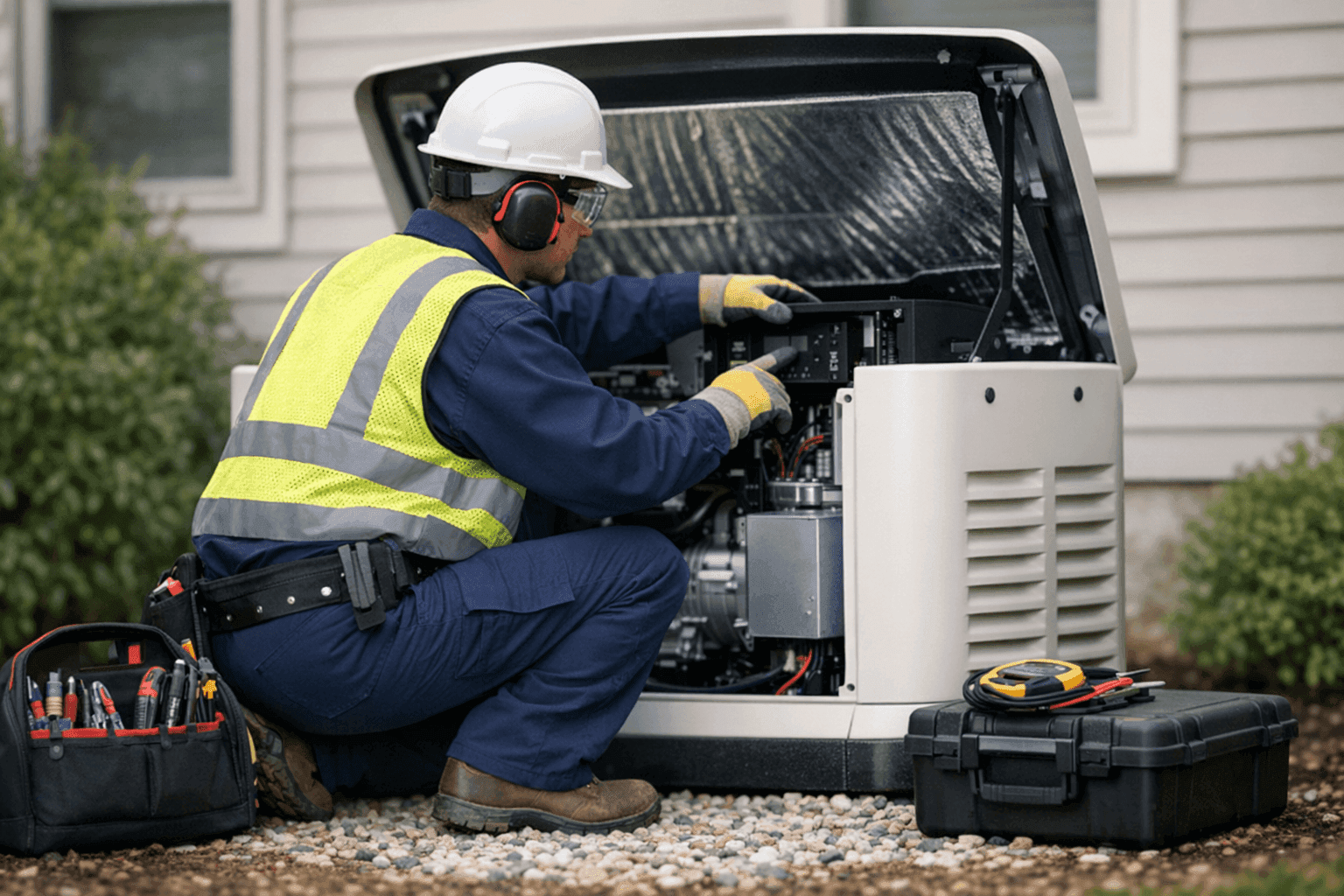
When the lights go out, everything stops. The fridge. The heater. Even your morning coffee. For many homeowners, power outages aren’t just inconvenient—they’re stressful. At Lighteq Electric, we know how important it is to keep your home safe and comfortable, no matter what’s happening outside.
Whole-house generators offer a lifeline during blackouts. But installing and maintaining them takes more than flipping a switch. Ready to make sure your family isn’t left in the dark? Let’s demystify the process together.
What Is a Whole-House Generator? ⚡
Think of a whole-house generator as your home’s safety net. When the main power grid fails, this machine jumps in—automatically. It’s like a relay runner, grabbing the baton and keeping your home’s essential systems running.
Unlike portable generators that power just a few appliances, whole-house units connect directly to your home’s electrical panel. They can run lights, heating and cooling, refrigerators, medical devices—virtually everything you need.
Most modern systems use natural gas or propane. They kick on within seconds of an outage, using an automatic transfer switch, so you’re never fumbling for flashlights in the dark.
Why Reliable Backup Power Matters
A sudden blackout is more than an inconvenience. For families with young kids, seniors, or anyone with medical needs, it can be dangerous. Food spoils. Pipes freeze. Security systems fail.
Reliable backup power keeps you in control during storms or grid failures. It protects your home from damage and provides peace of mind. That’s why more homeowners are turning to generators as part of their emergency plans.
Safety First: Quick Checklist Before You Start
Before installing anything electrical, safety comes first. Here’s a quick checklist:
- Always follow National Electrical Code (NEC) guidelines and local building codes.
- Shut off all power at the main panel before touching wires.
- Keep generators outdoors and away from windows or vents to prevent carbon monoxide poisoning.
- Use only UL-listed transfer switches and equipment.
- Never try to connect a generator directly to your panel without the right training.
If you’re unsure, it’s always best to call a qualified electrician for help.
DIY vs. Calling a Pro: Which Is Right?
Installing a whole-house generator is like piecing together a giant, high-stakes puzzle. Each wire and connection matters. Even one mistake can risk your safety—or your home’s.
Some homeowners tackle small electrical jobs themselves. But a generator installation isn’t a “weekend project.” It involves:
- Sizing the generator for your home’s needs
- Connecting to your fuel source (natural gas or propane)
- Installing a transfer switch
- Wiring to your main panel
Licensed electricians understand these systems inside and out. They know the code, the pitfalls, and how to make it all work smoothly. If you want true worry-free backup power, professional installation is best.
The Installation Process Step-By-Step
Curious what actually happens when you install a whole-house generator? Here’s how the process usually goes:
- Assessment and Sizing: An electrician visits your home, reviews your needs, and recommends the right generator size.
- Permits and Planning: They pull any required permits and create a plan based on your home’s layout and local codes.
- Site Preparation: A stable, level pad is created outside for the generator. Usually near the electric panel and gas line.
- Generator Placement: The unit is set in place, anchored, and leveled.
- Fuel Connections: Licensed technicians connect the generator to your natural gas or propane source, using proper fittings.
- Transfer Switch Installation: The automatic transfer switch is wired to your main panel. This device senses power loss and switches your home to generator power instantly.
- Wiring: All electrical connections are made, following NEC and manufacturer instructions.
- Testing: The system is thoroughly tested—both on and off-grid—to ensure it works flawlessly.
- Final Walkthrough: You’re shown how to operate the system and what to look for during outages.
The whole process can take a day or two, depending on your home and generator size.
What Electricians Do On Arrival
When a Lighteq Electric technician arrives, they don’t just bring tools—they bring a checklist honed by years on the job. Here’s what you can expect:
- Review of your electrical panel and home layout
- Inspection of gas lines and venting
- Discussion about your backup power priorities (what must run during an outage)
- Walkthrough of code and permit requirements
- Transparent estimate, so there are no surprises
We focus on safety, neatness, and long-lasting results. Pool & Spa Electrical near you? We handle it all, with the same careful attention.
Materials and Equipment Needed
Installing a generator isn’t just about the big machine. Here’s what else goes into the job:
- Generator (sized to your home)
- Automatic transfer switch
- UL-listed wiring, conduit, and connectors
- Weatherproof pad or base
- Fuel piping and shutoff valves
- Grounding rods
- Surge protector (strongly recommended)
- Manuals and inspection stickers
Everything must be up to code. Don’t cut corners—your safety depends on it.
Common Installation Mistakes (And How to Avoid Them)
Even experienced DIYers can stumble here. Watch out for these errors:
- Undersizing the generator: If it’s too small, you’ll overload it. Always calculate your true power needs.
- Improper transfer switch wiring: Can cause dangerous backfeeding to the grid.
- Poor ventilation: Generators need to “breathe” to avoid carbon monoxide buildup.
- Skipping permits: Unpermitted work can lead to headaches—or worse, insurance issues down the road.
When in doubt, pause and call a pro.
How Much Will It Cost? Time and Disruption Factors
Installing a whole-house generator is an investment. Costs vary based on size, fuel type, and installation complexity. Expect a range from several thousand dollars for smaller systems, up to $10,000+ for larger, more capable units.
Time-wise, most installations take 1–3 days. Your power may be off for a few hours during final wiring. Lighteq Electric schedules work to minimize disruption, so you’re back to normal fast.
Maintenance Tips: Keeping Your Generator Ready 🚨
A generator is only as reliable as its upkeep. Like a car, it needs regular attention. Here’s how to keep yours in top shape:
- Run It Monthly: Start the generator and let it run for 15–20 minutes under load.
- Check Oil and Filters: Inspect oil levels and replace filters as recommended by the manufacturer.
- Inspect Battery: Ensure the battery is charged and terminals are clean.
- Look for Leaks: Check fuel and coolant lines for cracks or drips.
- Test Transfer Switch: Make sure it’s switching smoothly between grid and backup power.
- Schedule Annual Service: Have an electrician perform a yearly inspection and tune-up.
Quick tip: Mark your calendar with reminders so maintenance doesn’t slip your mind.
Seasonal Considerations for Generator Maintenance
Weather can be tough on your equipment. In winter, keep snow and ice away from vents and intakes. In summer, clear grass or shrubs from around the unit to prevent overheating.
If you live in a storm-prone area, check your generator before hurricane or wildfire season. Always follow manufacturer guidelines and local codes for maintenance intervals.
Troubleshooting Common Issues
Sometimes, even well-maintained generators act up. Here’s what to watch for:
- Failure to Start: Could be a dead battery, empty fuel, or tripped breaker.
- Rough Running: Dirty air filter or old spark plug.
- No Power to Home: Transfer switch may be stuck, or there’s a wiring issue.
- Strange Noises: Rattles or bangs usually mean something’s loose. Shut down and investigate.
Never ignore warning lights or unusual smells. If you’re stumped, call a licensed electrician to inspect the system.
Signs It’s Time to Call an Electrician
Some problems need a professional touch. Call for help if:
- You smell gas or fuel.
- There’s visible damage to wiring or components.
- The generator runs but doesn’t power your home.
- You see error codes you don’t recognize.
- You’re overdue for annual service.
Don’t wait for a minor issue to become a major headache. Safety comes first.
How Backup Generators Fit Into Your Home’s Electrical Plan
Whole-house generators aren’t just for blackouts. They’re part of a bigger safety net. They work hand-in-hand with surge protectors, smoke and carbon monoxide detectors, and regular electrical safety checks.
If you’re upgrading your system or building a new home, ask your electrician about integrating backup generators and maintenance into your overall design.
Emergency or Routine? When to Act Fast
Some outages are quick blips. Others drag on for days. If you rely on powered medical devices, work from home, or have a security system, don’t wait for trouble. Schedule a system check before storm season hits.
If your generator won’t start during an outage, that’s an emergency. Lighteq Electric offers 24-hour service and repairs to get you back online.
Frequently Asked Questions
Q: How long will a whole-house generator run during an outage?
A: Most can run for days, as long as there’s fuel. Natural gas units have an almost unlimited supply. Propane tanks need refilling as needed.
Q: Will my generator power everything?
A: It depends on the size. Some systems can run every circuit, others just essentials. Your electrician will help you choose.
Q: Is a portable generator just as good?
A: Portable units are for short-term, low-power use. Whole-house models are safer, automatic, and much more convenient.
Q: Do I need regular inspections?
A: Yes! Annual maintenance is recommended by all major manufacturers and the Electrical Safety Foundation International (ESFI).
Timeline & Disruption: What to Expect
From first call to final test, most installations take 1–2 weeks for planning, permits, and setup. Actual on-site work is usually 1–3 days. Some noise and outdoor digging is normal, but we strive to keep things tidy.
Your daily life might pause for a few hours, but once installed, you’ll barely notice the generator—until you need it most.
For Residents in Hammond and Beyond
If you’re looking for an electrician company that handles installation, maintenance, and emergency repairs, electrician services in Hammond are just a call away. We’re local, responsive, and ready to help you protect what matters most.
When the next blackout rolls in, don’t be left guessing. Whole-house generators bring security and comfort to every season. For safe, code-compliant installation and year-round care, Lighteq Electric is here.
Call Lighteq Electric now — or reach us anytime at 855-552-3493 .