Lighting Upgrades: How to Brighten and Save in Every Room
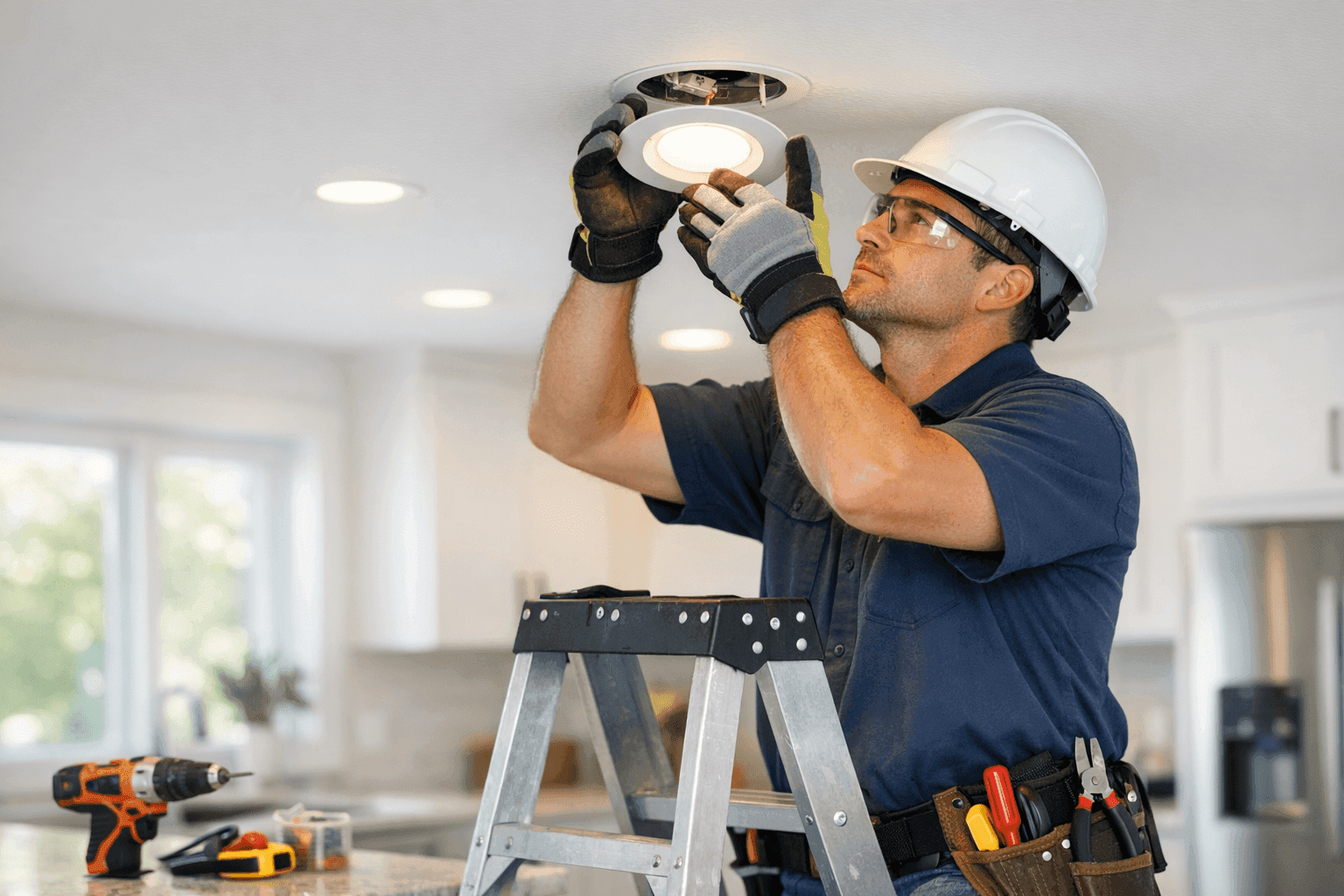
Is your home stuck in the shadows? Dim, outdated lighting can make even the coziest room feel dreary—and your power bill soar. It’s not just a matter of swapping bulbs. Upgrading your lighting is your ticket to a brighter, more efficient, and safer home.
At Lighteq Electric, we know every corner of your home deserves the right light. With decades spent illuminating homes—big and small—we help families make smart choices for style and savings.
Benefits of Lighting Upgrades 🌟
Think of lighting upgrades as planting seeds: a little effort now brings years of growth. The right lighting does more than brighten a room.
- Lower Energy Bills: Swapping out old bulbs for high-efficiency LEDs or smart fixtures can cut lighting costs by up to 75%, according to the U.S. Department of Energy.
- Better Comfort: Light influences mood and productivity. Soft, layered lighting in the living room sets a relaxing tone, while focused task lighting in the kitchen or office sharpens your focus.
- Increased Safety: Well-placed lights help prevent trips and falls. Upgrades can also highlight staircases and entrances, boosting home security.
- Boosted Home Value: Modern, well-designed lighting is a top “wow” factor for buyers and guests alike.
- Fewer Hassles: LEDs last years, meaning fewer ladder climbs and bulb changes.
Best Bulbs for Each Room
Not all lightbulbs are created equal. The perfect glow for reading nooks isn’t what you need for your bathroom mirror.
- Living Room: Warm white LEDs (2700K–3000K) create a welcoming vibe. Consider dimmable ceiling fixtures or floor lamps for flexibility.
- Kitchen: Bright white or daylight LEDs (3500K–5000K) help you see clearly while cooking. Under-cabinet strips chase away shadows on counters.
- Bedroom: Soft, warm bulbs are best. Bedside lamps with low-wattage LEDs prevent harsh glare and support restful sleep.
- Bathroom: Vanity areas benefit from bright, color-accurate LEDs (CRI 90+). Moisture-rated fixtures keep you safe.
- Hallways & Staircases: Motion-sensor LEDs light up only when needed, saving energy and boosting safety.
- Garage & Utility: High-lumen bulbs provide clarity for projects and storage.
LED Retrofitting: The Smart Choice
LED retrofitting means swapping out energy-hungry fixtures or bulbs for modern, long-lasting LEDs. It’s like trading a leaky watering can for a rain barrel.
Why retrofit?
- LEDs use up to 80% less energy than incandescents.
- They generate less heat, reducing cooling costs in summer.
- Most LEDs fit existing fixtures. No need to overhaul your whole setup.
For older homes, retrofitting often pays for itself in a year or two—especially if lights are on for hours each day. Always check for compatibility with dimmers or specialty fixtures.
Dimmable & Smart Lighting—Style Meets Control
Imagine setting the mood with a tap or voice command. Dimmable and smart lighting puts you in charge.
- Dimmable Fixtures: Pair with compatible switches for movie night or early mornings.
- Smart Bulbs: Control brightness and color from your phone. Schedule lights to mimic sunrise, or make your home look lived-in while you’re away.
- Voice Control: Integrate with home assistants for hands-free convenience.
- Scene Setting: Craft presets for “dinner,” “relax,” or “study” at a moment’s notice.
Smart lighting isn’t just a trend. It’s a practical upgrade that pays off daily.
Installation Tips from the Pros
Upgrading lighting might seem simple, but there’s more to it than meets the eye. A single loose wire or overloaded circuit can spell trouble.
- Turn Off Power: Always shut power off at the breaker before starting any work.
- Check Fixture Ratings: Use only bulbs and fittings rated for your fixtures. Overbulbing causes overheating.
- Watch for Old Wiring: Homes built before 1970 may need rewiring to handle modern loads safely.
- Secure Connections: Loose wires are a fire risk. Tighten connections, use wire nuts, and follow National Electrical Code (NEC) guidelines.
- Test Everything: Once installed, check your work before restoring power.
If you’re unsure, don’t risk it. Call an electrician to keep your home and family safe.
Energy Savings: Small Changes, Big Results
Swapping bulbs is just the beginning. Combine lighting upgrades with sensors, timers, and daylight harvesting for even more savings.
- Occupancy Sensors: Lights turn on only when rooms are used.
- Timers: Set outdoor lights to run only after dark.
- Daylight Sensors: Adjust indoor lights based on natural sunlight.
The U.S. Department of Energy estimates these strategies can slice lighting energy use by up to 60%.
Lighting Design for Every Space
Lighting is like paint for your rooms. Layered options—ambient, task, and accent—bring out the beauty of your home.
- Ambient: The main source—ceiling fixtures or recessed lights.
- Task: Focused light for reading, cooking, or hobbies.
- Accent: Spotlights or wall sconces showcase art or architecture.
A well-designed plan avoids shadows and glare, making every space inviting and functional.
Common Mistakes (And How to Dodge Them) ⚡
- Ignoring Fixture Limits: Installing a bulb that’s too powerful can melt wiring or cause a fire.
- Mismatched Color Temperatures: Mixing cool and warm bulbs creates a jarring look.
- Skipping Dimmers: Non-dimmable fixtures restrict your lighting options.
- DIY Overreach: Electrical upgrades are not a “learn as you go” project. Mistakes can be costly—or dangerous.
- Forgetting About Clearance: Pendants and chandeliers need proper height to avoid head bumps.
Safety Checklist Before You Start
- Power off at the main breaker box.
- Use a voltage tester before touching wires.
- Inspect for signs of old, frayed, or aluminum wiring.
- Confirm your electrical panel can handle additional load.
- Never work in wet conditions.
If any step feels out of your depth, it’s time to call in a licensed electrician.
DIY vs. Calling a Professional
Changing a bulb is one thing. Replacing fixtures, installing new circuits, or upgrading wiring is another.
DIY is fine for:
- Swapping bulbs
- Installing plug-in lamps
- Replacing screw-in fixtures (if comfortable)
Call a professional for:
- Adding new circuits or outlets
- Rewiring rooms
- Ceiling fan or heavy fixture installs
- Smart home integration
- Any sign of flickering, sparks, or buzzing
Lighteq Electric brings the right tools, training, and code knowledge—so your improvements are safe and up to code.
What to Expect When You Call an Electrician
Our process is simple and transparent:
- Assessment: We discuss your goals and inspect your current setup.
- Design: Recommendations for the best fixtures and layout.
- Installation: Safe, efficient installation with minimal disruption.
- Testing: Every light, switch, and dimmer is tested for flawless function.
- Cleanup: We leave your space spotless.
If you’re searching for an electrician company to handle lighting upgrades or maintenance, Lighteq Electric is ready to help.
Signs Your Lighting Needs an Upgrade
- Frequent bulb burnouts
- Flickering or buzzing
- Dull, uneven light
- Outlets or switches feel warm
- Breakers trip when using multiple lights
These signs mean it’s time to consider a professional assessment.
Seasonal Lighting Tips
- Winter: Add brighter indoor lights to counteract shorter days.
- Summer: Use energy-efficient LEDs to reduce heat buildup.
- Holiday: Plug decorations into GFCI outlets and use timers.
Outdoor lighting should always be weather-rated for safety.
Costs, Time, and What To Budget
Lighting upgrades come in all sizes. A single room refresh may take a few hours, while whole-home rewiring or smart upgrades can take a few days.
Typical costs include:
- Materials (bulbs, fixtures, switches)
- Labor (varies by complexity)
- Permits (as required by local code)
A professional quote keeps surprises to a minimum.
Maintenance Matters
Even the best lighting needs occasional care. Dust fixtures regularly, check for loose connections, and replace old bulbs with efficient models.
For ongoing reliability, ask about scheduled maintenance from Lighteq Electric.
When It’s an Emergency
If you notice sparking, smoke, or a burning smell, turn off power at the main breaker immediately. Call emergency electrical services right away.
Never try to fix damaged wiring or smoking fixtures yourself. Your safety comes first.
FAQs About Lighting Upgrades
Q: Are LEDs worth the extra cost?
A: Absolutely. Their long life and energy savings make them a smart investment.
Q: Can I put LED bulbs in any fixture?
A: Most, but check for compatibility—especially with dimmers or enclosed fixtures.
Q: Do I need permits for lighting upgrades?
A: Some upgrades require permits. A licensed electrician can advise what’s needed.
Q: What about outdoor or pool lighting?
A: Always use weather-rated, GFCI-protected fixtures for safety. Pool & Spa Electrical near you should be installed by specialists.
—
Ready to brighten your home and save? Lighteq Electric handles upgrades, lighting installations, and more—with safety and style.
Call Lighteq Electric now — or reach us anytime at 855-552-3493 .