How to Plan Electrical Upgrades for Garage Workshops and Hobby Spaces
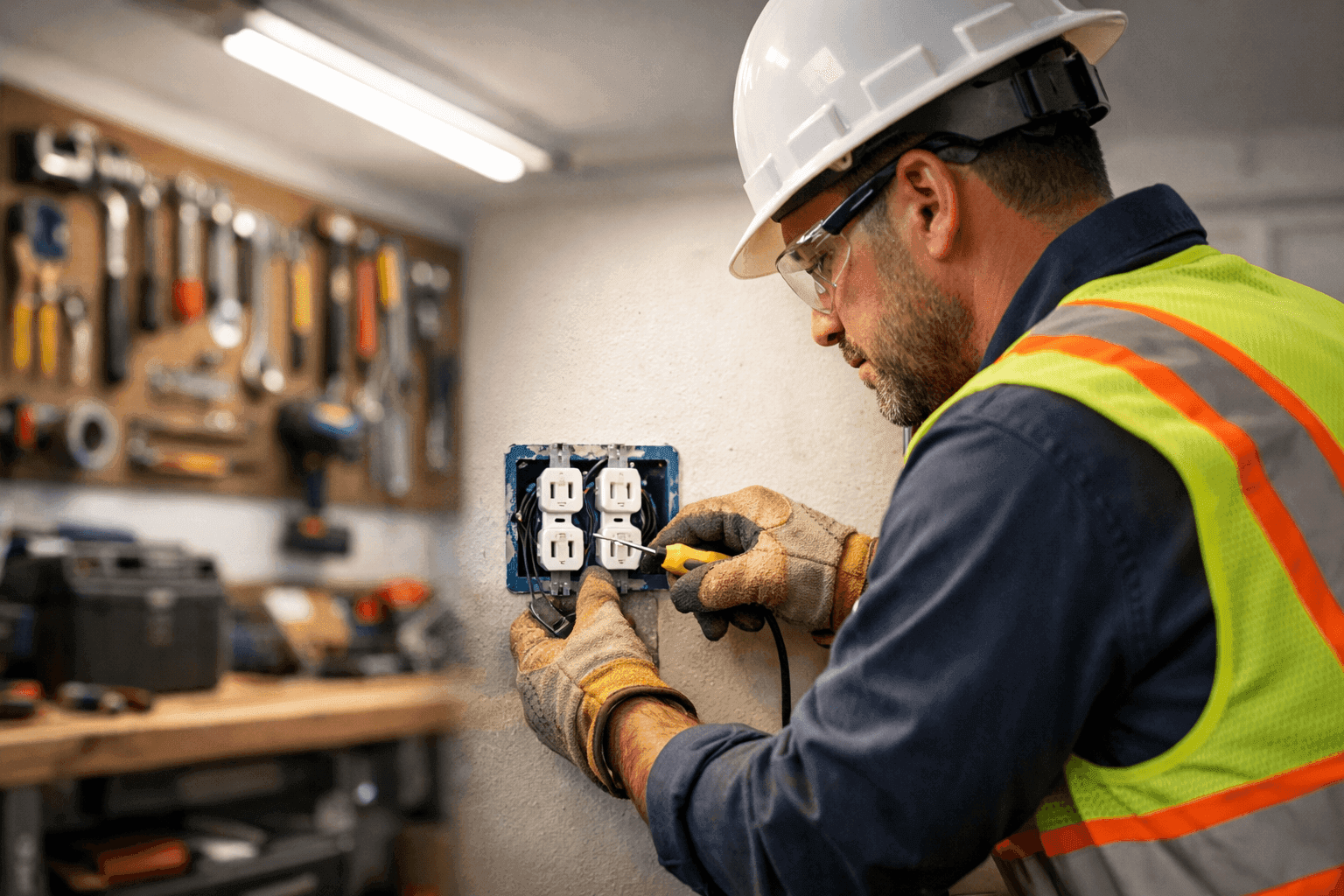
Is your garage ready to fuel your creativity—or is it stuck in the dark ages? Whether you’re dreaming of a woodworking haven, a car tinkering zone, or a maker’s retreat, powering it all safely is key. A humming garage workshop starts with smart planning, grounded in real-world safety and electrical know-how.
At Lighteq Electric, we see garages transformed every week. We know the thrill of firing up a new tool—matched only by the frustration of a tripped breaker or flickering bulb. Let’s break down how to upgrade your workshop’s electrical system safely, efficiently, and with confidence.
Power Needs for Workshops: Planning for Every Project ⚡
Every tool tells its own story. Some whisper—like a soldering iron. Others roar, drawing heavy amps, like table saws, welders, or air compressors. Before installing outlets or running new wires, take stock:
- List every tool and machine you plan to use—now and in the future.
- Check the voltage and amperage requirements on their labels.
- Factor in “startup surges”—tools often use more power when turning on.
- Don’t forget climate control: heaters, air conditioners, or fans can push circuits to their limits.
A typical garage circuit may only handle 15 or 20 amps. For serious projects, you might need dedicated 20A or even 30A circuits. Sometimes, a full subpanel brings peace of mind and extra capacity.
Wiring and Outlet Options: The Right Connection for Every Tool
The backbone of a safe workshop is its wiring. Do you need basic 120V outlets, or are some tools 240V beasts?
- Standard Outlets: Space them every 4-6 feet along benches. No more tangled extension cords.
- GFCI Protection: Garages can be damp. Ground Fault Circuit Interrupters are required by the National Electrical Code (NEC)—they sense and stop shocks.
- Dedicated Circuits: Heavy tools (like air compressors, welders, or saws) often need their own line.
- 240V Outlets: For welders, big compressors, or EV chargers.
When in doubt, call a professional electrician to size up your current panel and make a safe recommendation. Overloading wiring is like expecting a garden hose to fill a swimming pool—it just can’t keep up.
For more on custom wiring solutions, check out our machine wiring and wiring & circuits service pages.
Lighting Upgrades: See Every Detail Clearly 💡
Good lighting isn’t a luxury—it’s a workshop essential. Poorly lit spaces cause mistakes and eye strain. Here’s how to brighten up:
- Layered Lighting: Combine overhead LEDs with task lighting. Clamp-on lamps or under-shelf lights keep benches clear and shadows away.
- LED Advantage: LEDs run cool, sip electricity, and last for years.
- Switch Placement: Put switches where you enter and exit. No more fumbling in the dark.
- Motion Sensors: For hands-full moments and energy savings.
Consider color temperature too. Cooler (5000K) “daylight” bulbs mimic sunlight—perfect for detail work.
Safety and Code Tips: Protect Your Space and Yourself 🛑
Workshop safety isn’t just about goggles and gloves. Electrical hazards can lurk unseen. Here’s a quick checklist:
- GFCI Outlets: Required in garages (per NEC Article 210.8).
- AFCI Protection: Arc Fault Circuit Interrupters help prevent fires from faulty wiring.
- Proper Enclosures: Use weatherproof boxes if moisture is possible.
- Label Everything: Clearly mark breakers and circuits. In an emergency, seconds count.
- Stay Up to Code: The National Electrical Code (NEC) is updated every three years. Always follow the latest version—or better.
When in doubt, consult a licensed electrician. Lighteq Electric’s team follows all current code requirements for every job.
Quick Safety Checklist for Garage Workshops
Before flipping the switch on your new setup, run through this:
- Are all outlets GFCI-protected?
- Are extension cords temporary, not permanent?
- Is wiring free of damage or exposed splices?
- Is the electrical panel labeled and accessible?
- Are smoke and carbon monoxide detectors installed and working?
A safe workshop is a productive one.
DIY vs. Call a Pro: Knowing When to Get Help
Some upgrades—like swapping a light fixture—are within reach for confident DIYers. But running new circuits, installing subpanels, or wiring 240V outlets? That’s pro territory.
Why? Because hidden mistakes can spark fires, shock hazards, or costly code violations. It’s like building a treehouse—fun, until it collapses. When in doubt, bring in a certified electrician.
What Electricians Do On Arrival
A trusted electrician starts with a walkthrough. They’ll:
- Inspect your current panel, outlets, and wiring.
- Ask about your future tool and equipment plans.
- Check for code compliance and safety hazards.
- Recommend upgrades and explain costs clearly.
They’ll handle local permits and inspections, making sure your project is up to code and worry-free.
Prevention & Maintenance: Keep Your Workshop Running Smoothly
Regular checks can catch problems before they escalate:
- Test GFCI outlets monthly.
- Replace frayed cords immediately.
- Don’t ignore flickering lights or buzzing panels.
- Schedule periodic safety inspections—especially before adding new equipment.
Well-maintained wiring and outlets mean fewer surprises and safer projects.
Costs & Time Factors: What to Expect
Every garage is unique. Costs depend on:
- Panel capacity and age.
- Number of new circuits or outlets.
- Need for subpanels or high-voltage wiring.
- Material choices (standard vs. heavy-duty).
Simple upgrades—like extra outlets or lighting—may take a few hours. Full rewiring or subpanel installs can run a day or more. A reputable electrician will outline all expectations up front.
When It’s an Emergency: Signs You Shouldn’t Ignore
Some problems can’t wait:
- Burning smells from outlets or panels.
- Frequent breaker trips.
- Warm or discolored outlets.
- Shocks from tools or cords.
If you notice any of these, shut off power and call for emergency electrical service immediately.
FAQ: Common Workshop Electrical Questions
Q: Do I need a permit for garage wiring upgrades?
A: In most areas, yes. Permits ensure work meets safety and code standards.
Q: Can I use extension cords for power tools?
A: Only for temporary tasks. Permanent wiring is safer and required by code.
Q: What if my panel is full?
A: An electrician can add a subpanel for more circuits.
Q: How can I prevent power loss during storms?
A: Consider a backup generator or surge protection.
Seasonal Considerations: Weather and Your Garage
Cold winters and humid summers can strain electrical systems. Heaters, fans, and dehumidifiers need safe, dedicated circuits—especially in older garages. Inspect for rodent damage or moisture issues every season.
Common Mistakes: What Not to Do
- Overloading outlets with power strips.
- Ignoring buzzing sounds or flickering lights.
- Running cords under rugs or across doorways.
- Skipping permits or inspections.
Electrical shortcuts can cost you safety—and even your insurance coverage.
Signs of Trouble: When to Upgrade
- Circuit breakers trip often.
- Lights dim when tools start up.
- Outlets are hot to the touch.
- You rely on multiple extension cords.
- Your panel is older than 25 years.
Don’t wait for a failure. Proactive upgrades are safer and often more affordable.
Timeline & Disruption: How Much Will This Upset My Routine?
Most simple upgrades—extra outlets, lighting—are done in a day. Larger projects, like subpanels or rewiring, might mean a day or two of downtime. A skilled electrician keeps disruptions minimal and cleans up before leaving.
Materials & Equipment: Choosing the Right Stuff
- Use heavy-duty, outdoor-rated boxes and conduit where needed.
- Copper wiring is the standard for safety and reliability.
- LED fixtures save energy and last longer than old fluorescents.
- Always choose UL-listed parts to meet safety standards.
Final Thoughts: Build Your Dream Workshop, Safely
Upgrading your garage’s electrical system can open up a world of creative and practical possibilities. But every project starts with a safe foundation. From outlets to lighting, wiring to code, Lighteq Electric is here to help you power up your passion—without risking your safety.
Call Lighteq Electric now — or reach us anytime at 855-552-3493 .