How to Plan Electrical Upgrades for Major Home Additions
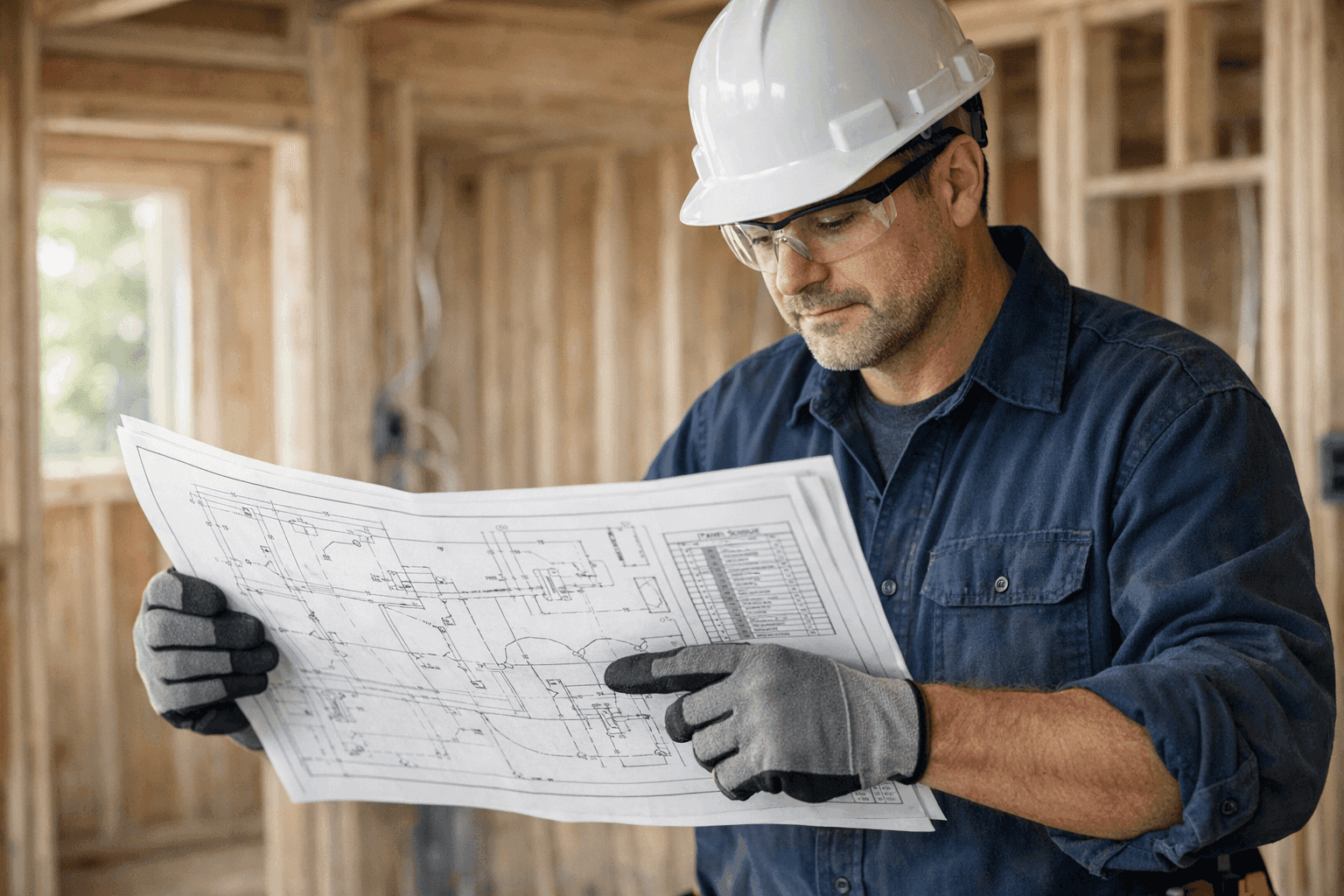
Adding new rooms or finishing a basement? Maybe building out that dream kitchen, or finally putting in a pool and spa? Each new space brings excitement—and a wave of electrical decisions. You want the lights on, the outlets where you need them, and everything running safely from day one.
At Lighteq Electric, we've powered everything from cozy family rooms to whole-home rewires. Planning electrical upgrades for major home additions isn’t just about stringing wires—it's about safeguarding your investment, your comfort, and your peace of mind.
Why Upgrades Are Needed for Home Additions ⚡
Imagine plugging in your new appliances, only to trip the breaker or dim the whole house. Older electrical systems often weren’t built for today’s power demands. Additions introduce new circuits, outlets, lighting, and sometimes big-ticket items like hot tubs or EV chargers. All this strains existing wiring and panels.
Here’s what’s at stake:
- Safety: Overloaded circuits can spark fires. Outdated wiring can shock or fail.
- Capacity: Modern living needs more juice—think devices, smart tech, and high-powered appliances.
- Code Compliance: Local and national codes (like the National Electrical Code, or NEC) change regularly for good reason—protecting your family and property.
- Resale Value: Upgrades mean your home is ready for its next chapter…or owner.
Skipping electrical upgrades for a new addition is like adding a second story to your house without strengthening the foundation. You might get away with it for a while, but problems are bound to surface.
Planning for Capacity and Safety
Let’s break it down. A good plan is like a roadmap: it helps you avoid wrong turns and dead ends.
Capacity First:
Start by adding up the electrical load your addition will require. List everything: outlets, lights, HVAC, specialty appliances, and smart home systems. The U.S. Department of Energy and the NEC offer guidelines for calculating load. Your electrician will use this info to decide whether your existing panel can handle the extra demand or if you’ll need an upgrade.
Safety Isn’t Optional:
Safety features like Ground Fault Circuit Interrupters (GFCIs) and Arc Fault Circuit Interrupters (AFCIs) are required in kitchens, bathrooms, and outdoor areas. Smoke and carbon monoxide detectors must be hard-wired, interconnected, and placed per code. Don’t skimp here—these aren’t just boxes to check; they save lives.
Think Ahead:
Planning a home addition is the perfect time to future-proof. Consider:
- Extra circuits for holiday lights, EV chargers, or a workshop.
- Pre-wiring for smart home tech, security, or home offices.
- Backup generator connections for peace of mind during outages.
Wiring and Panel Expansion
A home’s electrical panel is its heart. If yours is maxed out, a new addition might require a bigger panel—or even a subpanel dedicated to the new space.
Key Considerations:
- Wiring Type: Modern copper wiring is safer and more efficient than old aluminum. Plan for dedicated circuits for heavy-load appliances or entertainment systems.
- Routing: Your electrician will map out the best paths for wiring—avoiding plumbing, ensuring code-required clearances, and minimizing drywall cuts.
- Panel Upgrades: Sometimes, it’s not just about adding breakers. Older panels may lack space or safety features. Upgrading now saves headaches later.
For specialized areas—like a pool, spa, or outdoor kitchen—ask about [Pool & Spa Electrical near you] and dedicated weatherproof wiring. Lighteq Electric brings the know-how to every unique challenge.
Inspection and Code Compliance
No electrical project is complete without a final inspection. This isn’t just paperwork—it’s your assurance that everything meets the latest safety standards.
What to Expect:
- Permits: Your electrician handles these, ensuring your project is above board.
- Rough-In Inspection: Wiring is checked before walls are closed.
- Final Inspection: Switches, outlets, and fixtures are tested; GFCI/AFCI protection is verified.
The National Electrical Code (NEC) and local building departments set the rules. Inspections protect you, your home, and everyone who enters it.
Quick Safety Checklist Before Work Begins
- Are smoke and CO detectors planned for new spaces?
- Is your panel rated for the new load?
- Are outlets, lighting, and switches mapped out to avoid overloading?
- Have you budgeted for surge protection and backup power?
Small oversights can become big, expensive mistakes. Double-check with your electrician.
DIY vs. Call a Pro
Some projects are perfect for DIY—painting, landscaping, maybe assembling a bookcase. But electrical upgrades? That’s a different animal.
Why?
- Mistakes can cause fires, shocks, or insurance nightmares.
- Permits and inspections are required by law in most areas.
- Specialized tools and knowledge are essential for safe, lasting results.
Hiring a licensed electrician isn’t just smart—it’s often required. Lighteq Electric handles [electrical-system-design] and [wiring-and-circuits] so you can relax and enjoy your new space.
What to Expect When Pros Arrive
On day one, your electrician will:
- Review your plans and electrical needs.
- Inspect your existing panel and wiring.
- Advise on panel upgrades, circuit additions, or rerouting.
- Map out wire runs, outlet locations, and lighting layouts.
We’ll walk you through options—like dimmers, USB outlets, under-cabinet lighting, or smart switches—so your new space works the way you live.
Prevention & Maintenance: Setting Up for the Long Haul
After the dust settles, keep your electrical system in tip-top shape:
- Schedule regular electrical safety inspections.
- Test smoke and CO detectors monthly.
- Check GFCIs after storms or panel upgrades.
- Watch for flickering lights or warm outlets—signs of trouble.
Routine care keeps your system running smoothly and safely.
Costs & Timeline: What to Budget For
Every project is unique. But here’s what typically factors into the cost and timeline:
- Panel upgrades or subpanels
- Wiring and circuit runs
- Outlet and switch installations
- Lighting—fixtures, can lights, ceiling fans
- Smart home features and surge protection
- Permits and inspections
A small addition may take a few days. A whole-home upgrade or finished basement could span weeks. Plan for some disruption—power may be off in select areas during work.
When It’s an Emergency
Some upgrades can wait. Others—like flickering lights, sparking outlets, or constant breaker trips—mean you need help now. Electrical emergencies risk fire or injury.
Lighteq Electric offers 24-hour and emergency service. Never hesitate to call if you spot signs of trouble.
Seasonal Considerations for Electrical Upgrades
Winter additions need circuits for heating. Summer projects may demand outdoor outlets and weatherproofing. Plan for seasonal needs—like holiday lighting or pool pumps—so your new space is always ready.
Common Mistakes to Avoid
- Skipping permits or inspections.
- Overloading existing panels.
- Ignoring future needs—like EV chargers or home offices.
- Choosing the cheapest materials over quality.
A little foresight saves a lot of pain. Choose a licensed electrician who thinks ahead.
Signs of Electrical Trouble in New Additions
After your addition is complete, keep an eye out for:
- Warm, buzzing, or discolored outlets.
- Breakers that trip often.
- Flickering or dimming lights.
- Unusual smells (like burning plastic).
If you notice any of these, call a pro immediately.
Timeline & Disruption: What to Expect
Expect a bit of mess—cut drywall, open ceilings, workers coming and going. Good electricians clean up daily and keep you informed. Most work can be phased to minimize disruption, especially in lived-in homes.
Materials & Equipment: What Goes Into an Upgrade
Every job calls for:
- Copper wiring (avoid aluminum in modern upgrades)
- High-quality breakers and panels
- GFCI/AFCI outlets
- Tamper-resistant outlets (especially if you have kids)
- Weatherproof boxes for outdoor circuits
- Conduit for exposed wiring
Ask your electrician about brands and materials—they matter for safety and longevity.
Choosing the Right Electrician Company
Big upgrades require trust. Look for a fully licensed, insured electrician with experience in home additions and [Wiring & Circuits] in Charlottesville. This ensures your project is handled safely and efficiently from start to finish.
FAQ: Your Electrical Upgrade Questions Answered
Q: How do I know if I need a panel upgrade?
A: If your panel is older, often full, or can’t support your new circuits, you’ll need an upgrade.
Q: Can I add outlets or lighting without rewiring?
A: Sometimes, but most additions benefit from new circuits to avoid overloading.
Q: Do I need permits?
A: Yes—electrical work typically requires permits and inspections for safety and insurance compliance.
Q: How do I future-proof my new space?
A: Add extra circuits, pre-wire for smart tech, and consider surge protection or generator hookups.
Ready to power up your new space with confidence? Call Lighteq Electric now — or reach us anytime at 855-552-3493 .