How to Plan and Install Dedicated Circuits for Appliances
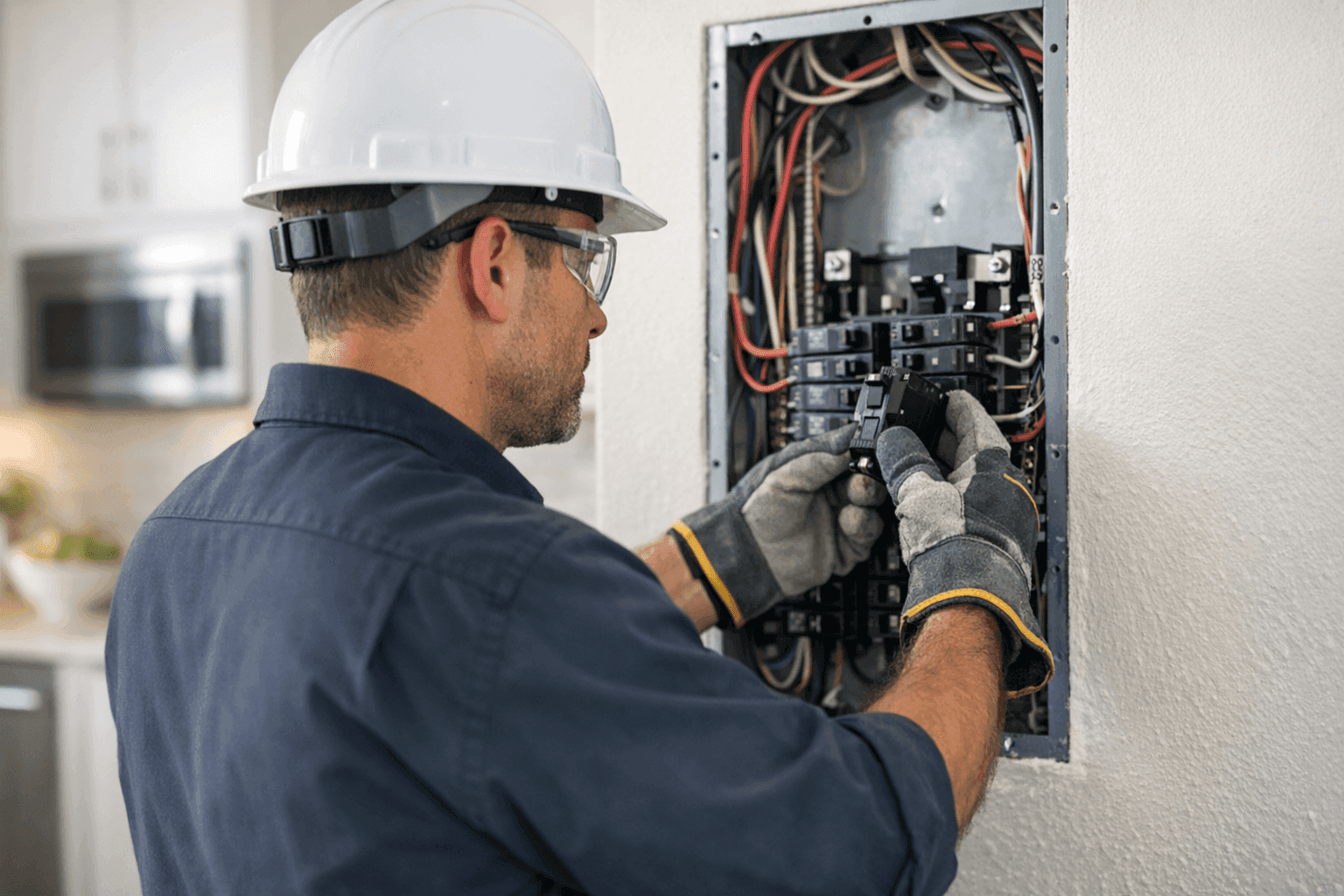
Every home is a collection of comfort, convenience, and connection. But behind the hum of your fridge and the steady whir of your dryer, there’s an invisible lifeline: your wiring. When you add new appliances—a double oven, a pool pump, or even an EV charger—the right circuit makes all the difference. One wrong move, and it’s like plugging a garden hose into a fire hydrant. Things can go wrong. Fast.
At Lighteq Electric, we’ve seen it all. Years of tackling appliance wiring, from kitchen remodels to pool & spa electrical near you, have taught us where safety starts: dedicated circuits. Let’s walk through what you need to know to keep your home safe, efficient, and ready for the future.
What Is a Dedicated Circuit? ⚡
Think of a dedicated circuit as a private lane on a busy highway. It’s a line of wiring and a breaker set aside for just one appliance—no piggybacking, no sharing, no surprise detours. This lane keeps power steady for appliances that pull a lot of juice: your oven, your washing machine, your garage freezer.
Why does this matter? When circuits share too much, breakers trip, wires heat up, and appliances sputter or fail. The National Electrical Code (NEC) requires dedicated circuits for many household appliances, especially those with motors or heating elements. It’s not just a suggestion. It’s safety.
Which Appliances Need One?
You’d be surprised how many do. Here’s a quick list:
- Refrigerators and freezers
- Electric ovens and ranges
- Microwaves (over a certain wattage)
- Dishwashers and garbage disposals
- Washers and dryers
- Air conditioners and heat pumps
- Water heaters
- Pool & spa pumps
- EV chargers
Each of these is like a heavyweight in the ring. They need their own space—electrically speaking—to perform safely and efficiently.
Why Overloading Is a Hidden Danger
It’s tempting to add “just one more” gadget to an existing outlet. But overloading a circuit is like stacking too many plates on a shelf: eventually, something gives. Overloaded circuits can cause:
- Tripped breakers (annoying)
- Melted wires behind your walls (invisible)
- Electrical fires (devastating)
The U.S. Fire Administration (USFA) reports thousands of home electrical fires start this way each year. Don’t let your home become a statistic.
Sizing and Installation: Getting It Right
Not all circuits are created equal. Sizing depends on the appliance’s amperage and voltage needs. Installing a circuit that’s too small is like trying to fill a pool with a straw. Too big, and you risk skipping essential safety stops.
A licensed electrician calculates:
- Appliance load (amps/watts)
- Wire gauge (thickness)
- Circuit breaker size
The NEC offers guidelines, but every home is unique. For example, most kitchen ovens need a 240-volt, 40- or 50-amp circuit with dedicated wiring and a matching breaker. Laundry rooms, home offices, and garages have their own needs. When in doubt, ask.
Safety and Code Compliance: The Non-Negotiables 🛑
Electrical codes aren’t just red tape—they’re the guardrails that keep your family safe. The NEC updates every three years, and local codes may add more layers. Inspections by a qualified electrician ensure:
- Proper grounding and bonding
- Correct breaker and wire size
- GFCI/AFCI protection where required
- Safe outlet placement
Skipping permits or inspections can void insurance or resale value. Even small mistakes can have big consequences. Always follow the rules; they’re written in hard-won experience.
Quick Safety Checklist
Before powering up any new appliance, run through this:
- Is the appliance on its own breaker?
- Is the circuit properly labeled in your panel?
- Are outlets and switches cool to the touch?
- Are cords and plugs undamaged?
- No “daisy-chained” power strips or extension cords?
If you’re unsure, pause. Electrical safety is always worth a second look.
DIY or Call a Pro?
Wiring a dedicated circuit isn’t like changing a lightbulb. It’s more like rerouting plumbing inside your walls—mistakes can be costly, or even dangerous.
DIY might be tempting for small projects, but for new appliances, high-voltage wiring, or anything involving your breaker panel, it’s safer to call a professional electrician. At Lighteq Electric, we handle everything from wiring-and-circuits to panels-and-breakers, ensuring every connection is secure and up to code.
What Happens When the Pros Arrive
Expect a thorough process:
- Assessment—We review your panel, wiring, and appliance specs.
- Planning—We determine the best route for new wiring, minimizing wall disruptions.
- Installation—We run new wires, install breakers, and test everything.
- Inspection—We ensure compliance with local and NEC codes.
- Clean-Up—We leave your home as tidy as we found it.
Peace of mind starts here.
Prevention and Maintenance
A dedicated circuit is only as good as its upkeep. Periodically:
- Check breaker labels and operation
- Test GFCI/AFCI outlets
- Listen for buzzing, popping, or sizzling sounds near outlets or panels
- Schedule regular electrical safety inspections
Catching small issues early keeps your appliances—and your home—protected.
Costs and Time Factors
Every project is unique. Costs depend on:
- Distance from panel to appliance
- Type of wiring needed
- Complexity of installation (finished walls, crawl spaces, etc.)
- Number of circuits
Most dedicated circuit installs for common appliances can be completed in a day. Larger projects (like pool & spa electrical or EV chargers) may take longer.
When It’s an Emergency
If you notice:
- Burning smells from outlets or panels
- Flickering lights when appliances run
- Warm or sparking outlets
Shut off power at the breaker and call an electrician immediately. Emergencies don’t wait—neither do we.
Common Mistakes to Avoid 🚫
- Using undersized wire or breakers
- Sharing a circuit between appliances
- Ignoring code updates
- Skipping permits or professional inspections
A shortcut today can become a headache tomorrow.
Signs It’s Time to Upgrade
- New appliance installations
- Frequent breaker trips
- Outlets that spark, buzz, or feel warm
- Renovations or home additions
- Insurance or home inspection requirements
Upgrading isn’t just about today—it’s about future-proofing your home.
Timeline and Home Disruption
Worried about holes in your walls or days without power? Most dedicated circuit installations cause minimal disruption. Our team at Lighteq Electric uses careful planning, clean work habits, and efficient tools to keep your life running smoothly.
Materials and Equipment
We use only high-quality materials—UL-listed breakers, copper wiring, and approved boxes. No cut corners. No second guesses.
Frequently Asked Questions
Do I need a permit for a dedicated circuit?
In most areas, yes. Permits and inspections ensure your installation meets code and keeps your home safe.
Can I use an extension cord instead?
Never for permanent appliances. Extension cords are a temporary fix and can overheat, causing fire hazards.
Will this affect my home insurance?
Code-compliant, permitted work may lower risk and help with insurance claims. Always check with your provider.
Future-Proof Your Home
As appliances get smarter and more powerful, proper wiring becomes even more essential. Thinking about a kitchen upgrade, new pool, or EV charger? Plan your circuits now. Stay ahead of the curve.
For homeowners in the area, our Wiring & Circuits team is ready to help you upgrade safely and efficiently.
Ready to protect your appliances, your home, and your peace of mind? Call Lighteq Electric now — or reach us anytime at 855-552-3493 .