How to Plan and Install Electrical Upgrades for Smart Kitchens
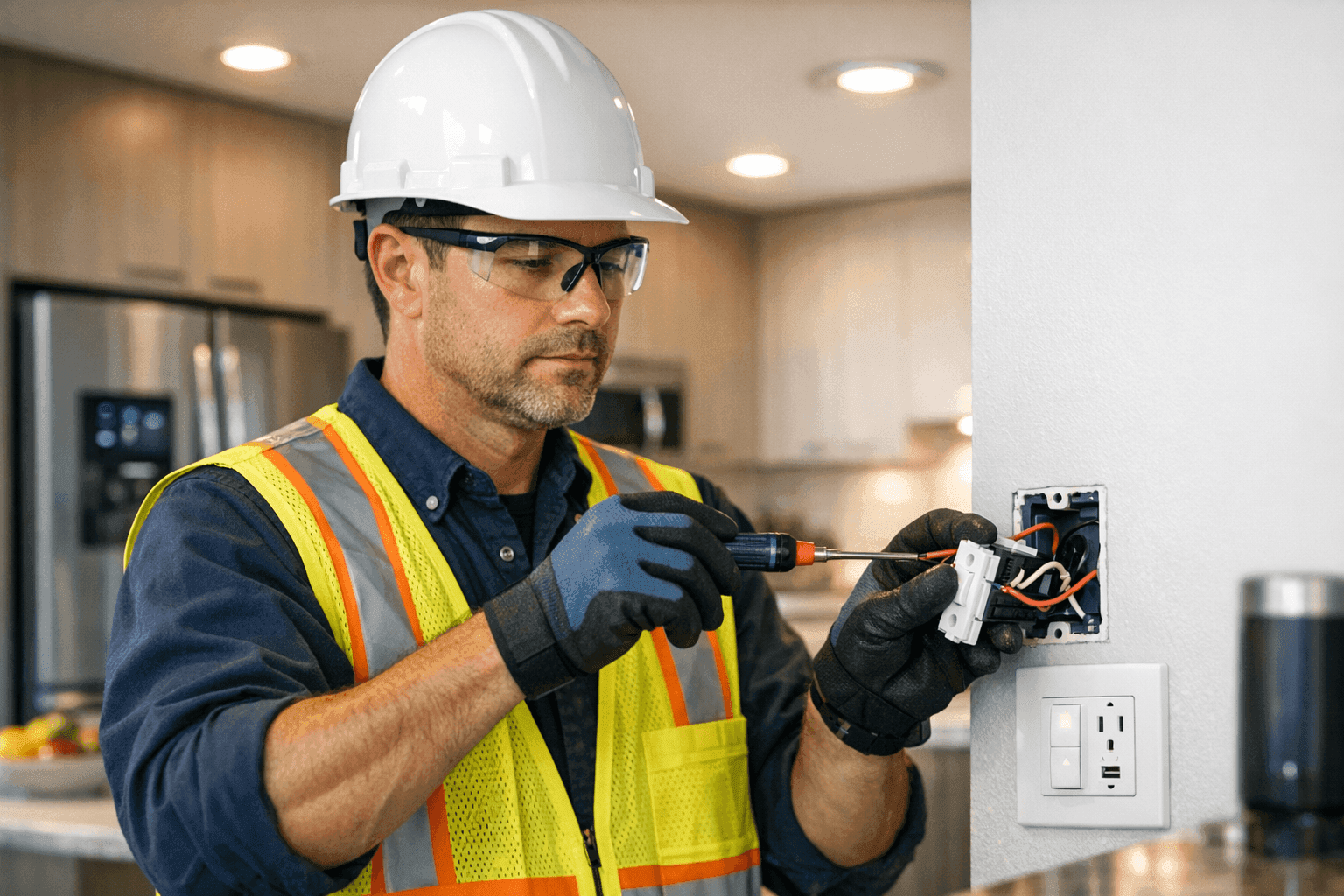
Is your kitchen ready for a high-tech makeover? The modern kitchen is the heart of the home, pulsing with smart appliances, mood lighting, and sleek automation. But before you plug in that new smart fridge or voice-activated faucet, your electrical system needs to be up to the task.
Fumbling with overloaded outlets or flickering lights can turn cooking into chaos. At Lighteq Electric, we help homeowners create kitchens that are both dazzling and safe. Here’s how to plan and install electrical upgrades for a smart kitchen that really cooks.
Smart Kitchen Features: What’s Worth the Upgrade? 🏡
Today’s “smart kitchen” is more than just gadgets. It’s a system working in harmony:
- Voice-controlled lighting and thermostats
- Wi-Fi-enabled ovens and refrigerators
- Smart plugs for coffee makers and slow cookers
- Built-in charging stations and under-cabinet outlets
- Seamless integration with security cameras and doorbells
Smart features make life easier, but each device adds to your kitchen’s electrical load. Planning is key. Imagine your kitchen as a busy highway—too many cars (devices) can cause gridlock (tripped breakers), unless the road (wiring) is designed for it.
Quick Safety Checklist Before You Start
Never skip safety. Before your electrician begins, check:
- Your panel has capacity for new circuits
- Existing wiring is up to code (NFPA 70: National Electrical Code)
- All outlets near water are GFCI-protected
- No visible damage to wires, outlets, or switches
- Smoke and carbon monoxide detectors are current
If you spot problems, hit pause and call a licensed electrician. Electrical upgrades aren’t a job for guesswork.
Wiring and Outlet Upgrades for Smart Kitchens
Smart appliances demand more power and smarter wiring. Here’s what to consider:
- Dedicated circuits: Large appliances (ovens, dishwashers, microwaves) need their own circuits.
- AFCI and GFCI outlets: Required by code for kitchens—protect against arc faults and shocks.
- USB and smart outlets: Future-proof your space for charging devices and smart plugs.
- Convenient placement: Plan outlets for islands, countertops, and inside cabinets.
Don’t forget hidden risks. Old wiring can’t always handle modern loads. An electrical safety inspection will reveal if you need to rewire or upgrade your panel. Our installations service covers code-compliant wiring and safety checks.
Lighting and Controls: Setting the Mood and Saving Energy 💡
Good lighting transforms a kitchen from ordinary to inviting. Smart lighting control lets you set the scene for any occasion—cooking, dining, or late-night snacking.
- Dimmable LEDs: Long-lasting, energy-saving, and perfect for under-cabinet or pendant lights.
- Motion sensors: Lights up workspaces as you move, saving energy.
- Voice or app control: Adjust brightness or color hands-free.
- Zoned circuits: Separate switches for prep, dining, and accent areas.
Keep lighting circuits separate from appliance loads. This prevents flickers or dimming when heavy appliances start up. If you’re looking for ideas, our lighting specialists can guide you through options for both style and function.
Power for Appliances: Planning for Today and Tomorrow
Every kitchen has its power-hungry stars:
- Induction cooktops
- Double ovens
- High-wattage microwaves
- Smart refrigerators and wine coolers
Each needs enough power—and the right plug. Many smart appliances draw more current than old models. Upgrading circuits, adding outlets, and checking breaker capacity are all part of the plan.
Think ahead. Leave space in your panel for future additions, like an EV charger in the garage or a backup generator for storm season.
DIY vs. Call a Pro: Know When to Step Back
Some tasks, like swapping out a light bulb or installing a plug-in device, are safe DIY projects. But most electrical upgrades—new circuits, GFCI installation, panel work—are best left to a licensed electrician. Mistakes can cause fires, shocks, or costly damage.
Lighteq Electric’s team follows all local and national codes, so your kitchen upgrades are safe and reliable.
What an Electrician Does on Arrival
When you call for an upgrade, here’s what to expect:
- Full inspection of your panel, wiring, and outlets
- Load calculations to prevent overloads
- Recommendations for optimal outlet placement
- Code-compliance checks (per NEC and local requirements)
- Safe, clean installation—no shortcuts
We handle everything, from initial safety checks to final walkthrough.
Prevention & Maintenance: Keeping Your Smart Kitchen Safe
Regular maintenance keeps your investment safe:
- Test GFCI outlets monthly
- Replace worn cords and plugs
- Schedule yearly electrical safety inspections
- Keep appliances clean and dry
- Don’t overload power strips or circuits
A well-maintained kitchen is a safer, happier place to gather.
Costs & Timeline: What to Expect
Every kitchen is unique, so costs vary. Factors include:
- Number and type of smart appliances
- Need for new circuits or panel upgrades
- Lighting complexity and controls
- Age and condition of existing wiring
Most upgrades take a day or two, but full rewiring may require more. Budget for peace of mind—cutting corners isn’t worth the risk.
When It’s an Emergency: Signs You Need Help Now
Call an electrician immediately if you notice:
- Burning smells or sparking outlets
- Breakers tripping repeatedly
- Flickering lights, especially with new appliances
- Warm or discolored outlets
These are signs of dangerous wiring issues. Don’t wait—get help right away.
Common Mistakes in Kitchen Electrical Upgrades
Avoid these pitfalls:
- Using the wrong size wire or breaker
- Overloading outlets with adapters
- Skipping GFCI protection near sinks
- DIY work without permits or inspections
Electrical codes exist for your safety. Following them isn’t optional.
Signs Your Kitchen Needs an Upgrade
How do you know it’s time? Watch for:
- Not enough outlets for your devices
- Flickering or dimming lights
- Old, two-prong outlets
- Breakers that trip too easily
If these sound familiar, it’s time to call Lighteq Electric.
Timeline & Disruption: Planning for Installation
Worried about mess or downtime? Most electrical upgrades can be done with minimal disruption. Clear the workspace, protect surfaces, and plan for short power outages. Your electrician will walk you through the process, so you know what to expect.
Materials and Equipment: What’s Used?
We use:
- Copper wiring (for conductivity and safety)
- Tamper-resistant, GFCI, and AFCI outlets
- LED fixtures and smart switches
- Upgraded panels and breakers
- Low-voltage cabling for data and controls
All materials meet or exceed code standards.
Authority and Code Compliance: Why It Matters
Electrical codes (like the NEC) aren’t just red tape. They keep your family safe and your home insurable. Our electricians stay current on all requirements, so your upgrades pass inspection and stand the test of time.
For homeowners searching for “Pool & Spa Electrical near you” or kitchen upgrades, choosing a licensed electrician is always the smart move. For those in Arkansas, our team is the go-to electrician company in Rogers for safe, high-tech kitchen installations.
FAQ: Smart Kitchen Electrical Planning
Q: Do I need a new electrical panel for smart appliances?
A: Not always, but many older homes require a panel upgrade for increased load and safety.
Q: How many outlets should a modern kitchen have?
A: The NEC requires outlets every 4 feet along countertops—more if you add appliances or charging stations.
Q: Can I add smart features later?
A: Yes! Plan wiring and extra circuits now for easy upgrades in the future.
Ready to Get Started?
A smart kitchen should be safe, efficient, and ready for anything life throws at it. Let Lighteq Electric handle your kitchen’s electrical transformation the right way.
Call Lighteq Electric now — or reach us anytime at 855-552-3493 .