How to Plan and Install Emergency Lighting for Home Safety
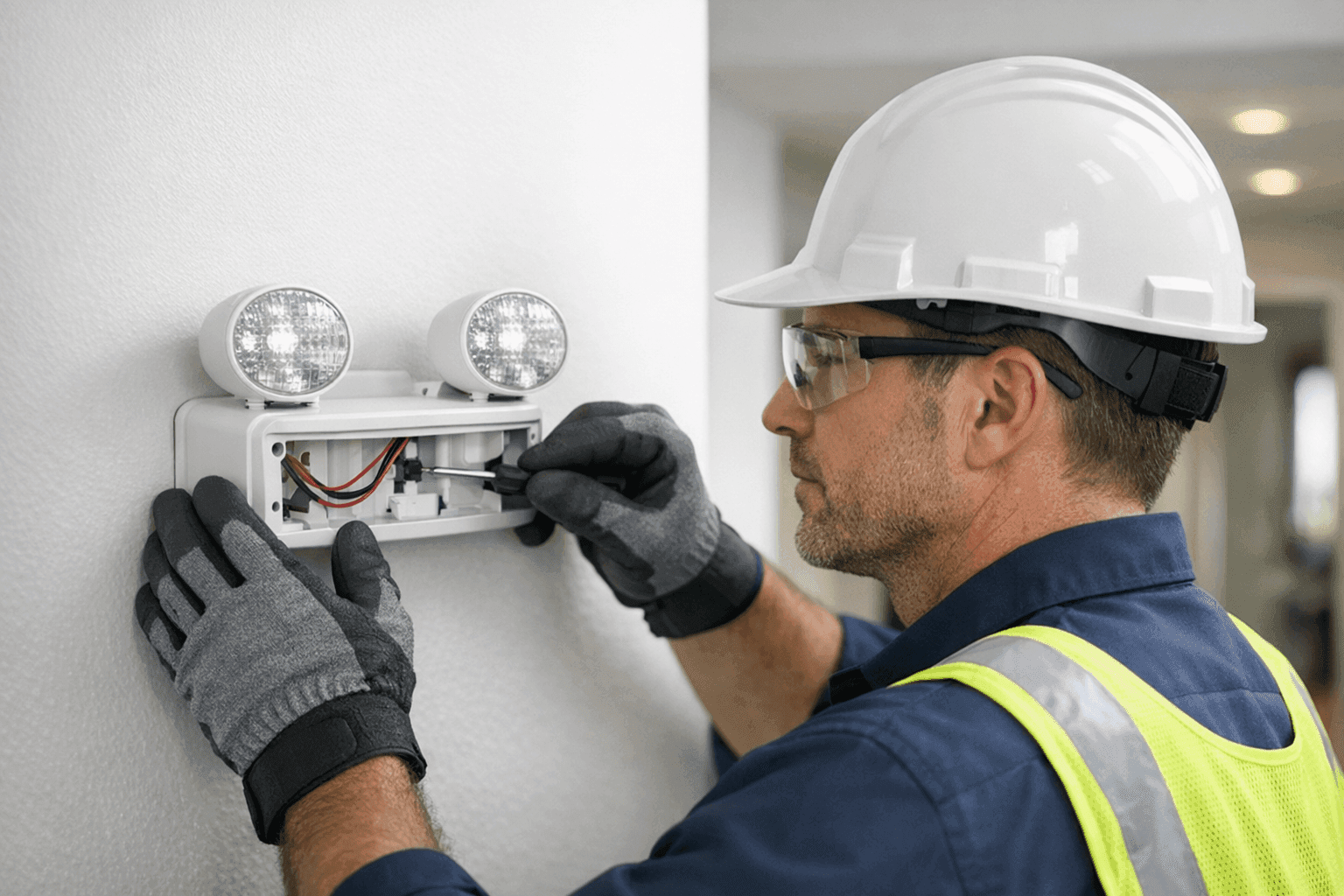
When the lights go out, panic can set in fast. Hallways fade to black. Stairs become hazards. Your home, usually a safe haven, suddenly feels like an obstacle course.
At Lighteq Electric, we know the peace of mind that comes with being prepared. Emergency lighting isn’t just for businesses or public buildings. It’s a vital part of home safety—keeping your family secure and your path clear when you need it most.
Why Emergency Lighting Matters ⚡
Imagine a storm rolling in, taking the power with it. Or a circuit breaker tripping at midnight. Suddenly, you’re moving in the dark, searching for flashlights or candles. That’s where emergency lighting steps in—like a lighthouse guiding you safely home.
Proper emergency lighting helps prevent trips, falls, and confusion. It illuminates escape routes and critical areas, making sure you’re not left fumbling in the shadows when every second counts. For families, especially with children or elderly members, these lights are not a luxury—they’re a lifeline.
Regulations from the National Fire Protection Association (NFPA) and the National Electrical Code (NEC) underscore just how important it is to have code-compliant, well-placed emergency lighting.
Types of Home Emergency Lighting
Every home is different. So is the best emergency lighting setup.
Here are a few common options:
- Battery-Backup Lights: Mounted fixtures that automatically turn on when the power goes out. Reliable, and often required by code for certain areas.
- LED Emergency Bulbs: Screw into standard sockets and double as regular lighting—until they switch to battery mode during outages.
- Plug-In Rechargeable Lights: Portable and versatile, perfect for closets, basements, or hallways.
- Integrated Smart Lighting: Connects with your home automation system, allowing remote control and scheduling for added convenience.
- Exit Signs and Pathway Markers: Usually seen in commercial spaces, but increasingly popular in larger homes or for those with multiple floors.
Each has its place. The key is matching your needs to the right solution—and ensuring everything is installed correctly by a certified electrician.
Placement and Code Requirements
Think of emergency lighting as your home’s safety net. Where would you most need to see during a blackout? Focus on:
- Hallways and Stairwells: Main routes for evacuation.
- Exits: Doors leading outside must be clearly lit.
- Bedrooms: Especially important for children or anyone with mobility concerns.
- Kitchens and Living Areas: Where accidents are more likely in the dark.
- Basements and Utility Rooms: High-risk during outages.
The NEC and local building codes lay out specific placement rules—like minimum illumination levels and battery backup duration. Always verify requirements for your region before starting work. For those near Green Bay, our electrician company is always up to date on the latest code updates and best practices.
Quick Safety Checklist
Before you start, ask yourself:
- Do I have clear, accessible escape routes?
- Are there areas where tripping hazards exist in the dark?
- Is my electrical panel easy to reach, even with no lights?
- Have I checked the age and reliability of my current smoke and carbon monoxide detectors?
Running through this checklist can highlight places where emergency lighting is most needed.
DIY vs. Calling an Electrician
Some projects look simple at first. Swapping a bulb? Maybe. Installing wired, code-compliant emergency fixtures? That’s a different ballgame.
DIY can be tempting, but the risks are real:
- Incorrect wiring can cause failures when you need lights most.
- Non-compliance with code may void insurance or create hazards.
- Battery-backup systems require proper integration with your home’s electrical system.
A licensed electrician brings more than just tools—they bring peace of mind, and ensure your system is safe and legal.
What Certified Pros Do on Arrival
When you call Lighteq Electric, here’s what we do:
- Assessment: We walk your home, noting exits, stairs, and high-traffic areas.
- Code Review: We check local and national codes to ensure compliance.
- Customized Plan: We recommend fixtures and placements tailored to your layout.
- Professional Installation: Safe, clean, and efficient work—no shortcuts.
- Testing: We simulate outages to confirm everything works as it should.
Our team is fully certified for all types of lighting and emergency service.
Step-by-Step: Installation Essentials
If you want to understand the process, here’s how it typically goes:
1. Plan Your System
Map your home. Mark exits and key routes. Decide on fixture types and locations. Review NEC Article 700 and consult your local building authority if you’re unsure.
2. Choose the Right Fixtures
Select UL-listed, battery-backed lights for critical areas. Choose LED emergency bulbs for bedrooms and common spaces. Consider integrated smart options for flexibility.
3. Prepare Your Wiring
If new circuits are needed, or if you’re upgrading panels, this is not the time to cut corners. Always shut off power before working, and use appropriate safety gear.
4. Install Mounts and Fixtures
Follow manufacturer instructions. Secure all wiring connections. Ensure fixtures are not obstructed by furniture or doors.
5. Test and Inspect
Simulate a power outage. Walk your evacuation routes. Confirm that every light activates and provides enough illumination. Replace batteries as needed.
6. Document and Label
Label breakers and emergency lighting circuits for quick identification. Keep manuals and inspection logs handy.
Prevention & Maintenance Tips
Emergency lighting is only as good as its upkeep. Batteries degrade over time. Bulbs burn out.
- Test your system every 30 days.
- Replace rechargeable batteries at least every 3–5 years.
- Dust fixtures and keep them free of obstructions.
- Schedule annual inspections with a certified electrician.
Costs & Time Factors
Costs vary based on home size and the number of fixtures. Battery-backup lights and installation can range from modest to significant, depending on wiring needs.
Timewise, most homes can be equipped in a day or two. Scheduling with a professional ensures minimal disruption and a safe, seamless installation.
When It’s an Emergency
If your home loses power and you don’t have emergency lighting, use flashlights or battery-powered lanterns as a stopgap. Never use candles near flammable materials. Consider calling for emergency service if you suspect a wiring fault.
Common Mistakes to Avoid
- Overlooking key escape routes.
- Failing to test systems regularly.
- Using non-UL-listed products.
- Ignoring code requirements.
- Skipping professional installation for complex systems.
Each of these can spell trouble when you need your lights most.
Seasonal Considerations
Winter storms, summer thunderstorms, and even construction season can all lead to unexpected outages. Review your emergency lighting as part of your seasonal home maintenance. Replace batteries before storm season and check for water damage after heavy weather.
Signs of Trouble
Flickering lights. Dim illumination. Beeping from battery units. These are all signs your system needs attention. Don’t wait for an emergency—address issues as soon as they appear.
Timeline & Disruption
Worried about mess or disruption? Most installations are tidy and quick. Our team works efficiently, cleaning up as we go and minimizing time in your space.
FAQ: Your Emergency Lighting Questions Answered
Do I need emergency lighting in every room?
Focus on escape routes, exits, and areas with high risk of accidents.
Can I use smart bulbs for emergency lighting?
Some smart bulbs offer battery-backup features, but always check for code compliance.
How long will my emergency lights stay on?
Most battery-backup units provide at least 90 minutes of illumination, per code.
Do I need a permit?
Often yes, especially for wired installations. Always check with your local building department.
Authoritative Resources
- National Electrical Code (NEC)
- National Fire Protection Association (NFPA 101: Life Safety Code)
- U.S. Consumer Product Safety Commission
Ready to Step Out of the Dark?
Don’t leave your family’s safety to chance. Whether it’s new installation, a system upgrade, or a code-compliance check, Lighteq Electric is here to help.
Call Lighteq Electric now — or reach us anytime at 855-552-3493 .