How to Plan and Install High-Voltage Wiring for Home Projects
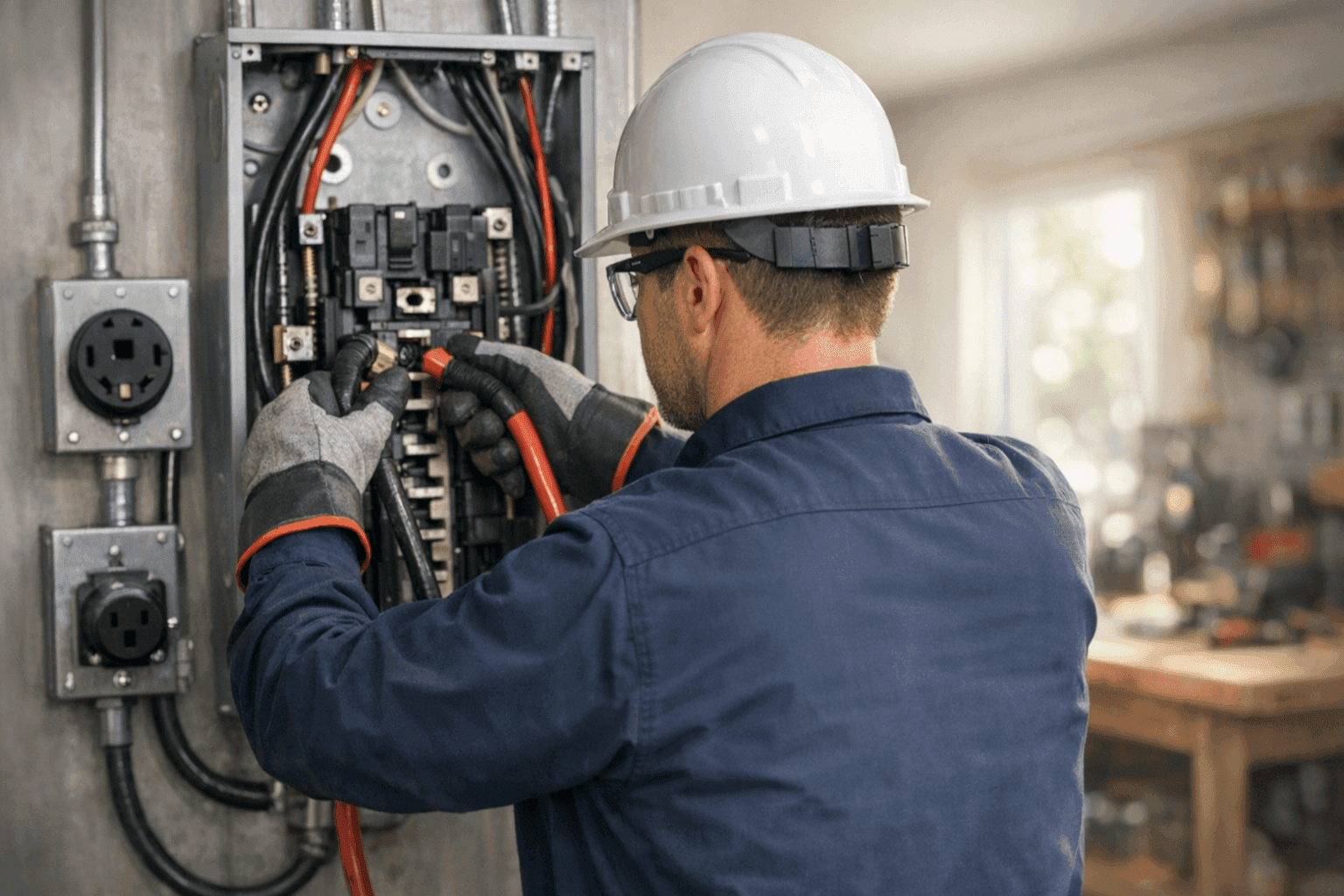
Thinking about adding a new workshop, pool, or electric vehicle charger to your home? High-voltage wiring is the backbone that makes those big dreams possible. But with great power comes great responsibility—and real risk if it’s not done right.
At Lighteq Electric, we understand how important safety, reliability, and professional installation are for projects that demand serious power. Here’s what you need to know before tackling high-voltage wiring in your home.
What Is High-Voltage Wiring? ⚡
High-voltage wiring isn’t just “heavy-duty.” It’s the muscle that runs big equipment—think hot tubs, EV chargers, large appliances, and home workshops. In homes, “high-voltage” usually means circuits rated over 120 volts, typically 240 volts and up.
This isn’t the wiring behind your standard outlet or lamp. High-voltage circuits carry more energy and, if mishandled, can cause severe injury, fires, or costly electrical damage.
Common uses for high-voltage wiring in homes:
- Pool & Spa Electrical
- Electric Vehicle (EV) Chargers
- Ovens, dryers, and large kitchen appliances
- Workshop equipment and heavy tools
- Backup Generators and whole-home surge protection
Safety and Code Requirements
You can’t cut corners with high-voltage work. There’s a reason why it’s tightly regulated by the National Electrical Code (NEC) and local building authorities. Licensed electricians train for years to handle these projects safely.
Key safety rules:
- Always turn power off at the main panel before starting any work.
- Use only approved, code-compliant materials and wiring rated for the intended load.
- Secure permits and required inspections before, during, and after installation.
- Never attempt high-voltage work without proper training—it’s not worth the risk.
For more details, check the National Fire Protection Association (NFPA) NEC guidelines.
Quick Safety Checklist
Before starting any high-voltage electrical project, run through this checklist:
- Power is shut off at the main breaker.
- All tools and protective gear are rated for high-voltage use.
- The right type and gauge of wire is selected for the load.
- Outlets, switches, and panels are all rated for the voltage and amperage.
- You have the required permits.
- Smoke & carbon monoxide detectors are operational nearby.
If you have any doubts, call a licensed electrician. Safety comes first—always.
Planning High-Voltage Projects
A successful high-voltage installation starts on paper. Planning is the foundation that keeps your home safe and futureproof.
Steps to plan your project:
- Identify your needs. What are you powering? A new hot tub? An EV charger? List all equipment and check their voltage and amperage requirements.
- Check your panel capacity. Your electrical panel must handle the new load. Sometimes, an upgrade is needed.
- Map the wiring route. Shorter runs are more efficient, but safety and access come first.
- Account for future expansion. If you might add more equipment later, size up the wiring now.
- Budget for permits and inspections. These aren’t just legal hoops—they protect your investment.
DIY vs. Call a Pro
High-voltage wiring isn’t a DIY-friendly weekend project. Even experienced homeowners can miss critical details that put safety at risk.
DIY Risks:
- Fire hazards from improper connections
- Risk of electric shock or electrocution
- Code violations that can void insurance or home sales
Hiring a professional electrician means peace of mind. Licensed pros know the codes, have the right tools, and understand how to troubleshoot surprises behind your walls.
What Pros Do On Arrival
When a Lighteq Electric technician arrives, they’ll:
- Review your project needs and equipment specs
- Inspect your home’s main panel and grounding
- Assess wiring routes for safety and code compliance
- Explain the process and timeline so you know what to expect
They’ll also double-check everything before powering up. No guesswork.
Installation Steps
Here’s how a professional typically handles high-voltage wiring installation:
- Power Off: Shut down the main panel and verify all circuits are dead.
- Routing the Wire: Securely run wire through approved conduit, avoiding sharp bends and heat sources.
- Panel Work: Install new breakers or subpanels, sized for the load.
- Connections: Make connections at both the panel and the destination (appliance, outlet, or equipment).
- Inspection: Test all connections, check for proper grounding, and restore power.
- Final Testing: Verify voltage, check all outlets/switches, and ensure equipment operates safely.
Every step follows NEC and local codes. No exceptions.
Prevention & Maintenance
Once installed, high-voltage circuits need routine checks. Schedule regular electrical safety inspections—especially if you notice flickering lights, tripped breakers, or outlets that feel warm.
A little maintenance now prevents big headaches later.
Common Mistakes to Avoid
Even a tiny error with high-voltage wiring can create a major problem. Here are some common mistakes:
- Using undersized wire
- Skipping ground connections
- Ignoring code requirements for wet locations (like pool & spa wiring)
- Overloading a circuit
- Failing to get proper permits and inspections
Letting a licensed electrician handle the job is the best way to sidestep these pitfalls.
Signs of Trouble
Watch for these red flags after installation:
- Buzzing or humming from panels or outlets
- Breakers that trip repeatedly
- Burn marks or discoloration around outlets
- Equipment that won’t power up or behaves unpredictably
If you spot any of these, shut off power and call Lighteq Electric right away.
Timeline & Disruption
Most high-voltage home projects take a day or two, depending on complexity and inspection schedules. Some work—like panel upgrades or long wiring routes—can take longer.
Expect some power interruptions and minor wall repairs (for hidden wiring). Plan ahead to minimize disruption.
Materials & Equipment
Quality materials are essential. Here’s what your electrician might use:
- Heavy-gauge copper or aluminum wire
- Approved conduit (PVC, EMT, or flexible as required)
- Weatherproof boxes for outdoor or wet locations
- UL-listed breakers, outlets, and switches
- Ground rods and bonding wire
- Safety labels and signage
Never substitute unapproved materials—especially for pool & spa electrical or outdoor circuits.
Costs & Time Factors
Costs vary based on project size, wiring length, panel upgrades, and inspection fees. High-voltage projects often cost more than standard wiring, but cutting corners leads to far bigger expenses down the road.
Get a detailed quote up front, and budget for both materials and labor.
When It’s an Emergency
If you smell burning, see sparks, or lose power to critical equipment, don’t wait. Turn off your main breaker and call for emergency service. Lighteq Electric offers 24 hour service for urgent issues.
FAQ
Can I run high-voltage wiring myself?
Not recommended. In many areas, only licensed electricians can legally install high-voltage circuits.
How do I know if my panel can handle more load?
Have an electrician inspect your panel. Adding too much can overload your system.
What about permits?
Permits are required for most high-voltage projects. Inspections ensure safety and code compliance.
Is high-voltage wiring needed for a pool or spa?
Absolutely. Water and electricity are a risky mix—always use a licensed professional.
Seasonal Considerations
Planning a pool or spa installation? Spring and early summer are busy for electricians. Book ahead to secure your spot and stay on schedule.
Prevention: Schedule Regular Inspections
High-voltage circuits power your home’s biggest investments. Schedule routine electrical safety inspections to catch issues before they become hazards. This keeps your home safe and your mind at ease.
Local Help: Where to Find a Qualified Electrician
When searching for Pool & Spa Electrical near you, or a trusted electrician company, always verify licenses and check reviews. Lighteq Electric follows all NEC and local codes for every project.
Ready to Power Up Your Project?
High-voltage wiring is serious business. With the right planning and a licensed electrician, you’ll safely power everything from hot tubs to EV chargers.
Call Lighteq Electric now — or reach us anytime at 855-552-3493 .