How to Plan and Install Lighting for Outdoor Living Spaces
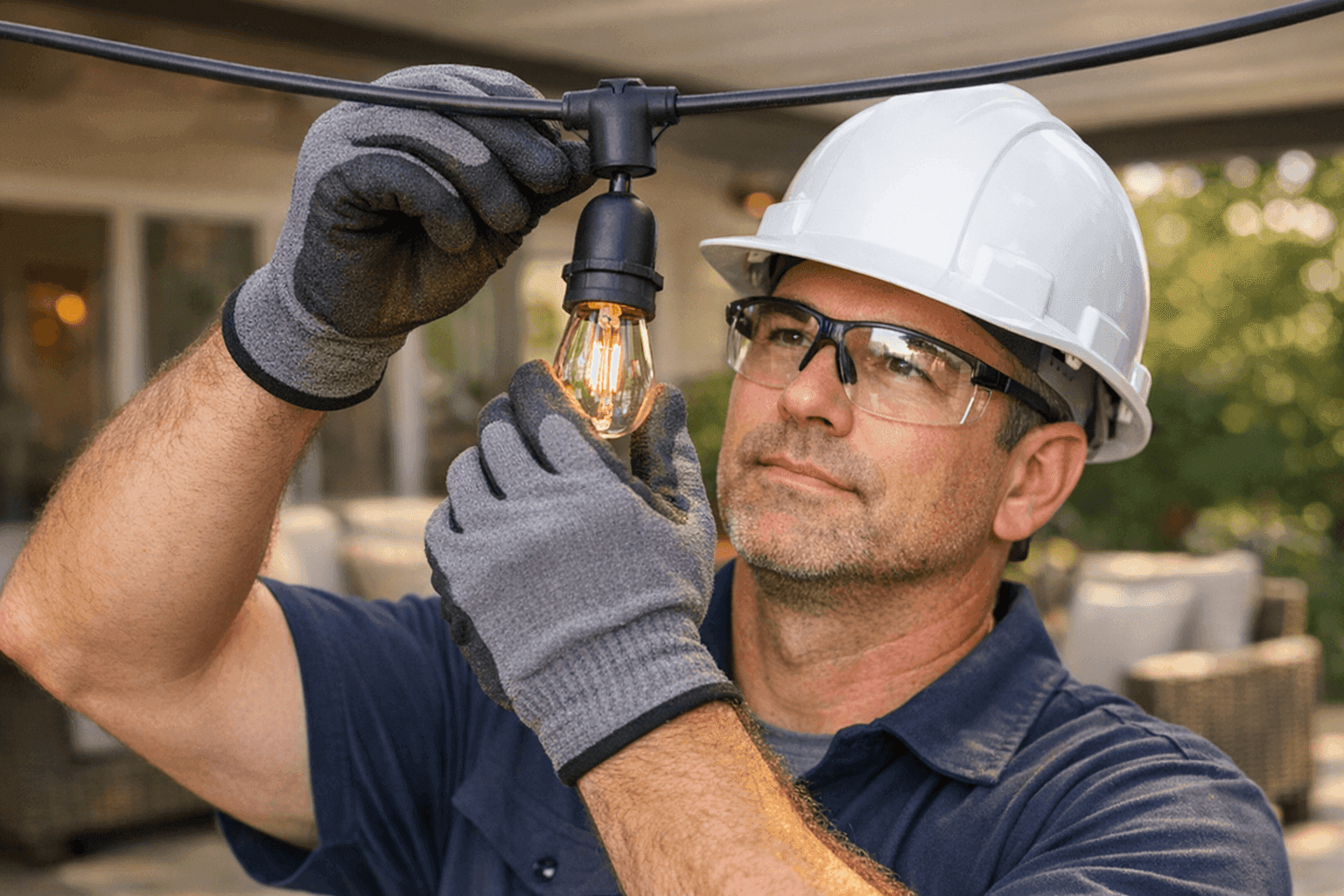
Is your backyard more shadow than sanctuary once the sun goes down? Outdoor living spaces deserve to shine, but safe, code-compliant lighting isn’t just about plugging in a few string lights from the hardware store. It’s about blending comfort, security, and electrical know-how—so your family relaxes outside with peace of mind.
At Lighteq Electric, we help homeowners turn patios, decks, and gardens into inviting, well-lit retreats. Let’s walk through how to plan and install outdoor lighting that’s safe, stylish, and built to last.
Types of Outdoor Lighting
Outdoor lighting is more than just a porch bulb. Each type serves a purpose—some for safety, others for style, and many for both.
- Path Lights: Guide feet safely along walkways, driveways, or garden beds. Think of them as runway lights for your landscape.
- Accent Lights: Highlight feature trees, shrubs, or architectural details. They create drama and depth, so your favorite maple or brick wall stands out after dark.
- Floodlights: Powerful beams for security or illuminating large areas like driveways or backyards.
- String & Bistro Lights: Add ambiance to patios or pergolas, perfect for summer evenings.
- Deck & Step Lights: Prevent trips and falls by lighting up stairs and deck surfaces.
- Pool & Spa Lighting: Waterproof, specialized fixtures that keep swimming areas bright and safe at night.
Choosing the right mix sets the mood and boosts safety. If you need help with installations or want to add new outlets and switches for your outdoor area, check our lighting and outlets-and-switches services.
Planning for Safety and Ambience 🛠️
Lighting transforms an outdoor space, but it’s not “one size fits all.” Planning ahead makes all the difference.
- Map Out Key Areas: Start by identifying where you need light—paths, entryways, seating, grill zones, and water features.
- Balance Function and Mood: Brighter isn’t always better. Think about where soft, warm light sets a mood, versus where clear, bright light improves security.
- Prioritize Safety: Steps, changes in level, and pool edges need extra attention. The right light prevents accidents.
- Consider Power Sources: Will you need new wiring? Are existing outlets GFCI-protected (ground-fault circuit interrupter)? Outdoor-rated outlets and switches are a must for safety and code compliance.
Before starting, check local electrical codes and the National Electrical Code (NEC) for outdoor installations. If you’re unsure, a licensed electrician can help ensure your plans meet all guidelines.
Quick Safety Checklist
A few simple checks can prevent major headaches:
- Are all outdoor fixtures rated for damp or wet locations?
- Are your outlets GFCI-protected and covered with weatherproof boxes?
- Is your wiring rated for direct burial (if underground)?
- Have you planned for enough light to prevent trips and falls at night?
- Are fixtures placed where they won’t cause glare or blind guests?
It’s easy to overlook these details, but they’re vital for safe, lasting results.
DIY or Call an Electrician?
Some projects feel tempting to tackle yourself. Swapping out a fixture or plugging in string lights? Maybe. Running new circuits, installing switches, or wiring around pools? That’s when you want a pro.
A qualified electrician brings:
- Knowledge of code requirements
- Experience in moisture protection
- Proper tools for safe installation
- Peace of mind—no unwanted surprises
For anything beyond plug-in fixtures, especially around water or for permanent installations, call an electrician. Your safety isn’t worth the shortcut.
What Happens When the Pros Arrive
Wondering what to expect when you hire Installations from Lighteq Electric? Here’s how it usually goes:
- Walkthrough: We assess your space, listen to your goals, and review any existing wiring.
- Design: Based on your needs, we create a lighting plan—balancing beauty and safety.
- Prep: We check for proper outlets, switches, and circuits. If upgrades are needed, we’ll let you know.
- Installation: Using outdoor-rated materials, we install fixtures, run wiring, and set up controls.
- Testing: We check every fixture and circuit for safe, reliable operation.
- Cleanup: No mess left behind—just a glowing outdoor oasis.
Installation Steps That Make a Difference
Installing outdoor lighting isn’t just about mounting a fixture. Here’s what sets a safe, pro-quality job apart:
- Use the Right Wire: Outdoor projects need UF (underground feeder) cable or conduit, rated for soil and moisture.
- GFCI Protection: Every exterior outlet should be GFCI-protected to prevent shock hazards.
- Weatherproof Boxes: All connections—especially outlets and switches—must be housed in weatherproof boxes with tight seals.
- Mounting Height: Keep lights high enough to avoid glare but low enough for the right effect.
- Timers and Smart Controls: Automate lighting for convenience and security. Home automation can enhance both energy savings and safety.
If you’re installing near water—like for pool & spa electrical near you—special regulations apply. The NEC has strict rules for distances and types of fixtures. Don’t cut corners near water.
Weatherproofing and Maintenance ☔
Mother Nature is tough on outdoor wiring and fixtures. Rain, sun, wind, and snow all take a toll.
- Choose Durable Fixtures: Look for those rated for “wet locations.” Aluminum, stainless steel, or durable plastics resist rust.
- Seal Connections: Use silicone caulk or weatherproof gaskets to keep moisture out.
- Check Covers: All outlets and switches should have tight-fitting, weatherproof covers.
- Inspect Regularly: At least twice a year, check for loose wires, cracked fixtures, or signs of corrosion.
- Trim Plants: Overgrown shrubs can block light or damage wiring.
Routine maintenance keeps your lighting shining and your space safe. If you spot flickering, buzzing, or non-working fixtures, call a pro.
Common Mistakes to Avoid
- Over-lighting: Too many bright fixtures can wash out your yard and annoy neighbors.
- Wrong Bulbs: Indoor bulbs outdoors can short out or even cause fires.
- Skipping GFCI: Never use regular outlets outside—GFCI is the law, and for a good reason.
- Improper Mounting: Loose fixtures invite water damage and electrical shorts.
- Ignoring Codes: Skipping permits or code checks risks safety—and insurance headaches down the line.
Signs of Trouble
Notice any of these? Time to call Lighteq Electric.
- Flickering or dimming lights
- Buzzing or sizzling sounds from fixtures
- Tripped breakers when turning on outdoor lights
- Hot or discolored outlets or switches
- Lights that won’t turn on, even after changing bulbs
Electrical issues outside can be even more dangerous than indoors, due to exposure to weather and water. Don’t take chances.
Seasonal Considerations
Outdoor lighting needs change with the seasons:
- Winter: Snow and ice can cover fixtures or cause moisture problems. Check for damage after storms.
- Spring: Time to clean fixtures and check for weather-related wear.
- Summer: Inspect pool and spa lighting before the season’s first swim.
- Fall: Clear away leaves and debris that can block lights or hide hazards.
Pro tip: Add timers or smart controls to adjust lighting with longer or shorter days.
Cost and Timeline Factors
Outdoor lighting costs vary with:
- Number of fixtures
- Type of controls (manual, timers, smart systems)
- Distance from power source (more trenching = higher costs)
- Complexity (simple patio vs. pool & garden combo)
A simple upgrade can be done in a few hours. Larger projects may take a day or two—especially if trenching or new circuit runs are needed.
Materials and Equipment Used
When we install outdoor lighting, we rely on:
- Outdoor-rated light fixtures
- UF (underground feeder) or THWN wire in conduit
- GFCI-protected outlets and switches
- Weatherproof boxes and covers
- Smart timers, photocells, or home automation controls
Using the right materials isn’t negotiable. It’s what keeps your family safe—and your system reliable.
Prevention & Maintenance: Protecting Your Investment
A little routine care keeps your outdoor lighting shining bright:
- Wipe down fixtures every few months
- Replace burned-out bulbs promptly
- Test GFCI outlets with the “test/reset” button
- Inspect cords and wires for damage
- Watch for signs of rust or corrosion
These habits prevent small issues from becoming big headaches.
When It’s an Emergency
If you see sparks, smell burning, or lose power to your outdoor lights—especially near water—shut off the breaker and call for emergency service. Water and electricity are a dangerous mix. Lighteq Electric is ready with 24 hour service to keep your home safe, day or night.
Frequently Asked Questions
Q: Can I use indoor lights outside if they’re under cover?
A: Only fixtures rated for damp or wet locations should be used outside—porch or patio, covered or not. Indoor fixtures aren’t sealed against moisture and can fail or become hazardous.
Q: How do I know if my outlets are GFCI?
A: Look for “test” and “reset” buttons. If your outdoor outlets don’t have them, it’s time for an upgrade.
Q: What’s the difference between low-voltage and line-voltage outdoor lighting?
A: Low-voltage uses a transformer to reduce risk and is great for accent lighting. Line-voltage (120V) is used for bigger, brighter fixtures but must be installed by a qualified electrician.
Q: Do I need permits for outdoor lighting?
A: Many municipalities require permits for new circuits or poolside lighting. Always check before starting.
Bringing It All Together
Lighting your outdoor living space brings safety, beauty, and new life to your home. It’s about seeing your backyard in a whole new light—literally and figuratively. When you want it done right, bring in Lighteq Electric. Our safety-first approach, attention to detail, and landscape lighting know-how set us apart.
Ready to make your backyard shine? Our electrician services are just a call away.
Call Lighteq Electric now — or reach us anytime at 855-552-3493 .