How to Plan and Install Wiring and Circuits for Home Additions
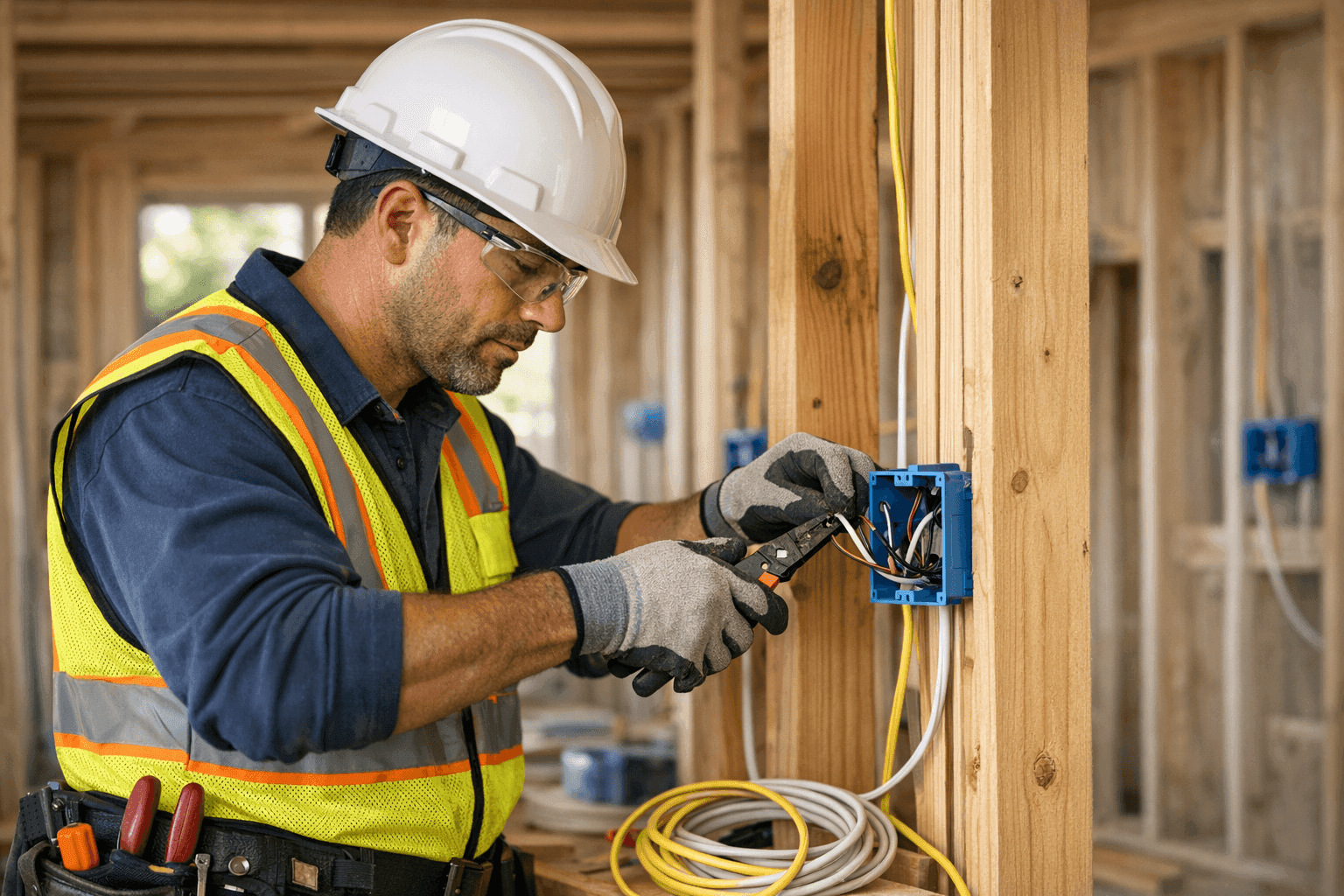
Are you planning a sunroom, finished basement, or extra bedroom? The thrill of creating more space in your home is real—but so are the risks if wiring isn’t up to the task. At Lighteq Electric, we’ve seen what happens when circuits are an afterthought: flickering lights, overloaded outlets, or worse.
Home additions breathe new life into a property, but they demand a careful electrical plan. The last thing you want is a beautiful new space that can’t safely power what you need. Let’s break down how to make sure your next project is safe, future-ready, and designed to code.
Why Additions Need Wiring Upgrades ⚡
Think of your home’s electrical system like the roots of a tree—strong enough for the trunk, but stretch too far or add more branches, and you risk starving the whole thing. Adding a room or even a large appliance can strain your current wiring and panels.
- More outlets and switches: New spaces mean more gadgets—phones, TVs, maybe even a hot tub or EV charger.
- Modern power needs: Today’s homes pull more electricity than older systems were built for.
- Protect against overloads: Outdated circuits can trip breakers or, in the worst case, cause fires.
The National Electrical Code (NEC) updates every three years for good reason. Following these standards isn’t just about compliance—it’s about family safety.
Planning for Load and Safety
Before a single wire gets pulled, it’s vital to map out what your space needs now and tomorrow. Will your addition become a home office or a guest suite? Future-proofing can save headaches (and money) down the line.
Checklist for effective planning:
- List all intended appliances, lighting, and electronics.
- Estimate total wattage and amperage load.
- Check if your main panel can handle the extra circuits.
- Decide on outlet and switch placements for comfort and code.
Lighteq Electric will always recommend a load calculation as per NEC Article 220. This ensures your upgraded system won’t buckle under new demands.
Installation Steps: What Really Happens
Wiring a new space is more than stringing cables through studs. Here’s how the process flows:
- Assessment: A licensed electrician inspects your existing system.
- Design: Circuits and wiring plans are drawn up, matching your needs with code requirements.
- Material selection: Only high-quality wires, breakers, and outlets suited for the job.
- Rough-in: Running wires before walls are closed, with careful labeling and routing.
- Device installation: Outlets, switches, GFCIs, smoke and carbon monoxide detectors.
- Panel work: Adding breakers or even upgrading the panel itself if needed.
- Testing: Verifying every circuit for safety and performance.
Each step is a puzzle piece. Miss one, and the whole picture is off.
Inspection and Code Compliance
No home addition is complete until it passes inspection. Local inspectors check for:
- Correct wire sizes and breaker ratings
- GFCI and AFCI protection where required (especially in kitchens, bathrooms, and outdoor areas)
- Proper grounding and bonding
- Smoke and carbon monoxide detector placement
Staying code-compliant isn’t optional. It’s peace of mind—and it protects your investment if you ever sell. The NEC and local Massachusetts regulations are there for your safety.
Quick Safety Checklist
- Never bury splices or boxes behind finished walls.
- Use GFCI protection in any area with water—kitchens, baths, garages, outdoors.
- Label every new circuit clearly in your panel.
- Don’t reuse old wires unless inspected and approved by a pro.
DIY vs. Call a Pro
It’s tempting to DIY, but wiring is one area where mistakes are costly and dangerous. Even a single loose connection can spark trouble. If you want “Pool & Spa Electrical near you” or a simple outlet, it still pays to get an electrician involved. For additions, it’s non-negotiable. Licensed electricians know the code, the shortcuts to avoid, and the safest routes—literally and figuratively.
What Pros Do On Arrival
When Lighteq Electric shows up, we bring more than tools. We bring a plan:
- Full load assessment
- Review of local code amendments
- Recommendations for panel upgrades or surge protection
- Transparent explanations, so you know what’s happening at every stage
Prevention & Maintenance
Once your addition is live, keep things humming:
- Don’t overload outlets with extension cords or adapters.
- Schedule regular safety inspections—catch small issues before they become big ones.
- Upgrade surge protection if adding sensitive electronics or major appliances.
Costs & Time Factors
How much will your wiring upgrade cost? It depends on:
- Size and function of your addition
- Whether your panel needs upgrading
- Specialty items like EV chargers or smart controls
Expect some disruption. Walls open, power off for short periods, noise and dust—it’s all part of the process. But a well-run project minimizes surprises.
When It’s an Emergency
If you see sparking outlets, smell burning, or lose power in parts of your home during construction—stop work and call a licensed electrician immediately. Some issues can’t wait.
FAQ: Common Home Addition Questions
Q: Can I use the existing circuits for my new room?
A: Sometimes, but most often you’ll need new circuits to meet current code—and to keep things safe.
Q: Do I need a permit?
A: Yes. Electrical permits protect you, your family, and your investment.
Q: How long does installation take?
A: Simple additions can take a few days. Larger or more complex projects may stretch to a week or more.
Seasonal Considerations
Winter additions require special care—cold impacts wiring and can slow construction. Summer, meanwhile, adds demand for cooling systems. Plan ahead, and schedule your project with weather in mind.
Common Mistakes to Avoid
- Overloading existing circuits.
- Skipping permits or inspections.
- Running wires too close to plumbing or HVAC ducts.
- Failing to provide adequate outlets (code requires them every 12 feet in living areas).
Signs of Trouble Down the Road
- Flickering lights
- Warm or buzzing outlets
- Frequently tripped breakers
- Devices losing power
If you spot these, have your system checked. Early attention prevents bigger, riskier problems.
Timeline & Disruption: What to Expect
No one likes their home in chaos. Expect:
- A few days of dust and noise
- Power shut-offs during panel work
- Final inspection before “move-in” to your new space
Plan for some downtime, but the reward—a safe, powered-up addition—is worth it.
Materials & Equipment: What Goes In
- Copper wiring for reliability
- Properly rated breakers and panels
- GFCI and AFCI outlets for safety
- Smoke and carbon monoxide detectors
- Tamper-resistant outlets for families with kids
Every piece is chosen for your safety and the long haul.
Citing the Pros: Where to Learn More
- National Electrical Code (NFPA 70)
- Massachusetts State Building Code
- U.S. Consumer Product Safety Commission (CPSC) guidance on home wiring
If you’re curious about details, ask your electrician for a walk-through. Understanding the basics empowers you to make smart decisions.
Ready to Power Up? Let’s Get Started
When it comes to additions, there are no shortcuts—just smart planning, quality work, and a focus on safety. For reliable results on wiring-and-circuits, electrical-system-design, or installations, Lighteq Electric is here to help.
If you’re in Beverly and need the right electrician services for your project, see our Wiring & Circuits page for more info on how we support your area.
Call Lighteq Electric now — or reach us anytime at 855-552-3493 .