How to Prevent Circuit Overloads and Tripped Breakers at Home
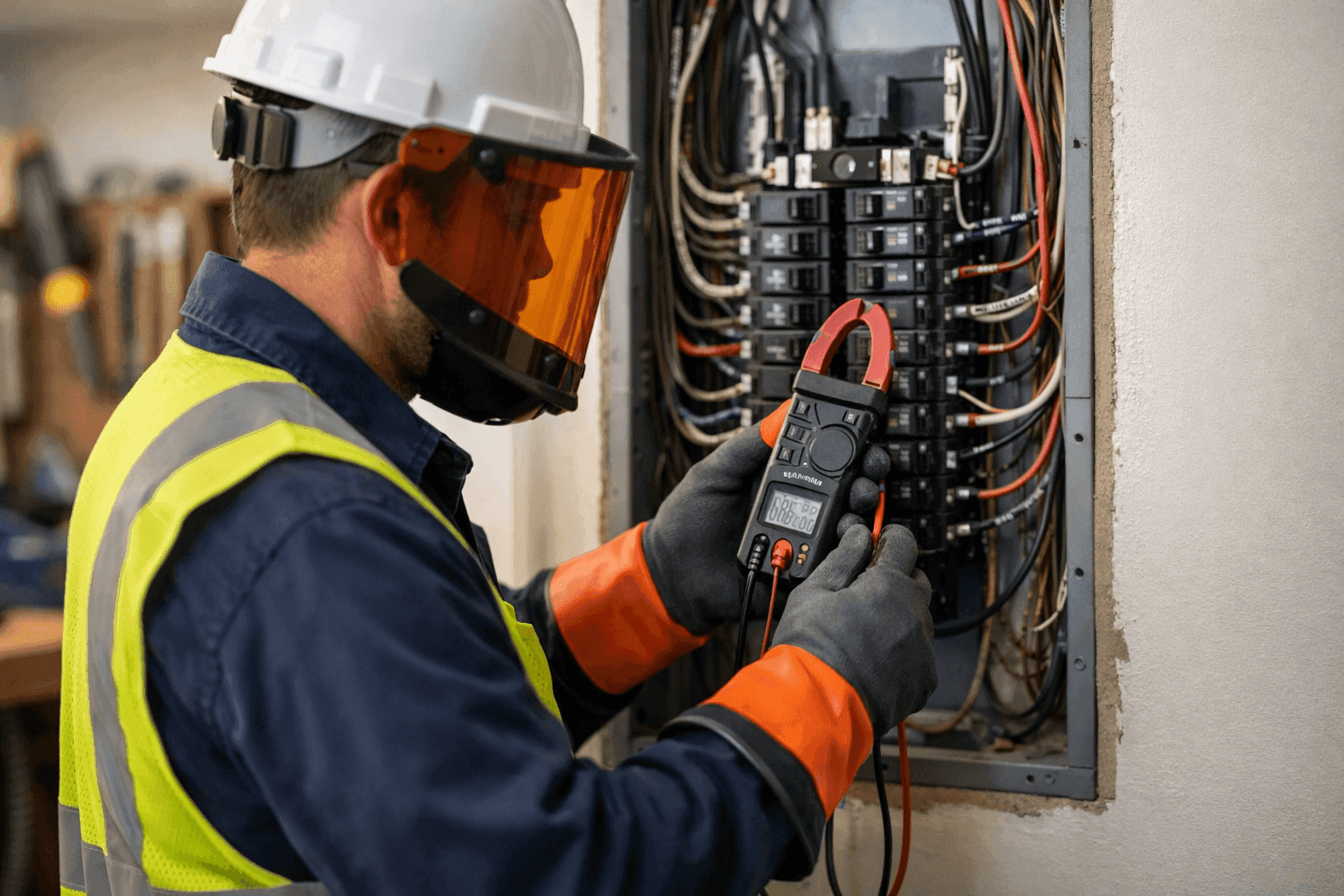
Have you ever heard a sudden “click”—then lost power in part of your home? Tripped breakers happen in every home, but frequent overloads can hint at bigger wiring issues. It’s frustrating, inconvenient, and sometimes unsafe.
At Lighteq Electric, we know how crucial a reliable electrical system is for your peace of mind. If you want to keep your lights on, protect your appliances, and avoid emergency calls, it pays to understand how overloads start—and what you can do to stop them.
What Causes Overloads? ⚡
Think of your home’s wiring like a series of highways. Each circuit—the road—has a limit for how many cars (electricity) can drive on it at once. Put too many cars on, and you get a jam. With electricity, that “jam” is an overload.
Common causes include:
- Too many devices: Plugging multiple appliances into the same outlet or power strip.
- High-draw appliances: Heaters, microwaves, hairdryers, and even EV chargers gulp more electricity than most realize.
- Aging wiring: Older homes may have circuits designed for a time before modern electronics and gadgets.
- Extension cords: These can tempt you to connect more than a circuit can handle—they’re meant for temporary use, not as permanent solutions.
The breaker is your safety net. It trips to stop dangerous overheating that can damage wires or worse—spark a fire. The National Fire Protection Association (NFPA) and National Electrical Code (NEC) both stress: overloading is a leading cause of residential electrical fires.
Signs of Overloading
How can you tell if your system’s under strain? Watch for these warning signals:
- Warm or discolored outlets: Heat is a red flag.
- Frequent breaker trips: If you’re resetting the same breaker often, something’s up.
- Flickering or dimming lights: Especially when a big appliance turns on.
- Buzzing, sizzling, or burning smells: These are urgent—turn off power and call an electrician right away.
- Extension cords everywhere: If you need a daisy chain of cords, your wiring isn’t keeping up.
Don’t ignore these clues. Acting early can prevent expensive repairs—or worse, disaster.
How to Balance Circuits
Balancing your home’s electrical load is like packing a suitcase: you want to fit everything in, but overstuff it and you’ll break the zipper.
Smart steps:
- Spread out appliances: Don’t run the microwave, toaster, and coffee maker on the same circuit.
- Know your limits: Most standard outlets handle 15 or 20 amps. Check your breaker panel for labels.
- Unplug devices: If something isn’t in use, unplug it. This reduces phantom loads and frees up capacity.
- Upgrade where needed: If you rely on extension cords, or if you’ve added a hot tub or EV charger, you may need new circuits.
A professional electrician calculates safe loads using formulas from the NEC, ensuring your circuits aren’t running on the edge.
Upgrading for Capacity
Sometimes, balancing isn’t enough. If your home’s electrical needs have grown—think home office setups, spa installations, or modern kitchens—it may be time to upgrade.
What upgrades look like:
- Adding circuits: New circuits for dedicated appliances or areas.
- Panel upgrades: Replacing old breaker panels with modern, higher-capacity units.
- Rewiring: Especially in homes built before the 1980s, new wiring can handle today’s power needs safely.
- Installing GFCI/AFCI protection: Required by code for kitchens, bathrooms, and more.
Upgrades aren’t just about convenience—they’re about safety and code compliance. An experienced electrician will assess your needs and recommend the right solution.
Extension Cords: Friend or Foe? 🔌
Extension cords are like a spare tire: fine for short trips, never meant for everyday driving. Relying on them can overload outlets, cause overheating, and create trip hazards.
Tips:
- Never “daisy chain” multiple cords.
- Use the shortest cord needed, rated for the device’s draw.
- Replace damaged cords immediately.
- If you need cords for everyday use, it’s time for permanent wiring.
High-Draw Appliances and When to Be Cautious
Some devices are power-hungry by design. Space heaters, portable ACs, hairdryers, and electric ranges all pull serious current. Plugging several into one circuit? That’s a recipe for tripped breakers.
What to do:
- Spread high-draw appliances across different rooms or circuits.
- Avoid plugging multiple into the same outlet or power strip.
- Consider dedicated circuits for items like treadmills, EV chargers, or hot tubs—ask about our Panels & Breakers.
When to Call an Electrician
It’s tempting to tackle electrical issues yourself, but some problems need a professional’s eye.
Call if:
- Breakers trip repeatedly, even after unplugging devices.
- You spot scorch marks, smell burning, or hear buzzing outlets.
- Upgrades or new appliances overload your system.
- You’re unsure about your panel’s capacity or wiring.
A licensed electrician ensures your home meets code and keeps your family safe.
What Pros Do On Arrival
When you call Lighteq Electric, here’s what happens:
- Assessment: We listen, inspect, and test circuits.
- Load calculation: Using NEC guidelines, we check your system’s safe limits.
- Thermal checks: Infrared tools find hidden hot spots inside panels.
- Transparent troubleshooting: We explain findings in plain language, not jargon.
- Solutions: We recommend repairs, upgrades, or rewiring if needed.
All work follows the latest safety codes and industry standards.
Electrical Safety Checklist
Quick steps to keep your system safe:
- Test GFCI and AFCI outlets monthly.
- Keep panels accessible—never block them with storage.
- Label breakers clearly for each room.
- Schedule routine maintenance for your electrical system.
- Upgrade old outlets and cords.
These habits prevent surprises and extend your system’s life.
DIY vs. Professional Work
Changing a lightbulb? Fine. Replacing outlets or running new wiring? That’s another story.
DIY is risky when:
- You’re not sure which breaker controls a circuit.
- You don’t have the right tools or safety gear.
- Local codes require permits or inspections.
Electrical mistakes can be dangerous. For anything beyond basic tasks, call a professional.
Prevention & Maintenance Tips
A little prevention goes a long way:
- Schedule annual electrical safety inspections.
- Replace worn outlets and switches.
- Limit use of extension cords.
- Watch for flickering lights or hot outlets—these aren’t normal.
- If you’ve added new appliances, ask about a panel checkup.
Routine maintenance keeps small issues from turning into emergencies.
Costs & Time Factors
Upgrading circuits or panels is an investment, but not addressing overloads can cost more in the long run—think appliance damage or fire risk.
You’ll pay more for:
- Emergency calls after hours.
- Rewiring older homes.
- Upgrading to higher-capacity panels.
But simple fixes—like redistributing loads or replacing a breaker—are fast and affordable.
When It’s an Emergency
Certain signs mean stop and call for help right away:
- Burning smell or visible smoke.
- Sparking outlets or breakers.
- Loss of power to critical appliances like refrigerators or medical equipment.
Turn off the main breaker if safe, then call Lighteq Electric. We offer 24-hour emergency service for urgent situations.
Seasonal Considerations
Your electrical load changes with the seasons:
- Winter: Space heaters and holiday lights add strain.
- Summer: AC units, pool pumps, and fans work overtime.
- Spring/Fall: Home renovations or appliance upgrades often happen.
Adjust usage and schedule safety checks before peak seasons.
Common Mistakes Homeowners Make
- Overloading power strips.
- Ignoring frequently tripped breakers.
- Using extension cords as permanent wiring.
- Covering cords with rugs (fire hazard!).
- Skipping regular inspections.
Avoid these pitfalls to keep your system safe.
Spotting Trouble Before It Strikes
Stay alert for:
- “Fishy” or burning smells.
- Outlets that spark or buzz.
- Breakers that feel hot to the touch.
- Lights that dim when appliances start.
Early action = fewer headaches later.
Materials & Equipment Pros Rely On
Electricians use:
- Load testers and clamp meters.
- Infrared thermometers for spotting hot spots.
- Code-approved breakers and panels.
- High-quality wiring.
These tools help us diagnose and fix issues quickly and safely.
Your Timeline & Disruption
Simple fixes—like replacing a breaker—can take less than an hour. Panel upgrades or rewiring jobs may need a day or more, but we work to minimize disruption. We always leave your home as clean as we found it.
Frequently Asked Questions
Q: Why does my breaker trip when I use the toaster and microwave together?
A: They’re likely on the same circuit and together exceed its amperage limit.
Q: How often should my electrical panel be checked?
A: At least every 3–5 years, or sooner if you notice problems.
Q: Can I replace a breaker myself?
A: It’s possible but risky—incorrect installation can be dangerous or even void insurance. Always consider calling a licensed electrician.
Q: How do I know if my panel is up to code?
A: Only a licensed electrician can verify this. We check for proper labeling, ampacity, grounding, and more.
Need Reliable Panels & Breakers Help?
Circuit overloads don’t have to be a mystery. If you’re tired of tripped breakers or want peace of mind, Lighteq Electric is here to help. Whether you need a quick fix, system upgrade, or just some friendly advice, our team is ready.
If you’re in the area, our Panels & Breakers services can help you get your electrical system running safely and reliably again.
Call Lighteq Electric now — or reach us anytime at 855-552-3493 .