How to Prevent Electrical Problems During Home Storms and Floods
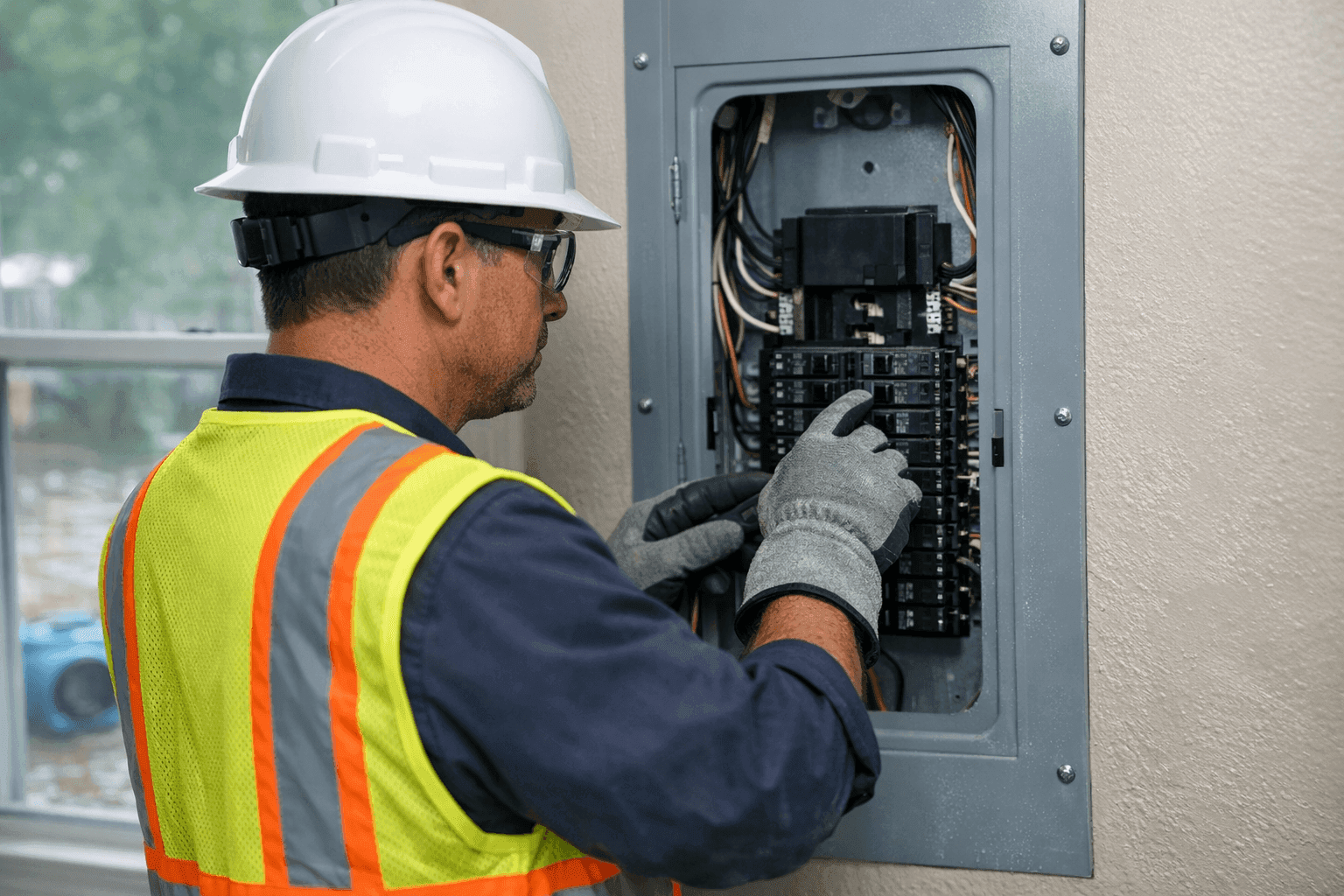
When the clouds roll in and the rain starts pounding, every homeowner feels that twinge of worry. Storms and floods can turn a peaceful evening into chaos, especially if your home’s electrical system isn’t ready. At Lighteq Electric, we see the aftermath all too often—and we know how quickly a problem can become dangerous.
If you’ve ever wondered how to keep your lights on and your family safe during wild weather, you’re in the right spot. Let’s walk through practical steps, smart habits, and what to do when things get dicey.
Why Storms Cause Electrical Problems ⚡
Storms are like nature’s power surge. Lightning, wind, and water all team up to challenge your home’s wiring. Heavy rain can seep into outlets or panels. Wind knocks down power lines. Lightning? It can zap electronics in a heartbeat.
Floodwaters are even tougher. Water is a conductor—meaning when it gets into your wiring, it can create a hidden, dangerous path for electricity. Even after the water’s gone, dampness can linger in walls or outlets, raising the risk of shorts or shocks.
According to the National Fire Protection Association (NFPA), electrical failures or malfunctions are a leading cause of home fires—especially during severe weather.
Prevention Before the Storm
A little preparation beats a frantic phone call every time. Here’s how to storm-proof your electrical system before the clouds gather:
- Schedule an electrical safety inspection. Have an electrician check your home for vulnerable wiring, loose panels, and unsafe outlets.
- Install surge protection. Whole-home surge protectors guard against sudden voltage spikes. Learn more at our Surge Protection page.
- Consider a backup generator. A professionally installed generator keeps essentials running—no more spoiled food or dark hallways. Thinking about it? See our Generators service.
- Elevate outlets in flood-prone areas. Especially in basements or ground floors.
- Trim back tree branches. Keeps them away from power lines.
- Label your breaker box clearly. So you can cut power fast if you ever need to.
For homes with pools, spas, or outdoor lighting, make sure all outdoor circuits are GFCI-protected. If you’re searching for “Pool & Spa Electrical near you,” this is non-negotiable.
Quick Safety Checklist
Storm on the way? Here’s your 60-second action plan:
- Unplug electronics and appliances.
- Charge phones and flashlights.
- Move valuables (and cords) off the floor in flood-risk areas.
- Turn off pool equipment.
- Double-check generator fuel and placement.
- Keep emergency numbers handy.
Generator Safety: Power Without Peril
Generators are lifesavers—when used correctly. But misuse can lead to carbon monoxide poisoning, fire, or electrocution. Always:
- Run generators outdoors. Never in garages, basements, or near windows.
- Use heavy-duty, outdoor-rated extension cords.
- Have a transfer switch installed by a licensed electrician. This prevents backfeeding, which can endanger lineworkers and neighbors.
- Store fuel safely. Away from flames or sparks.
The Electrical Safety Foundation International (ESFI) stresses the importance of following the manufacturer’s guidelines and local code.
Surge Protection: Shielding Your Essentials
Lightning doesn’t have to strike your house directly to cause damage. A surge can travel through power lines and fry your TV, computer, or appliances. That’s where surge protectors step in.
- Whole-home surge protectors are installed at your main panel. They shield against big spikes.
- Plug-in surge strips add another layer for sensitive electronics.
- Check for UL 1449 certification for reliable protection.
If you’re curious about protecting your home, our Surge Protection service has the details you need.
Safety During Floods: Stay Dry, Stay Safe 🌧️
Floodwater and electricity make a dangerous mix. If water starts entering your home:
- Never wade through standing water where outlets or cords are submerged.
- Turn off electricity at the main breaker—but only if you can do so safely and without standing in water.
- Avoid using electrical appliances until you know it’s safe.
- Check for flickering lights, buzzing, or burning smells. These are red flags.
If you’re unsure, step away and call a professional. Your safety comes first.
What To Do After the Storm
Once the skies clear, resist the urge to flip everything back on. Here’s the checklist:
- Inspect your breaker box for signs of water or rust.
- Look for discolored outlets or switches.
- Don’t touch downed power lines—call your utility.
- Have an electrician inspect your wiring before restoring power if your home was flooded.
The U.S. Consumer Product Safety Commission (CPSC) recommends replacing any electrical device that was submerged.
DIY or Call a Pro?
Changing a lightbulb is one thing. Dealing with soggy wires after a flood? That’s for a licensed electrician. If you notice:
- Persistent tripped breakers
- Warm or sparking outlets
- Lights that flicker or dim
…don’t risk it. A professional can spot hidden damage and keep your home up to code. If you’re in the area and need an electrician, our electrician company is just a call away.
What Electricians Do On Arrival
When you call Lighteq Electric for emergency service, here’s what you can expect:
- Fast assessment of wet or damaged panels, outlets, and circuits
- Safe power shutdown, as needed
- Moisture testing behind walls
- Repairs or rewiring according to National Electrical Code (NEC)
- Advice on upgrades for future storms
We’re here for urgent needs, but also to help you build resilience for next time.
Emergency Steps to Take
When disaster strikes, keep these steps in mind:
- Stay calm.
- Shut off power if it’s safe.
- Move family and pets to a dry area.
- Call emergency services if you smell burning or see smoke.
- Contact your insurance provider and document damage.
Common Mistakes (And How to Avoid Them) ⚠️
- Using wet outlets: Never plug in appliances if an outlet has been exposed to water.
- DIY repairs: Electrical work after a flood is risky and should be left to professionals.
- Skipping inspections: Damage can lurk inside walls long after water recedes.
- Ignoring strange noises or smells: These can signal a serious hazard.
Electrical Inspections: Your Post-Storm Lifesaver
A thorough inspection after severe weather isn’t just peace of mind—it’s a must. Licensed electricians can:
- Test for hidden moisture
- Replace damaged outlets and switches
- Check breaker panels for corrosion
- Update wiring as needed
Local codes and insurance policies often require it. Don’t skip this step.
Timeline & Disruption: What to Expect
Depending on the damage, repairs can take an afternoon or several days. Minor fixes—like swapping an outlet—are quick. Rewiring or panel replacement may mean longer disruption. The sooner you call, the faster we can help you get back to normal.
Protecting Pool & Spa Electrical Near You
Pools and spas have unique risks during storms. Lightning can strike water, and floodwaters may reach pumps or lights. Always:
- Shut off power at the panel before a storm.
- Avoid using pools or spas during storms.
- Schedule post-storm inspections for equipment safety.
GFCI protection is required by code for all pool and spa circuits. Stay compliant. Stay safe.
Seasonal Readiness: Make It a Habit 🍂
Don’t wait for the first thunderclap. Make a habit of:
- Testing smoke and carbon monoxide detectors
- Checking generator fuel and function
- Scheduling annual electrical maintenance
Preparedness is your strongest defense.
FAQ: Weather Emergencies & Your Electrical System
What’s the first thing to do if my home floods?
If it’s safe, cut power at the main breaker. Don’t touch anything wet. Call a licensed electrician.
Can I use my generator during a flood?
Only if it’s outside, on dry ground, and away from windows.
How soon after a flood can I use my home’s power?
Not until a professional has inspected your wiring and outlets.
Lighteq Electric: Here When You Need Us
Storms and floods are unpredictable. Your response doesn’t have to be. Lighteq Electric is ready to help, day or night, with emergency service, storm prep, and repairs that put your family’s safety first.
Call Lighteq Electric now — or reach us anytime at 855-552-3493 .