How to Prevent Electrical Problems During Winter Freezes
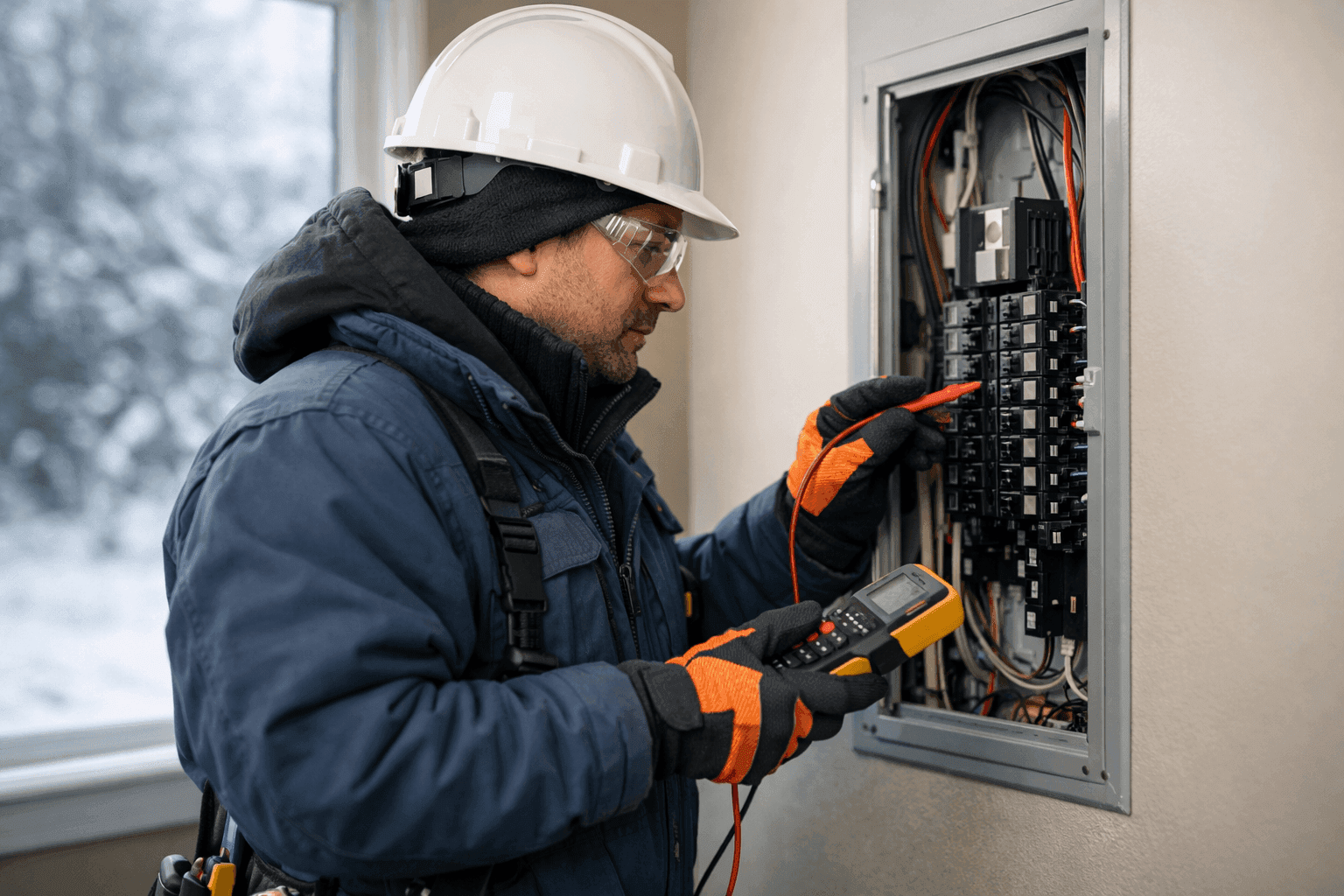
Winter can be relentless. The cold creeps in, and suddenly your cozy home faces new risks. Power flickers, breakers trip, and heaters strain to keep up. It isn’t just inconvenient—it can be dangerous.
At Lighteq Electric, we know the winter freeze isn’t just another season. It’s a test of every wire, outlet, and circuit. Your family’s safety and comfort depend on how well your electrical system stands up to it. Here’s how you can get ready, stay safe, and know when to call in a professional electrician.
Why Freezes Cause Problems ❄️
When temperatures plummet, your home’s electrical system works overtime. It’s like asking your heart to run a marathon in the cold—everything slows, stiffens, and pushes harder.
- Wires contract in the cold, which can loosen connections and cause flickering or dead outlets.
- Ice and snow can invade outdoor boxes, corroding contacts and tripping breakers.
- Heating devices—from portable space heaters to furnace blowers—pull more power, straining circuits.
- Storms bring down power lines, causing surges and outages.
According to the National Fire Protection Association (NFPA), electrical fires spike in winter, often due to overworked systems or improper space heater use. Understanding why these issues happen is your first defense.
Preparing Your System for Cold
You wouldn’t leave your car’s engine unchecked before a deep freeze. Your electrical system deserves the same care.
- Schedule a seasonal maintenance check. A licensed electrician can spot loose wires, corroded connections, or overloaded circuits before the cold sets in.
- Test your GFCIs and AFCIs. These special outlets help prevent shocks and fires, especially in damp winter conditions.
- Inspect outdoor outlets and covers. Make sure they’re weatherproof and sealed tight.
- Check attic and crawl space wiring. Rodents seeking warmth may chew insulation, exposing wires to short circuits.
- Review your home’s load capacity. You may need to upgrade your panel if you’re adding space heaters or new appliances this winter.
Safe Use of Heaters and Generators 🔌
Cold snaps push heaters and generators into the spotlight. But misuse brings real risks.
- Space heaters: Plug directly into wall outlets—never extension cords, which can overheat. Keep heaters three feet from anything flammable. The U.S. Consumer Product Safety Commission warns that over 25,000 house fires each year start with space heaters.
- Generators: Place portable generators outside—never in garages or basements. Carbon monoxide is deadly and invisible. Have a transfer switch installed for backup generators to safely connect to your home’s panel.
- Never overload circuits. If lights dim or breakers trip, unplug something before plugging in more.
For generator installation or backup power needs, see our Generators service.
Quick Winter Electrical Safety Checklist
A few simple checks can save you hours of hassle—and potentially your safety.
- Reset and test all smoke and carbon monoxide detectors.
- Make sure all extension cords are rated for outdoor use and not cracked.
- Double-check surge protectors on sensitive electronics.
- Look for frayed cords or damaged plugs.
- Know where your main electrical shutoff is located.
- Label your breaker panel clearly, so you can act fast in an emergency.
DIY vs. Call a Pro
Some tasks are safe for homeowners—others aren’t worth the risk.
DIY:
- Resetting breakers.
- Testing outlets with a plug-in tester.
- Replacing batteries in detectors.
Call a professional electrician if you:
- Smell burning or melting plastic.
- See sparks or frequent breaker trips.
- Lose power to part or all of your home.
- Notice buzzing from outlets or panels.
- Need to upgrade wiring, panels, or install backup generators.
Never attempt electrical repairs beyond your experience. Even a minor mistake can lead to fire or shock.
What Pros Do On Arrival
When you call Lighteq Electric, here’s what happens next:
- Rapid assessment: We start by listening to your concerns, then check for immediate hazards.
- Thermal imaging: This tool spots hidden hot spots inside your walls.
- Load testing: We evaluate if your system can handle winter’s demands without overloading.
- Code checks: Every fix follows current National Electrical Code (NEC) and local standards.
Our electricians arrive ready—boots dry, tools charged—prepared for everything the season can throw at your home.
Prevention & Maintenance: Your Winterization Plan
A little prevention goes a long way. Like putting snow tires on your car, electrical maintenance keeps your home running smooth.
- Annual inspections: Schedule these each fall, before the first freeze.
- Upgrade old outlets: Especially those with visible wear or that feel loose.
- Seal gaps: Use weatherproofing around outdoor boxes and covers.
- Service your generator: Run it monthly, check oil levels, and keep fuel fresh.
- Update your panel: If your home is older, consider a modern breaker panel with AFCI and GFCI protection.
For more tips, the Electrical Safety Foundation International (ESFI) publishes detailed seasonal safety checklists.
Costs & Time Factors
Worried about cost or disruption? Most winter electrical updates or fixes are quick. A basic safety inspection takes about an hour. Upgrading outlets or replacing a breaker panel may take half a day. Generator installation varies by size and home layout.
Plan ahead—scheduling before the first big freeze means shorter wait times and more peace of mind.
When It’s an Emergency
Not every winter electrical issue can wait. Call for immediate help if you notice:
- Continuous power loss (not a neighborhood outage).
- Breakers won’t reset or keep tripping.
- Visible smoke, burning smells, or sparks.
- Water leaks near outlets or your panel.
- Anyone receives a shock, even a minor one.
Our Emergency Service is available 24/7 for urgent needs.
Common Mistakes Homeowners Make
Even careful DIYers can miss key steps. Watch for these pitfalls:
- Overloading extension cords or power strips.
- Running cords under rugs—this traps heat and wears insulation.
- Ignoring flickering lights or warm outlets.
- Using outdated, two-prong adapters for modern appliances.
- Neglecting to test detectors or replace dead batteries.
If you’re unsure, it’s always safer to call a licensed electrician.
Signs of Trouble Before a Freeze
Don’t wait for a snowstorm to test your system. Notice these warning signs early:
- Lights dimming when appliances start.
- Frequent circuit breaker trips.
- Outlets that buzz, spark, or feel hot.
- Unusual burning smells near panels or outlets.
- Appliances running slower or shutting off unexpectedly.
Addressing these issues before cold weather hits can prevent major outages or fire risk.
Timeline & Disruption: What to Expect
Most preventive maintenance can be finished in a single visit. Larger upgrades—like a new panel or generator—may take a day or two. We work with you to minimize downtime and keep your home comfortable.
If emergency repairs are needed, we prioritize safety and restore power as quickly as possible.
Materials & Equipment for Winter Readiness
Stock up before the first frost:
- Spare batteries for detectors.
- Heavy-duty, weather-rated extension cords.
- Portable surge protectors.
- Flashlights and battery-powered lanterns.
- Generator fuel (if you have one).
- Insulating covers for outdoor outlets.
Keep these in an easy-to-reach spot—just in case.
Frequently Asked Questions
Can I install a generator myself?
It’s safest to have a licensed electrician handle generator installation. Incorrect wiring can backfeed into the grid or cause shock.
How often should I test my detectors?
Test smoke and carbon monoxide detectors monthly, and replace batteries every six months.
Are outdoor outlets safe in freezing rain?
Only if they’re rated for exterior use and have weatherproof covers. Check them before every winter.
What if my breaker keeps tripping?
Unplug devices and reset. If it happens again, call for service—it could signal a dangerous fault.
Seasonal Considerations: Planning for Next Winter
Set a calendar reminder for early fall. Schedule your inspection before the first freeze. Check your generator, detectors, and outdoor wiring. Being proactive means less stress—and a safer home.
For property owners searching for an electrician company in Wilmington, Lighteq Electric is ready to help when cold weather strikes.
Closing Thoughts
Winter’s cold doesn’t have to mean electrical trouble. With smart planning, regular maintenance, and a focus on safety, your home can weather any storm. If you need help, advice, or urgent repairs, Lighteq Electric is here—day or night.
Call Lighteq Electric now — or reach us anytime at 855-552-3493 .