How to Prevent Electrical Shocks at Home
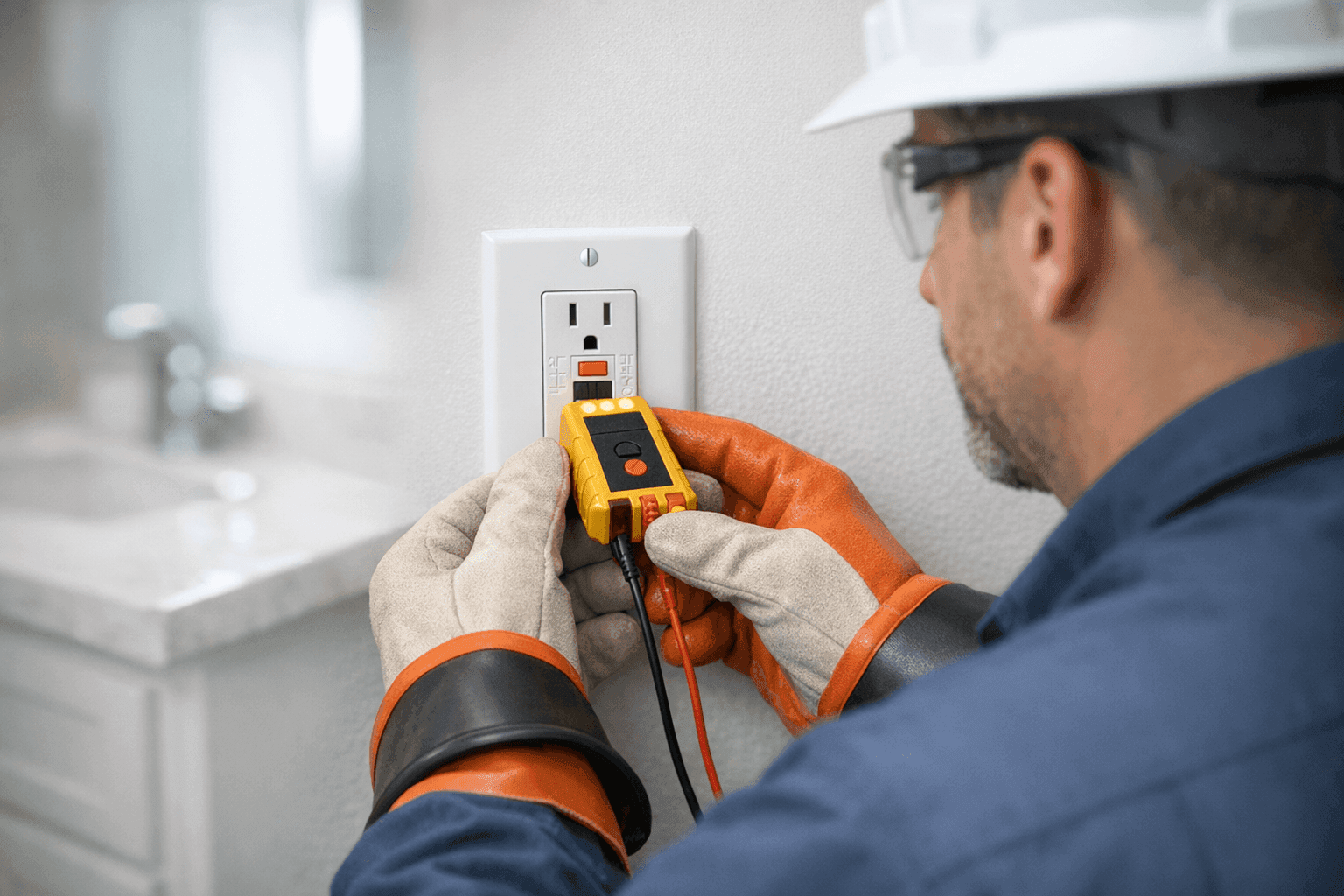
It only takes a split second. One careless touch—a flick of a switch, a worn cord, a damp hand—and suddenly, home doesn't feel so safe. Electrical shocks are more common than most people think. The good news? Nearly every shock at home is preventable with a little know-how and the right habits.
At Lighteq Electric, our electricians see the same patterns: simple mistakes, overlooked outlets, the wrong extension cord in the wrong place. Today, we’re sharing what really keeps families safe. This guide is designed for you—no jargon, no scare tactics, just practical steps and real peace of mind.
Where Shocks Happen Most ⚡
Think of your home as a map with hotspots. Some rooms carry more risk, and knowing where to be alert is half the battle.
- Bathrooms: Water and electricity make a risky mix. Outlets near sinks, hair dryers, and electric razors are common sources of shocks.
- Kitchens: Wet countertops, plugged-in appliances, and old outlets behind fridges or stoves increase danger.
- Garages & Basements: Damp floors and power tools can create a perfect storm for shocks.
- Outdoors: Pool & Spa Electrical near you, extension cords, and garden lighting are often exposed to weather and damage.
If your outlets aren’t upgraded or you’re unsure about wiring, these spots deserve extra attention.
Common Causes of Electrical Shocks
Shocks don’t just happen out of nowhere. Think of them as the result of a chain reaction—one weak link, and the current finds another way.
- Damaged cords and plugs: Frayed wires or cracked insulation are like open doors for electricity.
- Outdated outlets: Two-prong outlets lack proper grounding. Three-prong outlets are safer, but only if the wiring behind them is up to date.
- Water exposure: Wet hands, damp floors, or appliances near water all raise the risk.
- Faulty appliances: Old or malfunctioning devices can leak electricity onto their metal cases.
- DIY wiring mistakes: Home fixes without the right know-how can leave hidden dangers inside walls.
If any of these sound familiar, it’s time for a closer look.
Quick Safety Checklist
Not sure where to start? Here’s a 60-second safety scan you can do today:
- Are all outlets near water sources GFCI protected?
- Do cords show any signs of wear, fraying, or exposed wire?
- Are extension cords used as permanent wiring?
- Do you hear buzzing from switches or see sparks when plugging things in?
- Are outlets cool to the touch, or do any feel hot or loose?
If you checked “no” or “not sure” on any of these, schedule a Safety Check with a licensed electrician.
How to Prevent Shocks: Simple Habits
Prevention isn’t just about equipment; it’s about how you use electricity every day.
- Dry hands only: Never touch plugs or switches with wet hands.
- Unplug before cleaning: Appliances like toasters and blenders should be unplugged before you wipe them down.
- Don’t overload outlets: Plugging too many devices in can overheat circuits.
- Keep cords tidy: Avoid running cords under rugs or furniture, where damage goes unseen.
- Teach kids early: Show children which outlets are “off-limits” and use safety covers.
Safe habits are like seatbelts—they only work if you use them every time.
GFCI and AFCI Protection: Your Silent Guardians
GFCI (Ground Fault Circuit Interrupter) and AFCI (Arc Fault Circuit Interrupter) aren’t just fancy acronyms—they’re lifesavers.
- GFCI outlets are required by code in bathrooms, kitchens, laundry rooms, garages, and outdoors. They cut power instantly if they sense a leak—like if a hair dryer falls in the sink.
- AFCI breakers detect dangerous arcing (tiny sparks from damaged wires) and shut things down before a fire or shock can happen.
Upgrading to these types of outlets and breakers is one of the smartest moves you can make. The National Electrical Code (NEC) and local building codes require them in new homes and remodels. If your home is older or you’re not sure what’s behind your outlet covers, a professional Electrical Safety Inspection can reveal if you need an upgrade.
Safe Appliance Use
Appliances are like pets—they need regular care.
- Inspect cords often: Look for any damage before plugging in.
- Use the right outlet: Never cut the third prong off a plug to fit an old two-prong outlet.
- Keep away from water: Move appliances away from sinks, tubs, or damp counters.
- Don’t yank cords: Always pull the plug, not the cord, to disconnect.
- Check for recalls: Visit the U.S. Consumer Product Safety Commission (CPSC) website for appliance recalls.
When in doubt, unplug it and call an electrician.
Outlets and Switches: Little Details, Big Safety
Outlets and switches may seem small, but they’re the front lines against shocks.
- Upgrade to tamper-resistant (TR) outlets: Required by code in new homes to protect kids.
- Install GFCI outlets in all wet areas: Bathrooms, kitchens, outdoors, and laundry rooms.
- Replace loose or hot outlets: If an outlet wiggles or feels warm, it’s time for a replacement.
- Label circuit breakers: Make sure you know which switch controls which part of the house.
For more on upgrades, see our Outlets & Switches service.
Electrical Safety Inspections: The Pro’s Eye
You can spot the obvious, but a trained electrician sees what’s hidden. During a safety inspection, we check:
- All wiring for wear, code compliance, and proper connections
- The state of your main panel, breakers, and grounding
- GFCI/AFCI coverage and function
- Outlets, switches, and all visible cords
- Smoke and carbon monoxide detector placement and operation
Regular inspections are like yearly check-ups—small investments that prevent big problems.
Signs of Trouble: What to Watch For
Don’t ignore warning signs. If you notice any of these, take action:
- Frequent tripped breakers or blown fuses
- Flickering or dimming lights
- Outlets that spark or feel warm
- Buzzing from switches or outlets
- A burning smell near outlets or panels
These are your home’s way of asking for help. Don’t wait for a shock to happen.
DIY vs. Call a Pro
Some fixes are safe for handy homeowners. But when it comes to electricity, the line is clear.
DIY:
- Replacing a light bulb
- Resetting a tripped breaker
- Installing outlet safety covers
Call a Pro:
- Replacing outlets or switches
- Rewiring circuits
- Fixing tripped GFCI/AFCI devices that won’t reset
- Any job that means opening a panel or touching bare wires
Electricity is invisible but powerful. When in doubt, bring in a certified electrician.
What Pros Do On Arrival
When Lighteq Electric arrives, we don’t guess—we test. Here’s what happens:
- We listen to your concerns and ask about recent shocks or close calls.
- We check outlets, switches, and your main panel for damage.
- We run tests on GFCI and AFCI devices.
- We inspect cords, appliances, and wiring for hidden risks.
- We explain next steps clearly—no pressure, just facts.
This thorough approach ensures your home is safe, not just “good enough.”
Prevention & Maintenance: The Long Game
Safety isn’t a one-time event. It’s a habit. Here’s how to keep risk low year-round:
- Test GFCI outlets monthly (they have a “test” and “reset” button).
- Schedule annual electrical safety checks.
- Replace damaged cords or appliances right away.
- Upgrade outlets and panels as needed.
- Keep outdoor outlets covered and protected from weather.
Think of it as “brushing your teeth” for your electrical system.
Costs & Time Factors
Most shock-prevention upgrades are faster and more affordable than people expect.
- GFCI outlet upgrades: usually 15–30 minutes each.
- Safety inspections: typically 1–2 hours.
- Minor repairs: often done the same day.
- Panel or wiring upgrades: may take longer, but worth every minute.
The cost of prevention is always less than the cost of an emergency.
When It’s an Emergency
If someone receives a serious shock:
- Don’t touch them while they’re still in contact with electricity.
- Turn off the power source if possible.
- Call 911 right away.
- Once it’s safe, call an electrician to find and fix the cause.
Even small shocks can be dangerous, especially for kids and older adults.
Seasonal Considerations
Spring storms, summer pool parties, winter holiday lights—each season brings new risks.
- Spring/Summer: Pools, hot tubs, and garden tools—keep cords dry and outlets GFCI-protected.
- Fall/Winter: Indoor heaters, holiday lights, and extension cords need extra attention.
A quick safety check before each season keeps surprises to a minimum.
Common Mistakes to Avoid
- Using indoor extension cords outdoors
- Overloading power strips
- Ignoring buzzing or flickering lights
- Letting kids use outlets unsupervised
- Skipping regular inspections
Remember, mistakes are easy to fix before they become emergencies.
Frequently Asked Questions
Q: How often should I test my GFCI outlets?
A: Press the “test” button monthly, then the “reset.” If it doesn’t trip or reset, call an electrician.
Q: Are two-prong outlets dangerous?
A: They lack grounding, which increases shock risk. Upgrading to three-prong, properly grounded outlets is recommended.
Q: Can I use power strips for all my electronics?
A: Power strips are for low-power devices only. Avoid daisy-chaining them, and never use for heavy appliances.
Q: How do I know if my home meets electrical code?
A: Schedule a Electrical Safety Inspection for peace of mind.
Materials and Equipment That Make a Difference
- Tamper-resistant outlets: Keep little fingers safe.
- GFCI/AFCI breakers: Protect against shocks and fires.
- Weatherproof covers: Shield outdoor outlets from rain.
- Quality surge protectors: Defend devices from voltage spikes.
- Certified wiring and connectors: The right parts mean safer power.
Every upgrade is a step toward a safer, shock-free home.
Local Insight: Electrical Safety in Your Area
Every city has its quirks. In Manchester, NH, our electrician services are built around local code requirements and the kinds of homes we see every day. Old wiring, outdated panels, and harsh winters all play a role in your safety plan.
Keeping your home safe from electrical shocks isn’t guesswork—it’s about paying attention, forming good habits, and knowing when to call in help. For a thorough safety check or any electrical concern,
Call Lighteq Electric now — or reach us anytime at 855-552-3493 .