Preventing Electrical Fires: Tips Every Homeowner Should Know
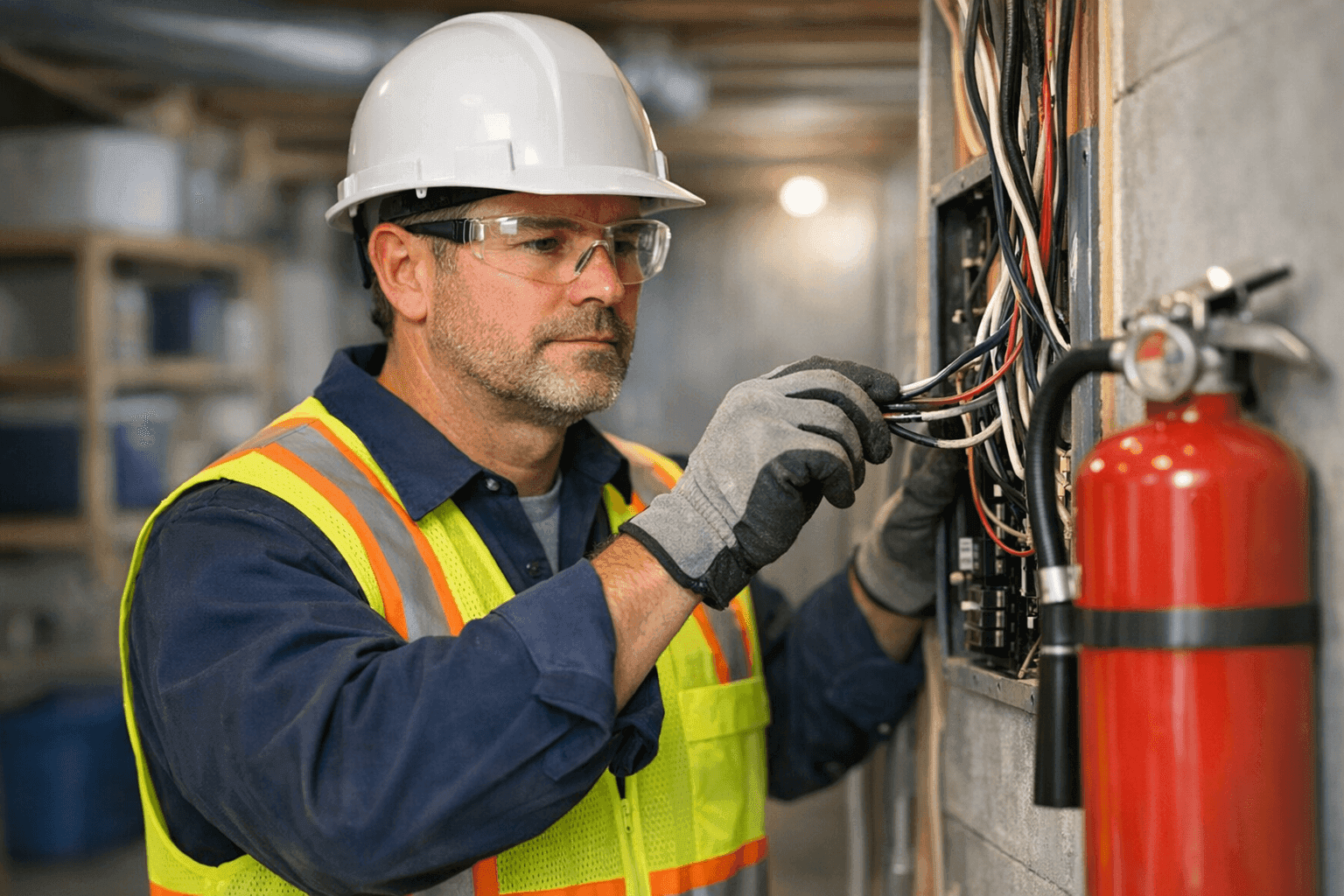
Electrical fires start quickly and spread even faster. Most homeowners never think it will happen to them—until it does. At Lighteq Electric, we've seen firsthand the heartbreak and loss that can result from a preventable spark. You don't need to become an electrician to make your home safer, but a little knowledge goes a long way.
The best defense against electrical fires is understanding what causes them, knowing the warning signs, and taking smart, practical steps—before there's a problem. Let’s break it down, room by room, wire by wire.
Common Causes of Electrical Fires
Most electrical fires start behind the scenes, hidden in walls or appliances. Here are the biggest culprits:
- Aging or Damaged Wiring: Think of your home’s wires like old garden hoses. Over time, cracks, frays, and kinks make them dangerous.
- Overloaded Circuits: Plugging too many devices into one outlet is like trying to funnel a river through a straw.
- Faulty Outlets & Switches: Loose or broken outlets can spark, overheat, or fail completely.
- Misused Extension Cords: Extension cords are a temporary solution, not a permanent wiring fix.
- Improper DIY Electrical Work: Even with the best intentions, a wrong connection can have serious consequences.
- Outdated Panels or Breakers: Old fuse boxes and undersized breaker panels can’t handle today’s electricity demands.
According to the National Fire Protection Association (NFPA), electrical failures or malfunctions are a leading cause of home fires in the US. Many of these start with a simple oversight.
Signs of Fire Hazards in Your Home 🔥
Catching problems early can save your home—and your life. Watch out for these warning signs:
- Frequent circuit breaker trips or blown fuses
- Flickering or dimming lights when large appliances turn on
- Buzzing, sizzling, or crackling sounds from outlets or switches
- Warm or discolored wall plates
- Burning smell or smoke, even if faint
- Sparking when plugging in or unplugging devices
- Outlets that don’t hold plugs snugly (they wiggle or fall out)
- Visible wire damage—chewed, frayed, or exposed
If you notice any of these, don’t ignore them. These symptoms can be early indicators of a serious electrical issue.
Quick Safety Checklist for Homeowners
Not sure where to start? Here’s a lightning-fast checklist:
- Test smoke and carbon monoxide detectors monthly
- Replace or repair damaged cords and plugs
- Avoid “daisy-chaining” power strips or using extension cords long-term
- Don’t overload outlets—one high-wattage appliance per outlet
- Schedule regular Safety Checks by a licensed electrician
- Keep combustibles away from outlets and cords (curtains, rugs, paper)
- Use only bulbs with the recommended wattage in every fixture
A few minutes a month can prevent years of regret.
DIY vs. Call a Pro: Where to Draw the Line
Tightening a loose outlet cover or replacing a lightbulb? Safe for most. But when it comes to anything behind the wall—or if you’re unsure—call a licensed electrician. Mistakes aren’t just inconvenient; they can be deadly.
Here’s where to always call a professional:
- Installing new circuits or outlets
- Upgrading your electrical panel
- Rewiring any part of your home
- Diagnosing persistent electrical problems
- Adding outdoor or pool & spa electrical near you
Remember: Electrical codes exist for a reason. Hire those who know them inside and out.
What Electricians Do During a Safety Inspection
When you schedule a safety inspection with Lighteq Electric, here’s what you can expect:
- Visual inspection of outlets, switches, and panels
- Testing of GFCIs, AFCIs, and safety devices
- Verification of proper grounding and bonding
- Inspection for signs of overheating or corrosion
- Checking wiring integrity—especially in older homes
- Advice on necessary repairs or upgrades
Inspections aren’t a formality—they’re a real defense against hidden dangers.
Prevention Best Practices: Smart Habits for Safer Homes
You can’t see electricity, but you can build safer habits:
- Unplug small appliances when not in use
- Keep cords tidy and out from under rugs or furniture
- Replace old extension cords—never tape or patch them
- Upgrade to tamper-resistant outlets in homes with children
- Store flammable materials away from all electrical sources
- Schedule annual maintenance for major appliances
Think of it like dental care for your home: regular checkups and cleanings keep problems from erupting.
Extension Cords: Friend or Foe?
Extension cords are handy—until they become a hazard. Here’s how to use them safely:
- Only use cords rated for the load (check the label)
- Never run cords under carpets or through doorways
- Don’t daisy-chain (plugging multiple extension cords together)
- Use cords with built-in surge protection
- Inspect regularly for damage; replace at first sign of wear
For anything permanent, have an electrician install new outlets where you need them.
Importance of Code-Compliant Installations
Electrical codes aren’t just red tape—they’re recipes for safety. Following the National Electrical Code (NEC) means:
- Proper wire sizing for each circuit
- Ground-fault and arc-fault protection where required
- Correct placement of outlets and switches
- Safer wiring methods and materials
When work is done to code, you have peace of mind. When it isn’t, you’re rolling the dice.
Safety Upgrades: AFCI, GFCI, and Detectors 🚨
Some devices are your home’s silent guardians:
- AFCI (Arc-Fault Circuit Interrupter): Detects dangerous arcing in wiring and shuts off power before a fire can start. Required in bedrooms, family rooms, and more.
- GFCI (Ground-Fault Circuit Interrupter): Protects against shocks and electrical fires in wet areas like kitchens, bathrooms, and outdoors.
- Smoke & Carbon Monoxide Detectors: Early warning saves lives. Install on every level, outside bedrooms, and in each sleeping area.
Upgrading to these devices is one of the best investments for your family’s safety. Lighteq Electric can help with Smoke & Carbon Monoxide Detectors and other upgrades.
Rewiring: When Is It Necessary?
If your home is more than 40 years old, or you notice persistent issues (flickering lights, frequent breaker trips), a professional assessment is wise. Old or aluminum wiring, outdated knob-and-tube systems, and worn insulation are all reasons to consider Rewiring.
Rewiring isn’t just about keeping the lights on—it’s about preventing a disaster.
When It’s an Emergency: What to Do
- If you smell burning or see smoke, turn off your main breaker and call 911.
- Never use water on electrical fires.
- Cut power at the breaker—not the outlet or appliance.
- If you experience tingling when touching appliances, call an electrician immediately.
Don’t risk your safety. Emergency electrical service is always available.
Seasonal Considerations
Different seasons, different risks:
- Winter: Space heaters overload circuits. Holiday lights push wiring to its limits.
- Spring: Storms can cause power surges and flooding near outlets.
- Summer: Window AC units and pool equipment draw heavy loads.
- Fall: Rodents may chew wires as they seek warmth indoors.
Adjust your safety habits with the seasons. Schedule inspections before major changes.
Common Mistakes Homeowners Make
- Using indoor extension cords outside
- Plugging space heaters into power strips
- Painting over outlets or switches
- Ignoring flickering or buzzing lights
- “Fixing” outlets with duct tape
It’s easy to overlook the little things, but small mistakes can have big consequences.
Timeline & Disruption: What to Expect During Upgrades
Most safety upgrades—like installing AFCIs, GFCIs, or new detectors—can be done in a few hours with minimal mess. Rewiring or panel upgrades may take longer and require temporary power shutoff.
Lighteq Electric works cleanly and efficiently, always respecting your home and schedule.
Materials and Equipment That Make a Difference
- UL-listed outlets, switches, and panels
- Heavy-duty extension cords for outdoor use
- Tamper-resistant outlets for child safety
- Modern smoke and carbon monoxide detectors with 10-year batteries
Quality materials aren’t just about longevity—they’re about safety.
Frequently Asked Questions
Q: How often should I have my home’s wiring inspected?
A: Every 3–5 years, or after any major renovation, appliance addition, or if you notice warning signs.
Q: Are old homes more at risk for electrical fires?
A: Yes. Outdated wiring and overloaded circuits are common in older homes.
Q: Can I install smoke detectors myself?
A: Battery models can be DIY, but interlinked or hardwired systems should be handled by an electrician.
Q: What’s the difference between AFCI and GFCI?
A: AFCIs stop fires from dangerous arcing; GFCIs prevent shocks in wet locations.
Q: Is aluminum wiring dangerous?
A: It can be. Aluminum wiring is more likely to overheat and should be inspected by a professional.
The Value of Regular Professional Checks
Regular Safety Checks from a licensed electrician company don’t just meet code—they prevent tragedy. According to the Electrical Safety Foundation International (ESFI), homes with up-to-date wiring and modern safety devices are far less likely to experience electrical fires.
Want to know more about our services or find an electrician company in your area? Visit our electrician specialists page for Washington, DC.
Electrical safety is not just a checklist—it’s peace of mind that lasts. If you have concerns, questions, or just want to upgrade your home’s protection, Lighteq Electric is here to help.
Call Lighteq Electric now — or reach us anytime at 855-552-3493 .