The Pros and Cons of Low Voltage Lighting for Homes
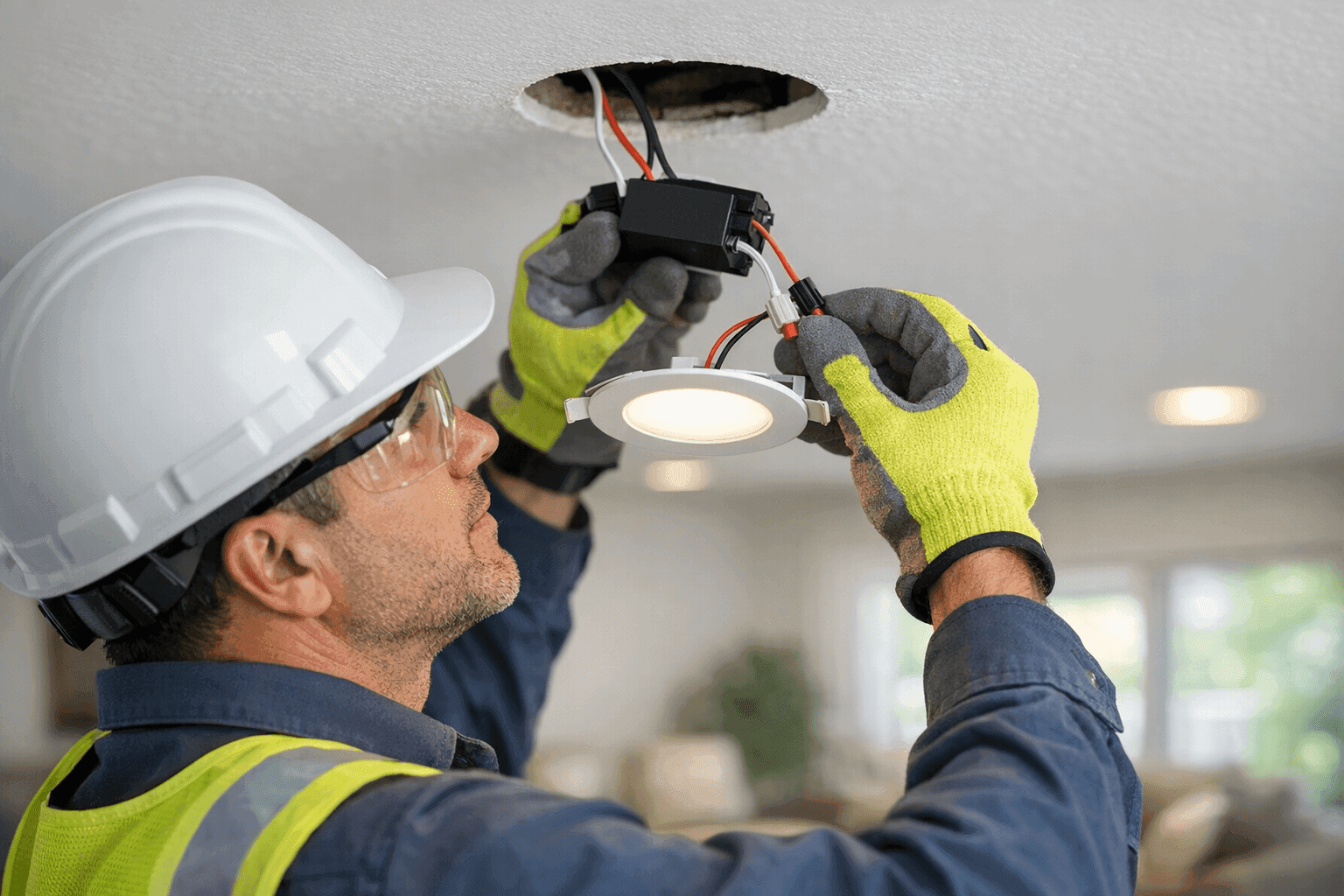
Is it time to rethink the lighting in your home? Many homeowners are turning to low voltage lighting for everything from living rooms to garden paths. But, like any electrical upgrade, it’s smart to weigh the pros and cons before you decide. At Lighteq Electric, we’ve helped families enjoy safer, smarter, and more energy-efficient lighting—without surprises along the way.
Below, we’ll break down what low voltage lighting really means, where it shines brightest, and when you might want to stick with traditional options. Whether you’re planning a new installation or just curious about your choices, you’ll walk away with clarity.
What Is Low Voltage Lighting? ⚡
Low voltage lighting uses a transformer to reduce your home’s standard 120-volt power down to 12 or 24 volts. Imagine a gentle stream compared to a rushing river—that’s the difference in electrical “pressure.” This system is common in landscape lighting, accent fixtures, and even modern LED setups.
A transformer, usually installed in a safe, accessible location, acts as the control center. It receives the regular household current and “steps it down,” making it safer for you and your family—especially in areas where water and electricity might cross paths, like pool & spa electrical near you.
Benefits and Drawbacks
The Bright Spots
- Safety First: Lower voltage means less risk of shock. This is especially important in children’s rooms, bathrooms, and outdoor spaces.
- Energy Savings: Many low voltage systems use LED bulbs, which sip energy without sacrificing light. Your power bill—and the environment—will thank you.
- Flexible Design: Want to highlight artwork or create mood lighting? Low voltage systems offer more creative options, like adjustable spotlights and slim fixtures.
- Longer Bulb Life: LEDs and low voltage bulbs tend to last much longer than their high-voltage cousins.
The Flip Side
- Upfront Cost: Transformers and specialized fixtures can cost more at installation. However, longer bulb life and energy savings may offset this over time.
- Complex Installation: While some homeowners try to DIY, mistakes can lead to flickering lights or even short circuits. Professional help ensures every connection is safe and code-compliant.
- Limited Output: Low voltage bulbs are bright, but not always ideal for large or high-ceilinged spaces where a lot of light is needed.
Where Low Voltage Lighting Shines
Low voltage lighting isn’t a one-size-fits-all solution. Here’s where it truly excels:
- Pathways and Gardens: Reduce trip hazards and add nighttime curb appeal.
- Accent Lighting: Perfect for highlighting shelves, artwork, or architectural features.
- Pools & Spas: Safety is critical near water—low voltage reduces risk.
- Under-Cabinet Kitchen Lighting: Adds visibility with a soft, even glow.
- Home Theaters and Media Rooms: Create ambiance without harsh glare.
But it’s not always ideal for:
- Large Living Spaces: High ceilings or rooms that need strong, broad illumination may be better served by standard voltage fixtures.
- Workshop Areas: Where precision tasks happen, more intense light may be necessary.
How Transformers Work (And Why They Matter)
Transformers are the unsung heroes. They quietly take your home’s electricity and tame it, lowering the voltage to safe, usable levels for your low voltage fixtures. Placement matters—a transformer should be accessible but discreet, away from moisture and excessive heat.
A well-sized transformer ensures your system runs smoothly. Too small, and your lights may flicker or underperform. Too large, and you’re wasting energy. Electricians calculate your home’s needs, factoring in cable length, fixture type, and overall load.
Energy Efficiency: Real-World Savings
According to the U.S. Department of Energy, LED-based low voltage lights use at least 75% less energy and last up to 25 times longer than traditional incandescent lighting. That’s a real impact you’ll see on your utility bill—and in fewer trips up a ladder to change bulbs.
Safety Considerations at Home
Low voltage doesn’t mean “no risk.” All wiring and connections must meet standards set by the National Electrical Code (NEC). Outdoor installations require weatherproof components, and connections should be protected from tampering, pets, and pests.
Always schedule regular electrical safety inspections. A licensed electrician will check for worn wires, loose connections, and transformer issues—so small problems don’t turn into big headaches.
DIY vs. Calling an Electrician
Installing low voltage lighting might seem simple. Kits are sold at home improvement stores, and online videos make it look easy. But here’s the catch: mistakes are common.
Common pitfalls include:
- Overloading the transformer
- Improper wire gauge selection
- Exposed outdoor connections
- Poor placement leading to dark spots or glare
A professional electrician from Lighteq Electric brings the right tools, training, and experience. We follow code requirements and ensure your lighting stands the test of time.
Common Mistakes to Avoid
- Mixing incompatible fixtures: Not all lights play nicely with every transformer or dimmer.
- Ignoring total wattage: Overloading circuits risks damage and shortens equipment life.
- Skipping permits or inspections: Electrical work, even low voltage, often requires permits for legal, insurance, and safety reasons.
Maintenance and Troubleshooting
Low voltage systems are sturdy, but not immune to wear. Here’s how to keep your lights shining:
- Inspect connections every season, especially after storms.
- Clean fixtures to remove dust and debris.
- Replace bulbs with the correct type and wattage.
- Check transformer performance if lights dim or flicker.
If you’re unsure, schedule a routine maintenance visit with our Lighting team.
Cost Factors: What to Expect
Expect to pay more upfront for quality fixtures and a transformer. Installation costs vary depending on the system’s complexity, home layout, and local code requirements. While some homeowners see payback in energy savings within a few years, the real value comes from improved comfort and safety.
Timeline and Disruption
A typical low voltage installation can be completed in a day or two, depending on the project’s size. For outdoor projects, weather can play a role. Indoors, there may be some minor patching or painting, but disruption is minimal compared to larger electrical upgrades.
Frequently Asked Questions
Are low voltage lights dimmable?
Many are, but you’ll need compatible dimmers and fixtures. Ask your electrician before buying.
Can I add more lights later?
Yes, if your transformer has extra capacity. Otherwise, you may need to upgrade.
Will low voltage lighting work during a power outage?
Not unless you have a backup generator—another area where Lighteq Electric can help.
Seasonal Considerations
Outdoor low voltage systems need extra care in cold or rainy seasons. Protect connections with weatherproof enclosures and check for frost heave that might disturb buried cables.
Signs of Trouble
- Flickering or dim lights
- Buzzing from the transformer
- Lights not turning on
If you notice these, it’s time to call a licensed electrician.
When It’s an Emergency
While low voltage systems are safer, exposed wires or malfunctioning transformers are still hazards. If you see smoke, smell burning, or notice sparks, turn off power at the breaker and call for emergency service immediately.
The Lighteq Electric Approach
We take pride in clear advice and honest work. Our team handles everything from design and installation to safety checks and repairs. If you’re searching for Low Voltage Systems in your area, including those looking for an electrician, we’re ready to help.
The Bottom Line
Low voltage lighting offers outstanding safety, energy savings, and design flexibility—especially for accent, landscape, and specialty lighting. It’s not always ideal for every room, so consider your family’s needs, space size, and usage before making the switch.
Ready to brighten your home with safer, more efficient lighting?
Call Lighteq Electric now — or reach us anytime at 855-552-3493 .