How to Protect Appliances from Power Surges and Electrical Damage
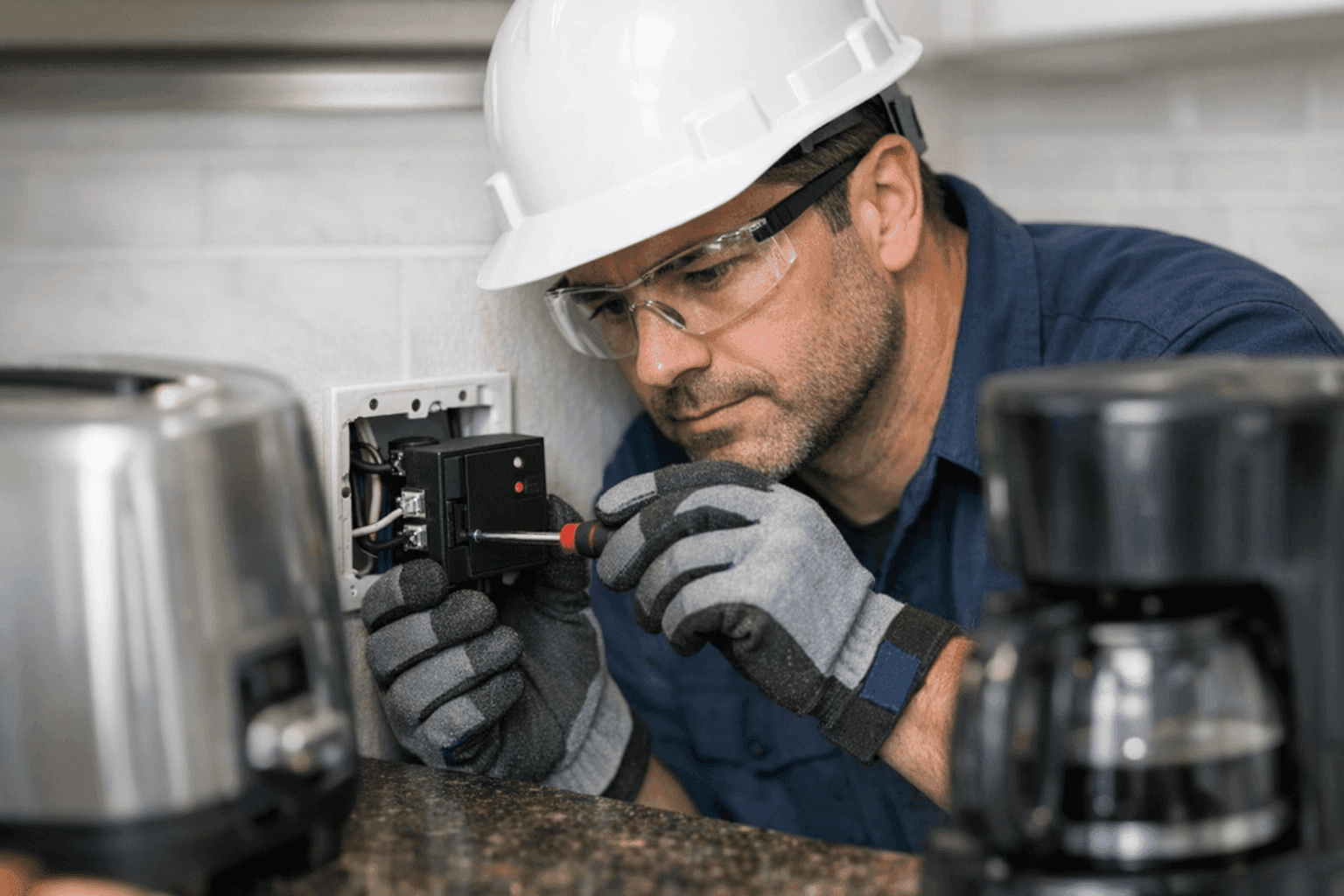
Is your fridge suddenly flickering? TV screen acting up after a storm? That sick feeling in your stomach is all too familiar when appliances break down out of nowhere. Power surges can strike without warning, leaving behind expensive damage. For every homeowner, knowing how to protect your appliances isn’t just smart—it’s essential.
At Lighteq Electric, we see the aftermath of surges every week. The good news: a few preventative steps can mean the difference between a quick reset and a costly replacement. Let’s break down what you need to know, in clear, simple terms.
How Surges Damage Appliances ⚡
Ever seen a river overflow after heavy rain? That’s what happens inside your wiring during a power surge. A sudden spike in voltage—caused by lightning, damaged power lines, or even large appliances cycling on—rushes into your home. Appliances are designed for a certain flow; too much, and sensitive parts inside your TV, fridge, or smart speaker can fry in an instant.
Some damage is dramatic: sparks, burning smells, or a dead appliance. Other times, it’s a slow fade—circuits weaken, electronics glitch, and lifespan shrinks. According to the Electrical Safety Foundation International (ESFI), even minor surges chip away at your devices over time.
The Real Cost of Ignoring Surges
A single surge can mean hundreds—or thousands—of dollars in ruined appliances. Insurance may not always cover “gradual” surge damage, especially if you haven’t taken steps to protect your home. And warranties? Most don’t cover electrical mishaps.
Think of it like this: would you leave your front door unlocked in a storm? Power surges are just as unpredictable, and just as risky to ignore.
Types of Surge Protection: Point-of-Use vs. Whole-Home
There are two main lines of defense:
- Point-of-Use Protectors: These are the familiar plug-in strips with reset buttons. Ideal for TVs, computers, and small electronics. But they don’t cover every outlet, and cheaper models may wear out after a big surge.
- Whole-Home Surge Protectors: Installed at your electrical panel by a licensed electrician, these intercept surges before they reach outlets. Like a goalie for your entire house. They’re especially important if you have expensive appliances or live in a surge-prone area.
Neither is “one size fits all.” For true peace of mind, many homes use both.
Quick Safety Checklist: Is Your Home at Risk?
- Do you use extension cords as permanent solutions?
- Are appliances plugged directly into the wall, unprotected?
- Have you experienced flickering lights or frequent breaker trips?
- Do you live in an area with frequent storms or unstable power?
If you nodded yes—even once—it’s time to rethink your setup.
Best Practices for Appliance Safety
Protecting appliances doesn’t need to be complicated. Start here:
- Use quality surge protector strips for electronics—look for UL 1449 certification.
- Have a whole-home surge protector installed at your service panel. This is a job for a qualified electrician.
- Unplug sensitive items during severe storms or when away for extended periods.
- Check and replace surge protectors every few years. They wear out!
- Schedule regular electrical safety inspections. Problems caught early cost less.
- Don’t overload circuits. Spread out major appliances when possible.
When to Upgrade Your Protection
Still using a decade-old power strip? Upgrading surge protection is smart if:
- You’ve added new appliances (think: smart home tech, EV chargers, or a pool).
- Your home’s wiring is more than 20 years old.
- You’ve noticed frequent surges or unexplained appliance failures.
- You’re investing in high-ticket appliances—don’t skimp on protection.
Home upgrades are ideal moments to add whole-home surge protection or new Outlets & Switches.
Surge Protection and Homeowner’s Insurance
Surge damage can be a gray area for insurance. Some policies require evidence of certified surge protection to approve claims. Check your policy and talk to your insurer. It’s peace of mind worth having.
Pool & Spa Electrical Near You: Special Considerations
Pools and spas aren’t just “big bathtubs”—their pumps, heaters, and lighting systems are surge magnets. Specialized surge protection and GFCI outlets are essential for safety and code compliance.
Lighteq Electric’s surge-protection services are designed for these high-risk zones. Never cut corners when water and electricity mix.
DIY or Call a Pro? Knowing Your Limits
Plugging in a surge protector strip? That’s DIY. Upgrading your electrical panel or installing a whole-home device? That’s a job for a licensed electrician. Electrical code (like NEC 2023 guidelines) doesn’t just protect your house—it protects you.
What Pros Do On Arrival
A trained electrician will:
- Inspect your panel and wiring for weak spots or outdated equipment.
- Test your grounding system—vital for surge protection to work.
- Advise which surge protection options fit your home and budget.
- Install and test the devices, ensuring they’re up to code.
Prevention & Maintenance: The Long Game
Don’t think of surge protection as “set it and forget it.” Make it part of your yearly checklist:
- Test GFCI and AFCI outlets monthly.
- Visually inspect surge protectors for scorch marks or wear.
- Book an electrical safety inspection every 1–2 years, especially after renovations or big storms.
Costs & Time Factors
Whole-home surge protector installation usually takes a few hours. The investment? Often less than the price of replacing a single high-end appliance.
Point-of-use strips are budget-friendly but must be replaced regularly. Think of them as helmets—don’t keep using one after a crash.
When It’s an Emergency
Smell burning? See smoke or sparks? Hear loud pops during a storm? Shut off power at the main breaker and call for emergency electrician service immediately.
Seasonal Considerations
Storm season means more surges. But winter’s heater kick-ons and summer’s AC cycles can also trigger spikes. Year-round vigilance pays off.
Common Mistakes Homeowners Make
- Using cheap, uncertified surge protectors.
- Overloading outlets or power strips.
- Ignoring manufacturer recommendations for appliance connection.
- Delaying needed panel or wiring upgrades.
Signs of Trouble: Know When to Act
Don’t ignore these signals:
- Frequent tripped breakers.
- Appliances that reset on their own.
- Flickering or dimming lights throughout the house.
- Buzzing, sizzling, or any unusual noises at outlets.
Timeline & Disruption: What to Expect
Most surge protection upgrades cause minimal disruption. Typically, power is off for under an hour. A little planning can save a lot of headache.
Materials and Equipment Used
Quality matters. Lighteq Electric uses UL-listed devices, modern panels, and code-compliant wiring for every install. It’s not just about passing inspection—it’s about keeping your home and family safe.
The Bottom Line: Appliance Safety Starts With You
Surge protection isn’t a luxury—it’s a necessity for every modern home. From smart fridges to pool pumps, protecting your investment starts with a phone call. For certified solutions, regular maintenance, and dependable electrician services, Lighteq Electric is here to help.
Call Lighteq Electric now — or reach us anytime at 855-552-3493 .