How to Safely Install and Maintain Backup Generators for Homes
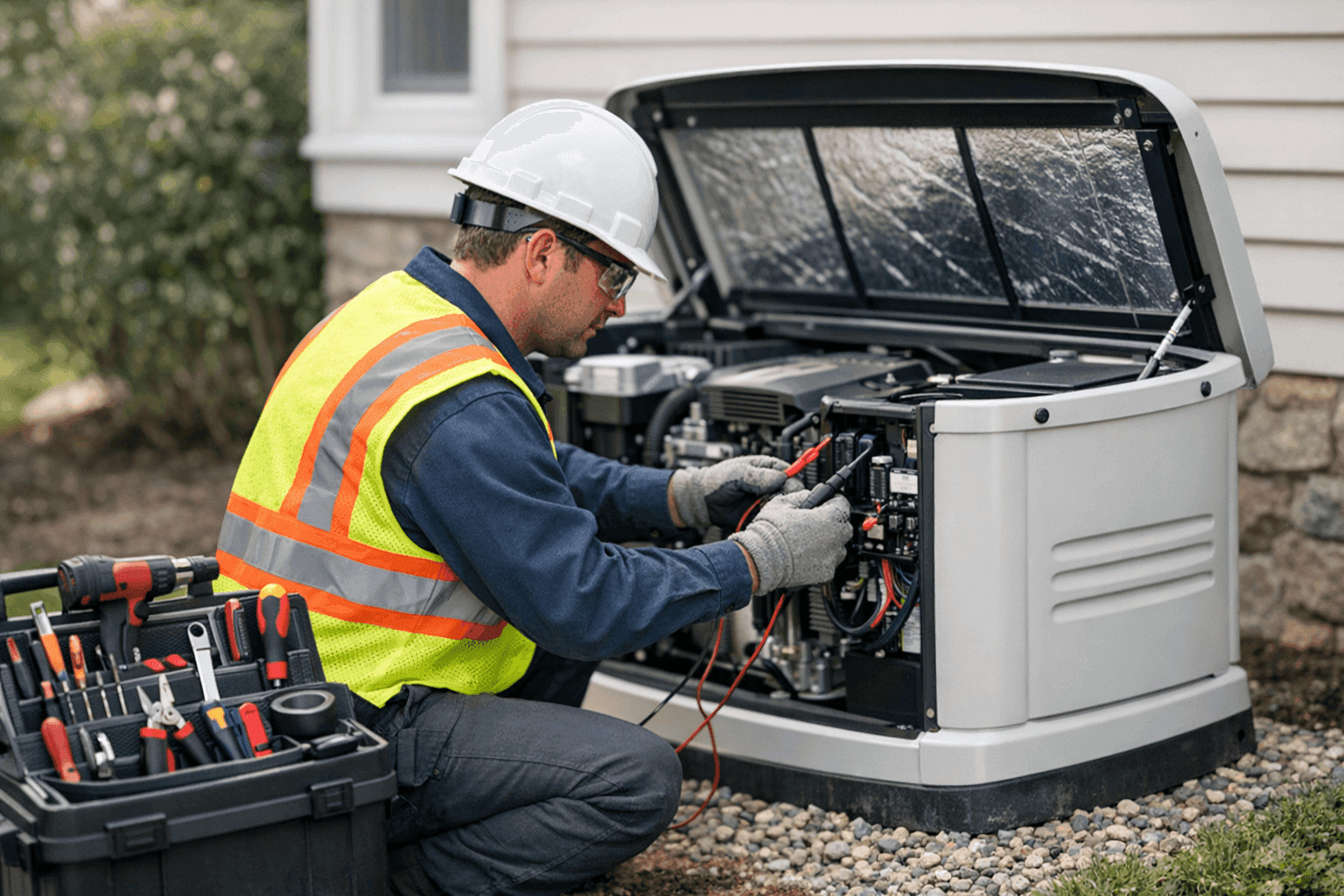
When the lights go out, so does your comfort and peace of mind. A backup generator can be the difference between a minor inconvenience and a major disruption. At Lighteq Electric, we help homeowners keep their families safe, their food cold, and their lives moving—even when the grid goes dark.
Backup generators aren’t just about plugging in and hoping for the best. Safe installation and regular maintenance are essential. Here’s how to stay powered up, no matter what.
How Backup Generators Work ⚡
Think of a backup generator as your home’s safety net. When the power lines go quiet, the generator senses the outage and jumps into action. It’s like having a loyal friend always ready to lend a hand during a storm.
- Automatic Transfer Switch (ATS): This clever device is the brain of the operation. It detects power loss and signals the generator to start.
- Fuel Source: Most home generators run on natural gas, propane, or diesel. Each has its own requirements—no one-size-fits-all solution.
- Wired Into Your Electrical System: Proper installation ensures your generator powers only what you need, not the whole block.
For more detailed information, the National Fire Protection Association (NFPA 70/NEC) sets the gold standard for electrical safety guidelines.
Safety Checklist Before You Begin
Before you even think about switching on a generator, check these basics:
- Is your generator rated for your home’s needs? Too small, and it’s like trying to fill a bathtub with a teacup.
- Is the unit at least five feet from windows and doors? Exhaust is silent but deadly.
- Have you reviewed the manufacturer’s instructions? They aren’t just paperweights.
- Are all cords and connections dry and undamaged?
- Do you have working carbon monoxide detectors installed nearby?
Never ignore local codes or utility requirements. These rules aren’t red tape—they’re lifelines.
DIY or Call a Pro?
Installing a generator isn’t like changing a lightbulb. It’s more like rewiring the heart of your house. Mistakes can lead to fires, property damage, or worse.
- Leave connections to a licensed electrician.
- Only a certified electrician can ensure your setup meets local and national codes.
- Incorrect installation can void warranties or insurance.
If you’re not sure, don’t roll the dice—call for professional help. Lighteq Electric’s team is trained in everything from Pool & Spa Electrical near you to backup generator installation.
What Pros Do On Arrival
When an electrician from Lighteq Electric arrives, here’s what you can expect:
- Site Assessment: Checking clearances, ventilation, and placement.
- Load Calculation: Making sure your generator won’t be overloaded.
- Permitting: Handling all local permits and inspections.
- Wiring the ATS: Integrating the generator safely into your home’s electrical panel.
- Testing: Running the system and explaining safe operation.
No guesswork. No shortcuts.
Step-by-Step Installation Process
Ready to see how it all comes together?
- Select the Right Generator: Size matters. Too big wastes fuel; too small leaves you in the dark.
- Choose a Safe Location: Avoid flood-prone and enclosed spaces.
- Secure Permits: These keep you on the right side of the law.
- Install the ATS: Professional electricians wire the switch to your home’s main panel.
- Fuel Line Connection: Gas lines require licensed technicians.
- Initial Testing: Fire up the system and check for leaks, odd noises, or error codes.
- Final Inspection: Local authorities sign off before you rely on it.
Maintenance Schedule: Keep It Running Smoothly 🛠️
A generator is like a car—it needs regular care to run when you need it most.
- Weekly: Run the generator for 10–20 minutes. Listen for odd sounds.
- Monthly: Check oil, coolant, and fuel levels. Confirm no leaks.
- Quarterly: Inspect battery and terminals. Clean as needed.
- Yearly: Replace air and fuel filters, spark plugs, and oil.
- After Every Outage: Give it a visual check. Remove debris, check for wear, and document any issues.
Stick to the schedule in your owner’s manual. For peace of mind, set reminders on your phone or calendar.
Troubleshooting and Testing
Things don’t always go as planned. If your generator stalls or refuses to start, don’t panic.
- Check Fuel Levels: Low fuel = no power.
- Inspect the ATS: Make sure it’s in the right position.
- Battery Health: Dead batteries are a common culprit.
- Error Codes: Most generators have self-diagnostics. Note the code before calling an electrician.
Still stuck? Schedule a service visit. Our maintenance team is trained to spot issues before they escalate.
Common Mistakes Homeowners Make
- Skipping Permits: It might seem like a hassle, but it’s essential for safety and insurance coverage.
- Ignoring Maintenance: Out of sight, out of mind—until a storm hits.
- Poor Placement: Too close to the house or vents can lead to carbon monoxide risk.
- Overloading Circuits: Don’t try to power the whole house with a small unit.
Signs of Trouble: What to Watch For
- Unusual smells (fuel or burning)
- Loud knocking or grinding noises
- Error messages or warning lights on the control panel
- Frequent stalling or failure to start
- Soot or smoke around the unit
Don’t ignore these warning signals. Small issues can snowball fast.
Prevention & Maintenance Tips
- Keep the area around your generator clear of leaves, snow, and clutter.
- Schedule annual professional inspections.
- Change oil and filters as recommended.
- Test your system monthly—even if you’ve had no outages.
The Electrical Safety Foundation International (ESFI) recommends regular checks to avoid surprises.
Costs & Time Factors
- Installation Time: Usually 1–3 days, including permitting and inspections.
- Maintenance: Budget for annual servicing and parts replacement.
- Fuel Costs: Vary depending on usage and fuel type.
A backup generator is an investment in comfort and safety. It pays off every time the grid goes silent.
When It’s an Emergency
If you smell gas, see smoke, or hear odd noises, shut down the generator immediately. Evacuate if you suspect carbon monoxide is present. Call emergency services, then contact Lighteq Electric for urgent repairs. We provide 24-hour Backup Generators.
Timeline & Disruption: What to Expect
Life won’t stop for installation, but there will be noise, brief power interruptions, and workers on site. Plan for pets and children, and secure valuables away from the work area.
Seasonal Considerations
- Winter: Check for snow or ice buildup.
- Summer: Ensure proper ventilation and shade.
- Storm Season: Test your system before severe weather arrives.
Materials & Equipment Needed
Professional installation typically requires:
- Generator and ATS unit
- Fuel supply (gas line or tank)
- Weatherproof concrete pad or base
- Heavy-duty wiring and connectors
- Permits and inspection documents
Never substitute with “good enough” gear. Safety first, always.
FAQ: Your Top Backup Generator Questions
Q: How long will my generator power my home?
A: It depends on fuel supply and load. Most whole-home units can run several days with proper fuel.
Q: Can I install a generator myself?
A: Not recommended. Electrical and gas connections must meet strict codes for safety.
Q: How often should I test my generator?
A: Monthly at minimum, more frequently during storm seasons.
Q: What if I move?
A: Generators can be relocated, but always use a professional electrician company—like the ones serving Backup Generators.
No one likes to be left in the dark. With certified installation and regular maintenance from Lighteq Electric, your home stays safe and comfortable—even when the neighborhood isn’t.
Call Lighteq Electric now — or reach us anytime at 855-552-3493 .