How to Safely Install and Maintain Home Generators
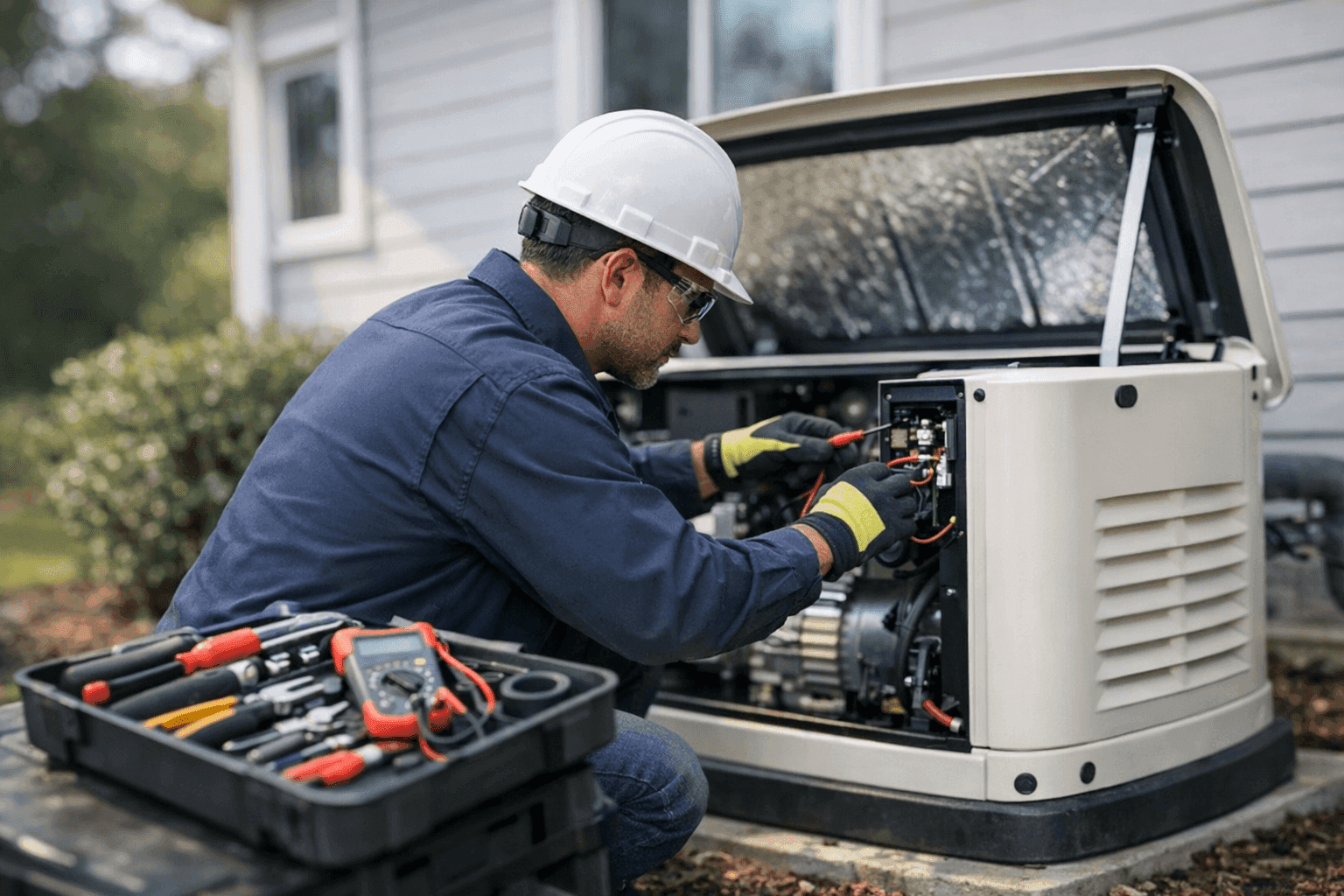
When the power goes out, life comes to a halt. The fridge hums to silence. Lights flicker. Devices die. If you have medical equipment, or depend on warmth in winter, the stakes are even higher. That’s when a home generator becomes more than a convenience—it’s peace of mind.
Lighteq Electric has helped hundreds of homeowners install and maintain generators, ensuring their homes stay powered, safe, and comfortable. If you’re thinking about backup power, or want to know how to keep your generator reliable, this guide is for you.
Types of Home Generators 🏠
Not all generators are created equal. Think of them as vehicles—some are compact city cars, others are rugged SUVs. It all depends on your needs:
- Portable Generators: Easy to move. Good for running a few essentials—like a fridge or sump pump—during short outages. Usually gasoline-powered.
- Standby Generators: Permanent fixtures. These fire up automatically when the power drops. They can power your whole home, including heating, cooling, and sensitive electronics. Often fueled by natural gas or propane.
- Inverter Generators: Smaller, quieter, and great for sensitive electronics. They adjust power output as needed, which makes them more efficient and less noisy.
Before choosing, consider what you need to keep running. Do you only need lights and a few outlets, or do you want whole-house backup? Think about fuel sources, too. Gasoline is easy to get, but tricky to store safely. Propane and natural gas are cleaner and more convenient when available.
Safe Installation Steps
Installing a generator isn’t like plugging in a toaster. There are real risks: shock, fire, and even carbon monoxide poisoning. Here’s what a safe installation looks like:
- Site Assessment: A licensed electrician from Lighteq Electric will visit your home. We’ll check your electrical panel, measure available space, and ensure ventilation meets safety standards.
- Permitting and Code Compliance: Electrical work must follow the National Electrical Code (NEC) and local rules. Permits aren’t just red tape—they protect you from dangerous shortcuts. Always insist on code-compliant installation.
- Transfer Switch Installation: This is the “brain” that tells your home to draw power from the generator when the grid goes down. It prevents dangerous backfeeding—a real hazard for utility crews and your neighbors. Manual or automatic, a transfer switch is never optional.
- Fuel Connections: Safe, leak-free hookups for natural gas or propane are critical. If your generator uses gasoline, always store fuel in approved containers, away from living spaces.
- Testing: Once installed, the system is tested under load. We’ll show you how to use it, and explain what to do in an outage.
Never run a portable generator inside your home or garage. Always keep it at least 20 feet from doors and windows, with the exhaust pointing away from your house.
What a Licensed Electrician Does on Arrival
When you call for installation or repair, our team doesn’t just “hook it up.” We:
- Inspect your existing wiring and panel for safety hazards.
- Calculate your power needs (so you don’t overload circuits).
- Review your home’s layout to find the safest, most practical spot for the generator.
- Handle all code requirements and paperwork.
- Perform thorough safety checks before leaving.
Maintenance Schedule: Keeping Your Generator Ready
A generator is like a car. Ignore it, and it’ll fail you when you need it most. Follow these key maintenance steps:
- Every Month: Run your generator for a few minutes (“exercise” cycle). Listen for odd noises. Check fuel and oil levels.
- Every 6 Months: Inspect air and oil filters. Look for leaks or corrosion.
- Annually: Replace spark plugs, change oil and filters, and test battery function. Schedule a full inspection by a professional electrician—especially if your generator powers critical systems.
- After Every Use: Let it cool, then top off fluids and clean debris from vents.
Refer to your manufacturer’s manual for specifics. For standby units, most brands recommend professional service at least once a year.
The Quick Safety Checklist ✔️
Here’s a fast way to spot trouble before it starts:
- Check for frayed wires or visible damage.
- Make sure fuel lines are secure and leak-free.
- Test carbon monoxide detectors near generator locations.
- Keep the area around your generator clear—no leaves, snow, or clutter.
- Review your transfer switch operation before storm season hits.
Code Compliance: Why It Matters
Electrical codes aren’t suggestions. They protect you, your home, and utility workers. The National Electrical Code (NEC) is updated every three years, and local jurisdictions may add further requirements.
Lighteq Electric stays current with all code updates. We secure permits and arrange inspections, so you’re never left guessing if your installation is safe—or legal.
Fuel Choices: What’s Best for Home Use?
- Gasoline: Common for portable generators, but has a short shelf life. Store only what you need, and use stabilizer.
- Propane: Cleaner, stores well, and easy to connect to large tanks.
- Natural Gas: Permanent supply, no refueling. Great for standby units.
- Diesel: Used for larger generators. Reliable but requires more maintenance.
Match your generator to what’s easy and safe to access in your area and for your needs. If you’re unsure, ask your electrician for advice.
Transfer Switches: Your Silent Safety Net
A transfer switch is what keeps your generator and power grid from playing tug-of-war. It isolates your home from the main line, so electricity from your generator doesn’t flow back out to the street.
Manual switches require you to flip a lever; automatic ones do it for you. Both are essential for protecting your family and anyone working nearby.
Common Issues and Troubleshooting 🛠️
Even the best generators can develop problems. Here’s what to watch for:
- Won’t Start: Check fuel, battery, and circuit breakers. Old fuel is a common culprit.
- Stalling or Surging: Dirty air filters or stale fuel may be to blame.
- Strange Noises: Could be loose parts, low oil, or internal damage.
- No Power to House: The transfer switch or breaker may have tripped.
If you’re not comfortable troubleshooting, call a professional. DIY fixes on electrical equipment can be dangerous.
DIY vs. Calling a Pro
Changing the oil? You might handle that. Installing a transfer switch or rewiring circuits? That’s pro territory.
Generators are powerful machines. Mistakes can lead to fires, shocks, or even void your warranty. When in doubt, call an electrician.
Lighteq Electric is always ready to help with safe installations, repairs, and maintenance.
Prevention and Maintenance Tips
- Schedule annual checkups, especially before storm seasons.
- Keep owner’s manuals and maintenance logs in a handy spot.
- Teach everyone in your home how to safely operate the generator.
- Check local rules—some areas have noise or placement restrictions.
When It’s an Emergency
If you smell gas, see smoke, or your generator has been submerged in water—shut it down and call for help. Don’t try to restart a damaged generator. Safety always comes first.
Seasonal Considerations
Winter storms and summer heatwaves both strain the grid. Test your generator before each peak season. Clear snow or debris from vents, and make sure fuel supplies are fresh.
Common Mistakes to Avoid
- Running generators indoors or too close to windows.
- Skipping regular oil changes or filter replacements.
- Overloading circuits by plugging in too many devices at once.
- Forgetting to schedule yearly professional inspections.
A little attention now saves a lot of trouble later.
Signs Your Generator Needs Service
- Delayed start-up or frequent stalling.
- Unusual vibrations or sounds.
- Warning lights or error codes.
- Burnt smells or visible smoke.
Don’t ignore these. Early repairs can prevent major failures.
What to Expect: Timeline & Disruption
Installing a standby generator usually takes a day or two, including permitting and inspections. Portable units are quicker, but still need a transfer switch for safe operation.
We work to minimize disruption, and always leave your home just as we found it.
Materials and Equipment Used
We use only UL-listed wiring, transfer switches, and safety-rated fuel lines. Every install meets or exceeds local and national code requirements. That’s true whether you need Pool & Spa Electrical near you or a whole-home backup generator.
FAQ: Your Generator Questions Answered
How often should I service my generator?
Test monthly, and schedule professional maintenance annually.
Can I install a generator myself?
Only if you’re trained and licensed. For most homeowners, a certified electrician is the safest choice.
Is my generator safe for computers and electronics?
Many inverter and standby generators have “clean” output, but always check your model’s specs.
How do I know what size generator I need?
Add up the wattage of essentials, then talk to your electrician contractor for sizing.
For more information or specific advice, see our Backup Generators service page, or talk to our team about electrician services in your area.
If you're looking for an electrician company with experience in Generator installations and electrician specialists in Maple Grove, Lighteq Electric is here to help.
Ready for safe, seamless backup power?
Call Lighteq Electric now — or reach us anytime at 855-552-3493 .