How to Safely Install and Maintain Machine Wiring at Home
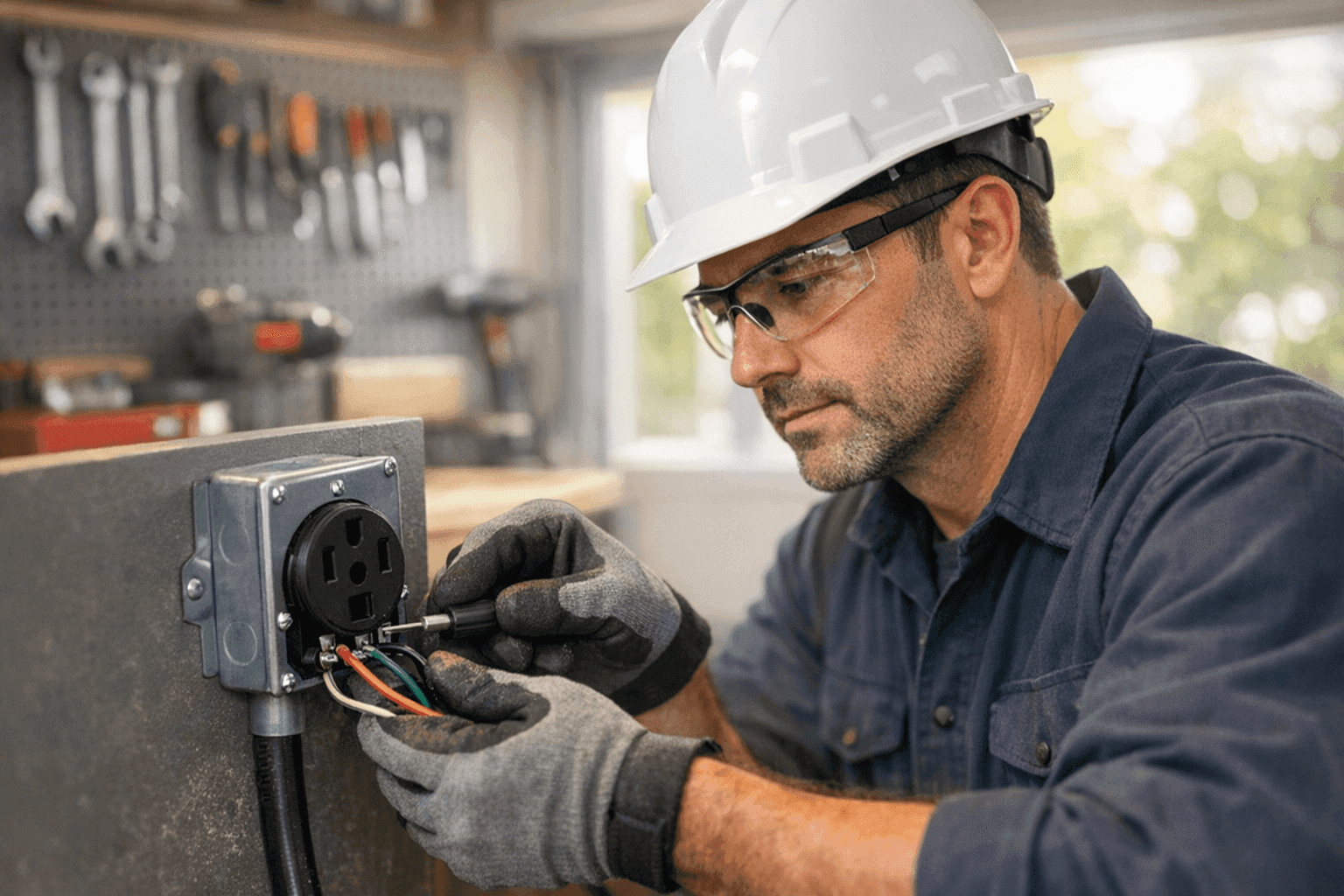
When a new project calls for more power in your home workshop, the urge to just “get it running” is strong. But pausing to wire machines the right way keeps you, your family, and your investment safe. At Lighteq Electric, we’ve seen what can go wrong—and how simple steps save headaches later.
Machine wiring in your garage or basement isn’t just about getting the job done. It’s about meeting code, preventing fires, and giving your tools a long, healthy life. If you’re thinking about adding a table saw, air compressor, or even an EV charger, keep reading. We'll walk you through what matters most.
Machine Wiring Basics ⚡
Machine wiring at home is about more than plugging in a new gadget. Think of it like setting up the arteries of your workspace—the right size and type of wire keeps everything flowing safely. Most machines, especially stationary ones like table saws or drill presses, draw much more power than a lamp or TV.
Key basics:
- Dedicated Circuits: Machines need their own circuit, with no sharing.
- Proper Outlets: Heavy-duty outlets and switches are a must.
- Right Wire Gauge: Thicker wires for higher current—never guess.
According to the National Electrical Code (NEC), every fixed machine needs a dedicated circuit, properly sized for its load. Skipping these basics is like trying to run a river through a garden hose—eventually, something bursts.
Circuit Sizing and Safety
Sizing circuits is where safety starts. The wrong size can overheat wires, trip breakers, or even start fires. Here’s what to check:
- Machine Specs: Look for voltage and amperage on the nameplate.
- Wire Gauge: Use NEC tables to find the right wire size. For example, a 20-amp circuit needs at least 12 AWG copper wire.
- Breaker Size: Match the breaker to the wire and machine—not bigger, not smaller.
Local rules sometimes add extra requirements. Always check the latest code or consult a licensed electrician if unsure.
Quick Safety Checklist
Before grabbing a screwdriver, run through this list:
- Turn Off Power: Always shut off the main breaker before working.
- Test for Voltage: Use a voltage tester even after flipping the breaker.
- Check Your Tools: Insulated handles, sharp wire strippers, and a sturdy ladder go a long way.
- Read the Manual: Every machine has nuances—don’t skip the fine print.
If something feels off—burning smell, buzzing, loose wires—stop. That’s your cue to call a pro.
DIY vs. Call a Pro
Some wiring jobs are simple. Others are a maze. If you’re comfortable and know the code, you might tackle basic outlets or switches. But for anything involving:
- High voltage
- New circuits
- Panel upgrades
- Unfamiliar machines
…it’s best to call a licensed electrician. Mistakes can be costly—or dangerous. For specialized needs like machine wiring or wiring and circuits, professional help pays off in peace of mind.
What Pros Do On Arrival
When you call Lighteq Electric, here’s the process:
- Assessment: We inspect your panel, outlets, and machine requirements.
- Load Calculation: Properly size circuits and check for capacity.
- Code Review: Ensure everything meets NEC and local codes.
- Safe Installation: Secure connections, GFCI protection where needed, and safe routing.
- Testing: Power up, test operation, and double-check for faults.
Pros also spot issues you might miss—like old aluminum wiring or hidden moisture problems.
Installation Steps
If you’re ready to wire a machine, follow these core steps:
- Plan the Route: Map out the shortest, safest path from breaker to machine.
- Cut Power: Always start with everything off.
- Install the Box: Use a metal junction box rated for the amperage.
- Run Conduit or Cable: Securely fasten to walls and ceilings.
- Wire Connections: Match colors—black (hot), white (neutral), green or bare (ground).
- Install Breaker: Only if you’re qualified; otherwise, leave this to a pro.
- Label Everything: Future-you will thank you.
Take your time. Rushing is when accidents happen.
Maintenance Tips 🛠️
Machine wiring isn’t “set it and forget it.” Ongoing maintenance prevents many headaches:
- Inspect Regularly: Look for frayed wires, loose outlets, or scorch marks.
- Clean Dust: Especially in garages and workshops—dust and metal shavings conduct electricity.
- Test GFCIs: Push the test button monthly.
- Check Connections: Tighten screws and terminals every six months.
- Listen and Smell: Buzzing, humming, or burning odors spell trouble.
For routine maintenance, schedule annual safety checks.
Prevention & Maintenance
Preventing problems is easier (and cheaper) than fixing them later. Adopt these habits:
- Don’t Overload: Never plug multiple machines into one outlet.
- Keep Dry: Moisture and electricity are a bad mix.
- Organize Cords: Avoid trip hazards and yanked plugs.
A little prevention goes a long way—think of it like oil changes for your car.
Costs & Time Factors
How much will this set you back? For basic machine wiring, parts are often under $100. Labor adds more, especially for complex jobs. Most installs take a few hours, but panel upgrades or tricky routes can stretch longer.
Plan ahead—schedule when your workshop isn’t busy, and expect some disruption if walls or ceilings need opening.
When It’s an Emergency
Some problems can’t wait:
- Sparking Outlets
- Burning Smells
- Repeated Breaker Trips
- Loss of Power to Essential Equipment
If you see any of these, shut off power and call for emergency service—don’t risk a fire or injury. Lighteq Electric offers 24-hour support for urgent situations.
Common Mistakes to Avoid
We see these slip-ups too often:
- Undersized Wire: Causes overheating and fire risk.
- Loose Connections: Sparks and arcing.
- Improper Grounding: Shocks and equipment damage.
- Ignoring Code: Big trouble with insurance and inspections.
Double-check your work, or have a pro review it.
Signs of Trouble
Don’t ignore early warnings:
- Buzzing Outlets
- Dimming Lights When Machines Start
- Warm Wall Plates
- Breakers That Won’t Reset
These are your machine’s way of crying out for help.
Timeline & Disruption
Most machine wiring jobs wrap up in half a day, but bigger projects—especially panel upgrades—can take longer. Expect some noise, dust, and maybe a few holes in the wall. Good planning and communication keep surprises to a minimum.
Materials and Equipment
You’ll need:
- Proper wire (check gauge and type)
- Breaker matched to your machine
- Heavy-duty outlet and switch
- Metal boxes and conduit
- Wire nuts, screws, and labels
Quality materials matter. Cheap parts can fail when you least expect it.
Workshop Safety
Safety isn’t just about wires. Protect yourself:
- Wear safety glasses and gloves
- Keep your workspace dry and well-lit
- Never work alone
- Know where your main breaker is
Treat your workshop like a laboratory—order and caution first.
Code-Compliance: Why It Matters
Electrical codes aren’t just red tape—they’re the rules that keep everyone safe. The NEC, along with your local building department, sets standards for everything from wire size to outlet placement.
Not sure if your work is up to code? Schedule an inspection. It’s the best way to avoid headaches if you ever sell your home or file an insurance claim.
FAQ
Do I really need a dedicated circuit for every machine?
Yes. Sharing circuits risks overloads and nuisance trips.
Can I use extension cords for heavy machines?
No. Extension cords are for temporary use only, and most aren’t rated for high loads.
What’s the best way to future-proof my workshop wiring?
Install extra conduit and boxes while walls are open. It’s much cheaper now than later.
Who inspects my work?
Local building officials or a licensed electrician. Always get permits for major wiring jobs.
Seasonal Considerations
Remember, temperature and humidity affect wiring. In cold garages, wire can get brittle. In humid basements, corrosion creeps in. Check connections at least once a season, especially before big projects.
Machine Wiring in Your Area
If you’re in need of Machine Wiring, our team understands the unique needs of home workshops and garages.
Ready to Power Up Safely?
Wiring machines at home brings freedom and flexibility—but only when done right. Lighteq Electric is here to help with every step, from planning and installation to ongoing safety checks. Don’t put your home, tools, or safety at risk.
Call Lighteq Electric now — or reach us anytime at 855-552-3493 .