How to Safely Install and Maintain Motor Control Systems for Home Equipment
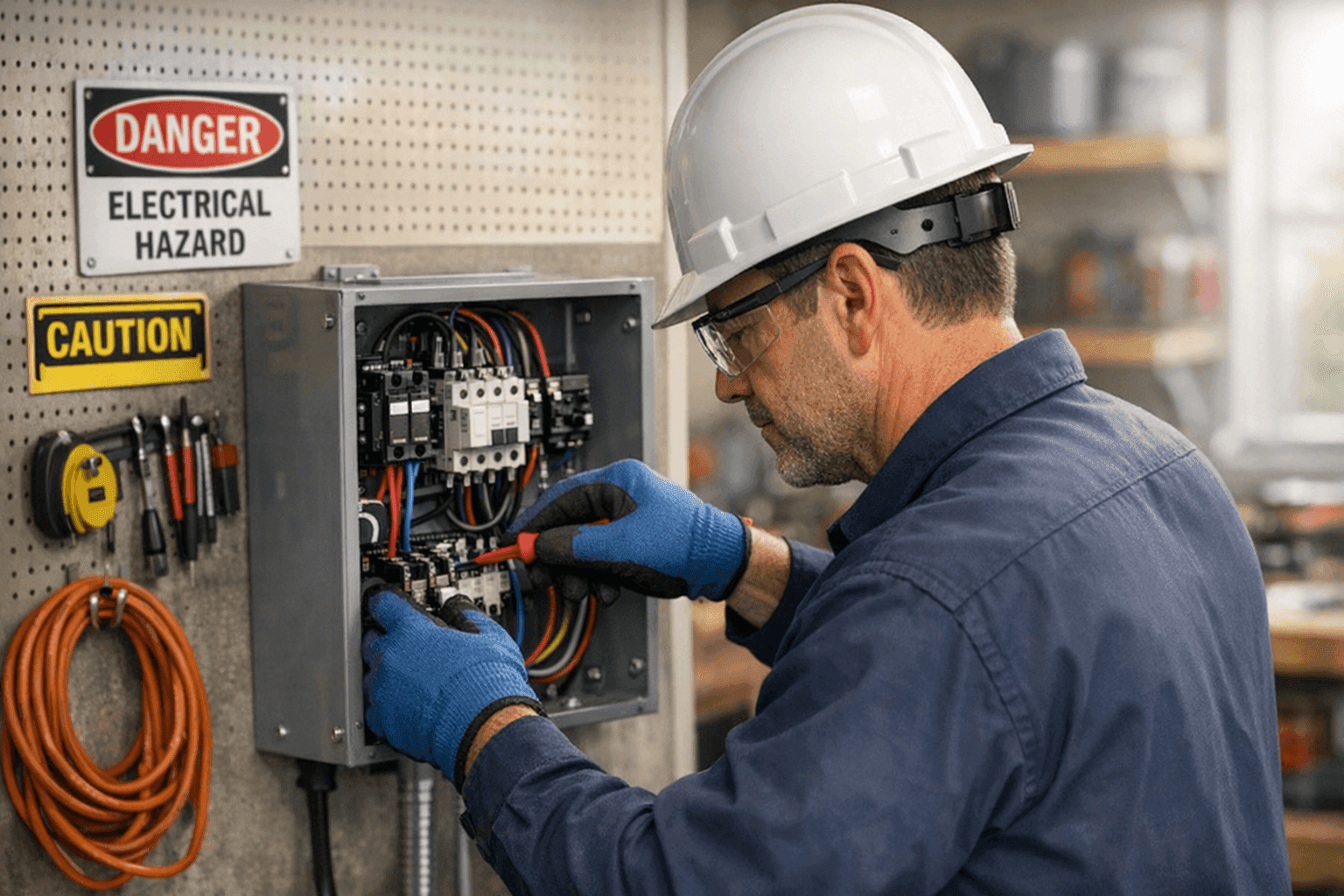
When your treadmill hums to life or your pool pump kicks in, there’s a silent partner in the background—your motor control system. At Lighteq Electric, we understand how these hidden heroes keep your home running smoothly. But when something goes wrong, the stakes are high. Faulty wiring and mishandled controls don’t just cause inconvenience—they can put your safety on the line.
Feeling overwhelmed by the thought of electrical work? You’re not alone. Many homeowners wonder if it’s safe to take on motor control projects themselves, or when it’s time to call an electrician. This guide will give you the clarity and confidence to make smart, safe choices for your home.
What Are Motor Control Systems? ⚡
Think of motor control systems as the “brains” behind the brawn of your home’s machines. They decide when and how your equipment runs—turning motors on, off, speeding them up, or slowing them down. From garage doors to spa pumps, these systems are the secret behind smooth starts and safe stops.
- Components include: switches, relays, circuit breakers, overload protectors, and control panels.
- They protect motors from overheating or starting unexpectedly.
- Essential for both safety and efficiency in residential settings.
For more details about how these systems integrate with your home's wiring, see our motor control systems service page.
Common Home Applications
Motor control systems aren’t just for factories. They quietly power many everyday comforts:
- Pool & Spa Electrical: Pumps, heaters, and filters rely on precise control.
- Garage Doors: Openers use motor control for smooth operation.
- HVAC Systems: Fans and compressors are regulated for safety and energy savings.
- Home Automation: Automated blinds, gates, or fans use small motor controllers.
- Appliances: Washers, dryers, and dishwashers depend on reliable starts and stops.
When you press a button and something moves or spins, a motor control system is likely at work.
Quick Safety Checklist Before You Begin
Electricity isn’t forgiving. Before handling any wiring or panels, run through this checklist:
- Turn off power at the main breaker—never trust a single switch.
- Use a voltage tester to double-check the circuit is dead.
- Wear insulated gloves and boots—just like a construction helmet for your hands and feet.
- Keep water away from your workspace.
- Have emergency contacts handy in case something goes wrong.
Safety comes before speed. If you’re unsure, hit pause and call a professional electrician.
DIY or Call an Electrician?
Some home projects are like changing a lightbulb. Others are more like replacing the engine in your car. Installing or repairing motor control systems falls into the second category.
- DIY may be possible for minor control panel updates—like swapping a relay or button.
- Call an electrician for new installations, rewiring, or when dealing with high-voltage equipment.
Lighteq Electric’s team holds current certifications and stays updated on National Electrical Code (NEC) requirements. For complex jobs, safety and compliance are non-negotiable.
Installation and Wiring Steps
Here’s how a professional approaches motor control installation:
- Assess equipment needs: Review the load, voltage, and environment.
- Plan wiring routes: Map the safest, code-compliant paths for wires and conduits.
- Install the control panel: Securely mount using insulated hardware.
- Wire connections: Carefully connect power, ground, and control wires. Double-check color codes and torque.
- Test the system: Power up gradually, checking for proper operation and signs of trouble—like buzzing or heat.
- Label everything: Future you (or your electrician) will thank you.
For more on complex wiring, see our machine wiring services.
What Pros Do On Arrival
When you call an electrician for motor control work, here’s what to expect:
- Visual inspection of current setup and wiring condition.
- Testing voltage and continuity with specialized meters.
- Reviewing equipment manuals to ensure correct control logic.
- Verifying safety devices (like overload relays and fuses) are present and functional.
- Communicating steps clearly so you’re never left guessing.
Materials and Equipment You’ll Need
A well-stocked toolbox makes the process smoother. For most installations, these are the basics:
- Insulated screwdrivers and pliers
- Voltage tester or multimeter
- Wire cutters/strippers
- Mounting brackets or rails
- UL-listed (or equivalent) control boxes and breakers
- Label maker or tags
Always use components rated for your specific application and follow manufacturer guidelines.
Codes, Permits, and Safety Standards
Electrical work isn’t just about connecting wires. It’s about meeting strict safety codes—like those set by the National Electrical Code (NEC), and often by your local municipality. In many cases, a permit is required for new installations or significant repairs.
- Reference NEC Article 430 for motor controls and protection.
- Always check with local building authorities before starting work.
- Proper permits and inspections protect you and your home insurance.
Maintenance and Troubleshooting 🛠️
Like changing the oil in your car, regular checks keep your motor control system humming:
- Inspect for loose wires or overheated components every six months.
- Test emergency stops and overload protection features.
- Clean dust and debris from panels and vents.
- Listen for odd noises—buzzing, clicking, or humming can signal trouble.
- Reset tripped breakers properly—never just flip them back on and hope for the best.
If your system is acting up, don’t ignore it. Small issues can quickly become big, costly hazards.
For ongoing upkeep, our maintenance team can help keep things in top shape.
Seasonal Considerations
Your motor control systems work harder in extreme weather:
- Summer: Pool pumps, fans, and air conditioners see heavy use. Check for overheating.
- Winter: Garage doors and heat pumps get a workout. Inspect for ice or water damage.
- Storm season: Surge protection is critical—lightning can fry sensitive electronics.
Pro tip: Schedule seasonal checks before the weather turns.
Common Mistakes to Avoid
Even handy homeowners can run into trouble with these pitfalls:
- Using undersized wires—can cause overheating or fire.
- Skipping ground connections—puts you at risk of electric shock.
- Ignoring manufacturer specs—not all motors are created equal.
- Forgetting to label wires—leading to confusion down the road.
Mistakes are costly. When in doubt, reach out for professional help.
Signs Your System Needs Attention
Don’t wait for a failure. Watch for these early warnings:
- Frequent tripping of breakers
- Equipment running hot or making strange sounds
- Unexpected stops or starts
- Visible corrosion or burn marks
- Unresponsive controls
Addressing these signs early keeps your home safe and your equipment running longer.
Timeline & Disruption: What to Expect
A typical residential motor control install takes a half-day to a day. Power may be off for parts of the job, so plan accordingly. Your Lighteq Electric technician will explain the schedule and minimize downtime.
Complex systems or upgrades could take longer—especially if permits or inspections are needed.
Costs and Time Factors
Costs vary based on the complexity of your system, materials required, and whether new wiring or panels are needed. While it might seem tempting to cut corners, remember—quality work pays off in safety and peace of mind.
When It’s an Emergency
If you smell burning, see smoke, or lose control of essential equipment (like well pumps or HVAC), shut off your main breaker and call for emergency service. Never try to repair live circuits yourself.
Frequently Asked Questions
Q: Can I use any control panel for my pool or garage?
A: Always use panels and controls rated for your specific equipment and environment (wet, dusty, etc.).
Q: How often should I have my system inspected?
A: At least once a year, or if you notice any changes in performance.
Q: What’s the best way to find a reliable electrician near me?
A: Look for licensed, insured professionals with positive reviews and relevant experience—like Lighteq Electric.
Prevention and Maintenance: The Long Game 🕒
Just like you change smoke alarm batteries, keep a calendar for your motor control checks. Preventive care saves money and stress. And if you’re in need of Maintenance, our team is ready to help, no matter your location.
Ready to keep your home running safely and smoothly?
Call Lighteq Electric now — or reach us anytime at 855-552-3493 .