How to Safely Install Outdoor Lighting and Power Outlets
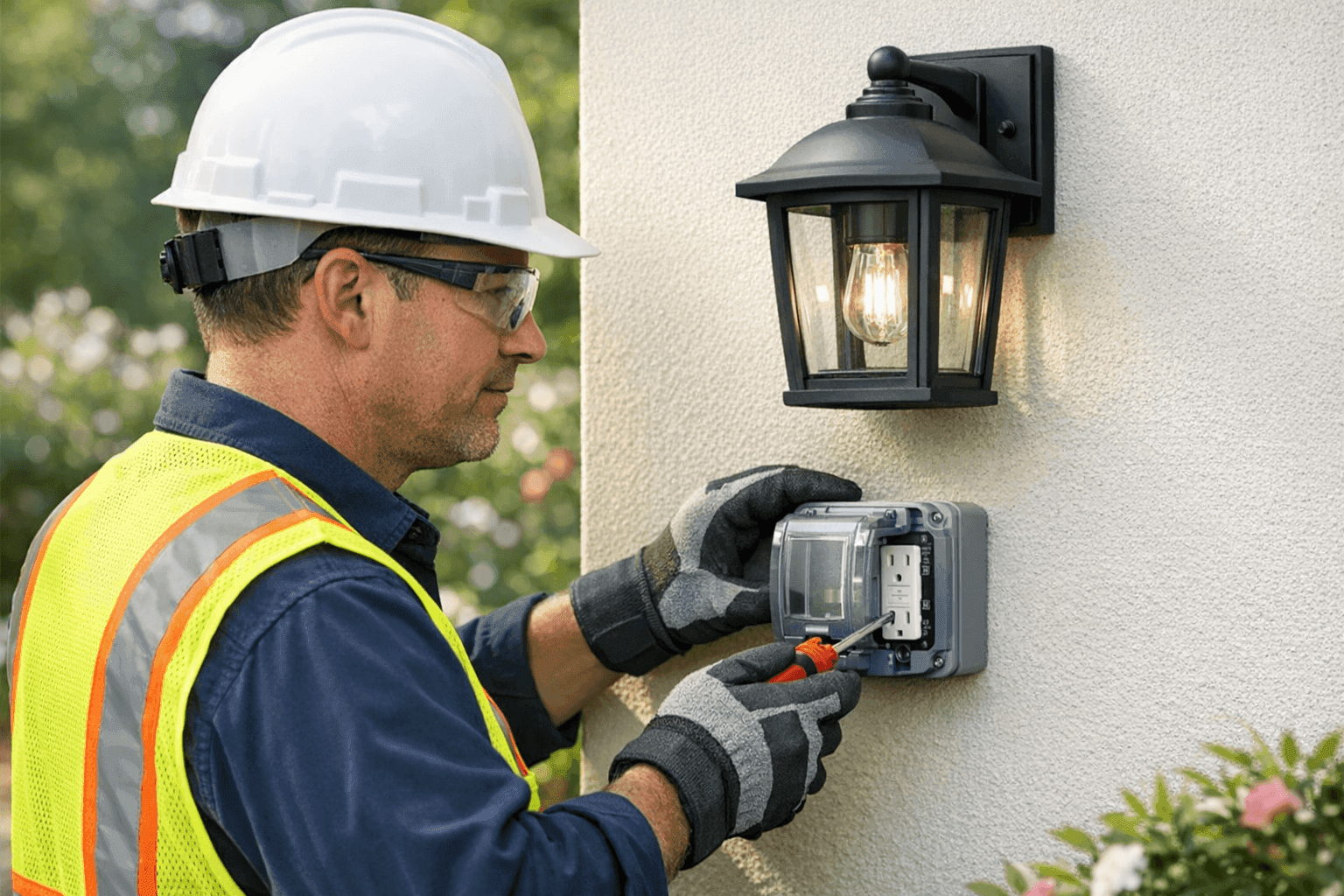
Does your backyard fade into darkness as soon as the sun sets? Or maybe your patio’s missing a safe spot to plug in string lights or a speaker. If you’re thinking about adding outdoor lighting or outlets, you’re not alone. Many homeowners want safer, more inviting outdoor spaces—but worry about the risks of mixing electricity with the elements.
At Lighteq Electric, we meet families every day who want peace of mind, not just a brighter yard. Our team handles everything from Pool & Spa Electrical near you to full outdoor installations. Read on for practical steps to install outdoor electrical features safely—without sacrificing style or sleep.
Outdoor Lighting Options 🌳
Lighting transforms a yard. It sets the mood for late-night conversations and keeps walkways safe after dark. But with so many choices, where do you start?
- Pathway Lights: Guide guests from the driveway to your door. Solar versions are simple, but hardwired types last longer and stay bright.
- Spotlights: Highlight trees, garden beds, or architectural features. Low-voltage models are safer for DIY, but always check your wiring.
- String Lights: Perfect for patios and pergolas. Look for models rated for outdoor, wet locations.
- Wall Lanterns & Sconces: Mount on exterior walls near entries or decks for both security and style.
- Floodlights: Boost safety with motion sensors in dark corners.
The best lighting plan combines several types. Think about where you need light, then choose fixtures certified for outdoor use (UL Listed for Wet or Damp Locations). For inspiration, check out the Lighting solutions we provide to local homeowners.
Weatherproof Outlet Types
Outlets outside face rain, snow, and dust. Not all outlets are created equal. Here’s what matters:
- GFCI Outlets: These shut off power automatically if water or a ground fault is detected. The National Electrical Code (NEC) requires GFCI protection for all outdoor receptacles.
- Weatherproof Covers: “In-use” or “bubble” covers protect the outlet, even when something’s plugged in.
- Tamper-Resistant Outlets: Prevent curious fingers (or garden tools) from causing trouble.
Look for outlets rated for exterior use. If you’re unsure, ask a licensed electrician or check manufacturer labels for “weather-resistant” or “WR” markings.
Safe Wiring Practices
Messy wiring is like leaving a hose running in your basement—it’s only a matter of time before there’s damage. For outdoor circuits, safety is non-negotiable.
Tips for secure outdoor wiring:
- Use conduit (PVC or metal) to shield wires from moisture and impact.
- Bury wiring to the proper depth: at least 12 inches for GFCI-protected circuits, or 18 inches for others (per NEC 2023 guidelines).
- Seal all entry points into your home to block water and pests.
- For landscape lighting, opt for low-voltage systems. They’re safer and easier to modify.
Never join wires with tape or “wing it” with random connectors. Every splice should be in a weatherproof junction box, tightened and sealed.
Permitting and Inspections
It’s tempting to skip paperwork—but permits and inspections exist for your safety. Most towns require permits for new outdoor outlets or lighting circuits. Inspections confirm work meets code and is less likely to cause fires or shocks.
Always check with your local building department before starting. If you hire Lighteq Electric, we’ll handle permitting and schedule inspections as part of the process. You’ll get documentation for insurance and future home sales.
Quick Safety Checklist
Before you start, run through this outdoor electrical checklist:
- Power Off: Shut off the circuit at the main panel.
- Test: Use a voltage tester to confirm no power at the work area.
- Dry Conditions: Never work in wet weather or with damp hands.
- GFCI: Always use GFCI outlets and test them monthly.
- Proper Fixtures: Only install lights and boxes rated for exterior use.
DIY or Call a Pro?
Some projects are weekend-friendly. Installing solar lights? Go for it. Swapping out a bulb in an existing fixture? That’s safe for most folks.
But if you need to:
- Add a new circuit,
- Upgrade your panel,
- Deal with high-voltage connections,
- Or work near water (pools, spas, fountains),
call an electrician. Outdoor wiring is no place for shortcuts. One loose connection can cause big problems.
What Pros Do on Arrival
When the Lighteq Electric team arrives, we:
- Inspect your yard and listen to your goals.
- Check your existing electrical panel for capacity.
- Plan safe routes for wiring and placement of outlets and lights.
- Install weatherproof boxes, GFCIs, and certified fixtures.
- Test everything, label circuits, and clean up when finished.
We also double-check everything against the latest NEC standards and local codes.
Common Mistakes to Avoid
Even handy homeowners make these errors:
- Using indoor-only fixtures or boxes outside.
- Skipping GFCI protection.
- Not sealing cable entries—inviting water to short out connections.
- Overloading circuits with too many lights or holiday decorations.
- Burying wires shallow, where they’re easy to damage.
If you’re not sure about your setup, schedule a Installations with a trusted electrician.
GFCIs: Your Outdoor Safety Net
Ground Fault Circuit Interrupters (GFCIs) act like lifeguards for your circuits. If they sense current leaking—maybe through water or a damaged cord—they shut off power instantly. The NEC requires GFCIs for all outdoor and damp-location outlets.
Tip: Test your GFCI outlets every month. Just press “Test” and “Reset.” If buttons don’t work, time for a replacement.
Landscape Lighting That Lasts
Outdoor lighting faces sun, wind, and rain year-round. To keep your system shining:
- Choose LED fixtures for efficiency and long life.
- Use corrosion-resistant materials (like stainless steel or powder-coated aluminum).
- Avoid “daisy-chaining” too many lights on one transformer.
- Bury wires deep and away from garden tools or lawn mowers.
Ask your electrician about programmable timers or smart controls for extra convenience.
When It’s an Emergency
If you notice:
- Flickering outdoor lights,
- Outlets that spark or feel hot,
- A burning smell near fixtures,
- Or a breaker that trips repeatedly,
shut off power and call for emergency service. Outdoor electrical faults can quickly become fire or shock hazards.
Prevention & Maintenance Tips
A little TLC keeps your outdoor electrical system humming:
- Inspect outlets and covers seasonally for cracks or wear.
- Keep landscaping trimmed away from fixtures and wires.
- Test GFCIs and replace any that fail.
- Watch for signs of water intrusion after storms.
Consider an annual Outlets & Switches for peace of mind.
Costs & Timeline
Typical outdoor outlet or lighting installation takes a few hours to a day, depending on complexity. Costs vary with the number of fixtures, wiring length, and need for trenching or panel upgrades. Investing up front in weatherproof equipment and professional wiring saves money—and headaches—down the line.
FAQ: What Homeowners Ask Most
Q: Do I really need a permit?
A: Yes, for most new circuits or outlets. It’s about safety, not red tape.
Q: How far apart should outdoor outlets be?
A: The NEC recommends placing outlets at least every 6–12 feet along exterior walls and decks.
Q: Can I install lights myself?
A: Swapping bulbs or fixtures is often safe. Wiring new circuits or outlets should be left to a certified electrician.
Q: What’s the difference between “damp” and “wet” ratings?
A: “Wet” fixtures can handle direct rain. “Damp” are for covered porches or patios that don’t get soaked.
Timeline & Disruption
Most jobs can be completed in a single visit. Expect some digging for new wiring. We always minimize disruption and clean up thoroughly. If weather gets rough, work may pause for safety.
Materials & Equipment
We use only products tested and approved for outdoor use. That means:
- Heavy-duty, weatherproof boxes and covers
- UV-resistant wiring
- GFCI and tamper-resistant outlets
- Stainless or powder-coated fixtures
Every item meets or exceeds current code, as outlined by the National Fire Protection Association (NFPA 70).
Signs of Trouble
Stay alert for:
- Water pooling near outlets or fixtures
- Cracked or missing outlet covers
- Unexplained power loss
- Lights that flicker or fail
If you see any of these, flip the breaker and call a professional.
Ready to make your yard safer and brighter? Whether you need landscape lighting, new outdoor outlets, or a full electrical upgrade, the team at Lighteq Electric is here to help.
Call Lighteq Electric now — or reach us anytime at 855-552-3493 .