How to Safely Install and Upgrade Light Fixtures
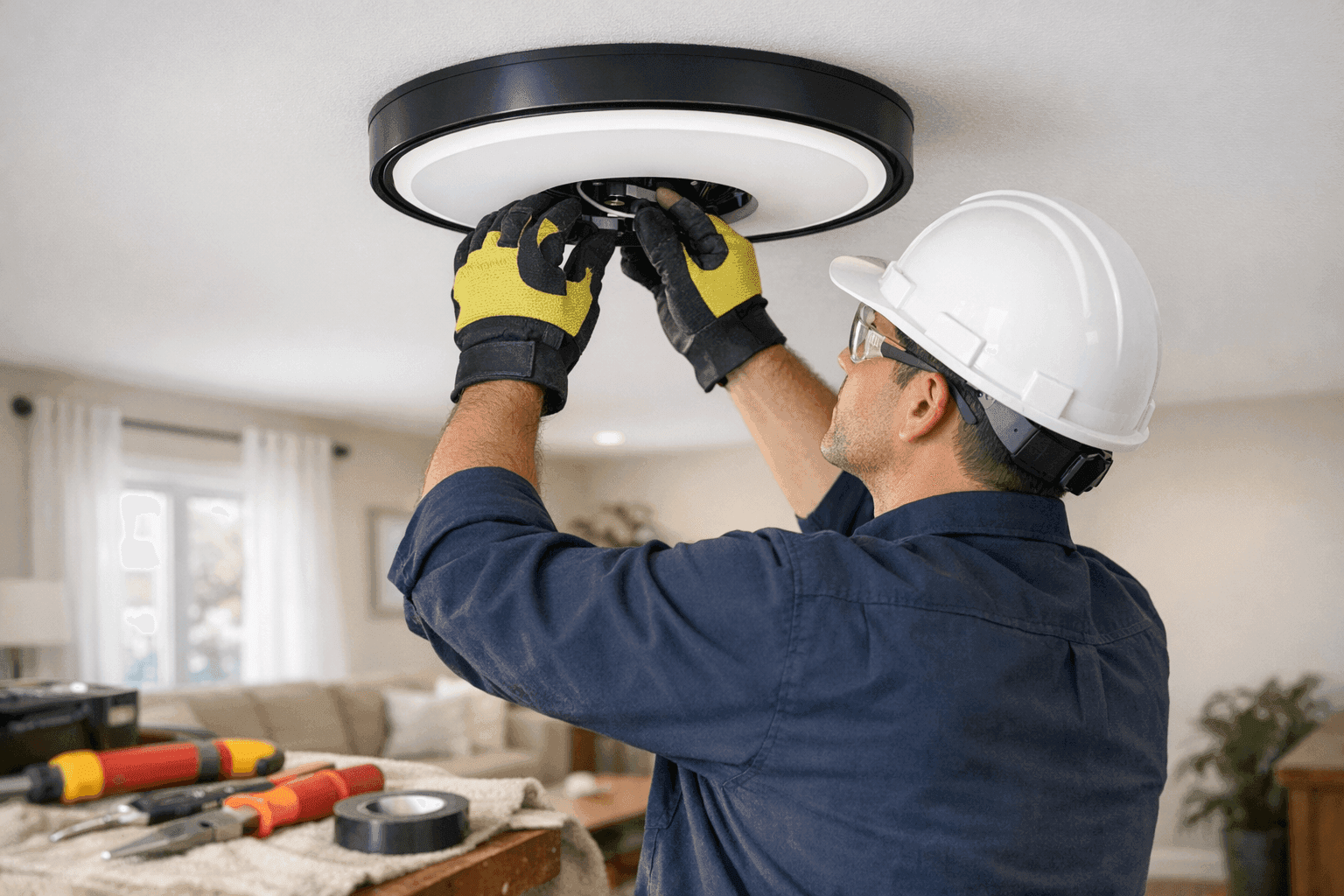
Stepping into a brighter home starts with safe, modern lighting. Upgrading your light fixtures isn't just about style—it’s about safety, efficiency, and peace of mind. But there’s more to swapping a fixture than just twisting a few wires together. Done incorrectly, it’s like building a house of cards in a windstorm.
At Lighteq Electric, we see homeowners run into the same wiring pitfalls time and again. Our certified electricians know the ins and outs of electrical codes, circuit loads, and every twist in the wire. Ready to explore how to upgrade your light fixtures safely and when to call a pro? Let’s shed some light on the process.
Types of Light Fixtures: Choosing the Right Fit
Lighting can transform a room from dull to dazzling. Before you swap out anything, know your fixture:
- Ceiling-mounted lights: The classic. Great for general overhead brightness.
- Pendant lights: Hang down, perfect for kitchens or dining rooms.
- Wall sconces: Side-mounted and great for hallways or accent lighting.
- Recessed lights: Built into the ceiling, sleek and modern.
- Chandeliers: Statement pieces—ideal for entryways or dining rooms.
- Track lighting: Adjustable, perfect for highlighting art or workspace.
Different fixtures have different installation requirements, including weight, mounting style, and wiring needs. Think of it like choosing shoes for a marathon—you need the right fit for the job.
Safety Precautions: First Steps Before You Touch a Wire ⚠️
Never rush into electrical work. Electricity is invisible but powerful. Here’s a quick checklist:
- Turn off power at the circuit breaker—never trust a wall switch alone.
- Test for voltage using a non-contact voltage tester.
- Read the instructions for your fixture and electrical box.
- Use a sturdy ladder on a flat surface.
- Wear insulated gloves if possible.
The National Electrical Code (NEC) offers clear guidelines on safe wiring practices. Always follow local code requirements. For reference, check resources like the National Fire Protection Association (NFPA).
Common Hazards: What Can Go Wrong?
Electricity doesn’t offer second chances. Here are a few hazards homeowners often face:
- Incorrect wiring: Mixing up the hot and neutral wires can cause shocks, short circuits, or even fires.
- Overloading circuits: Adding high-wattage fixtures to an already-full circuit risks overheating.
- Loose connections: Wires not tightly secured can arc, sparking fires behind your walls.
- Improper support: Heavy fixtures need boxes rated for their weight—or they could fall.
If you ever smell burning, see flickering, or feel warmth at a switch, stop immediately. These are signs of electrical trouble.
Safety Codes: Building Blocks of a Safe Home
Electrical codes aren’t just red tape—they’re designed for your protection. The NEC updates every three years to reflect new technologies and best practices. Key rules include:
- All wiring connections must be made inside an approved electrical box.
- Wires must be joined with wire nuts and covered—no exposed copper.
- Bathrooms and kitchens need GFCI-protected circuits.
- Fixtures must be properly grounded.
Ignoring code is like skipping the brakes on a bike. It might work for a while, but the risks are too high.
Installation Steps: Doing It the Right Way
Ready to tackle a basic fixture? Here’s a step-by-step guide:
- Switch off the breaker and confirm the circuit is dead.
- Remove the old fixture by unscrewing the canopy and disconnecting wires.
- Check the electrical box—is it securely attached and rated for your fixture’s weight?
- Match wires: Black (hot), white (neutral), green or bare (ground). Twist securely with wire nuts.
- Mount the new fixture: Attach the bracket, tuck wires inside, and secure the canopy.
- Install bulbs and covers according to the manufacturer’s instructions.
- Restore power at the breaker and test the switch.
Not sure about a step? Pause and seek help. Safety is worth more than speed.
Upgrading to LEDs: Brighter, Safer, Smarter
Swapping old bulbs for LEDs is like trading in a gas guzzler for a hybrid. LEDs use less energy, last years longer, and run cooler than traditional bulbs. Here’s why upgrades matter:
- Lower heat output reduces fire risk.
- Less frequent replacements save time and money.
- Dimmable options offer better mood and energy control.
But remember, not every fixture is LED-compatible. Double-check labels before you buy.
DIY or Hire a Pro? Knowing Your Limits
A handy homeowner can handle many upgrades. But even the best toolkit can’t replace proper training. Call a licensed electrician if:
- Your home has old wiring (knob-and-tube, aluminum, or brittle insulation).
- The fixture is heavy (like a chandelier).
- There’s no ground wire present.
- You’re adding new switches or circuits.
- You spot burn marks, buzzing, or flickering.
Electrical work is like surgery for your house—sometimes, you need the right specialist.
What Professionals Do on Arrival
When you call Lighteq Electric, certified electricians arrive with:
- Voltage testers and circuit tracers to identify live wires.
- Code-compliant wire nuts, boxes, and supports.
- Detailed safety inspections—checking for hidden hazards.
- Up-to-date knowledge of the latest codes and safe practices.
Our attention to detail means every connection is safe, secure, and built to last.
Common Mistakes to Avoid
Some errors crop up again and again:
- Using the wrong box: Lightweight boxes can’t hold heavy fixtures.
- Too many wires in one box: Overcrowding causes heat and shorts.
- Ignoring ground wires: Skipping grounding leaves your home at risk.
- Not turning off power: Even pros double-check before touching wires.
Don’t let a simple upgrade turn into an emergency.
Signs of Trouble: When to Pause and Inspect
Catch problems early by watching for:
- Flickering lights that don’t resolve with new bulbs.
- Warm switches or outlets.
- Frequent breaker trips after installing a fixture.
- Odd smells—like burning plastic.
These are clear signs you should stop and call an electrician.
Preventing Future Problems: Maintenance Tips
A little maintenance keeps your lighting shining bright:
- Dust fixtures to prevent overheating.
- Check for loose bulbs or covers.
- Test switches and dimmers every few months.
- Schedule regular electrical safety inspections.
Safe lighting is about what’s behind the walls as much as what you can see.
Timeline and Disruption: What to Expect
Most simple fixture swaps take under an hour. Upgrading multiple fixtures, rewiring, or running new circuits takes longer—sometimes several hours or a full day. Expect brief power shut-offs and a little dust.
For larger jobs, like installing recessed lights, you may need new wiring and patching ceilings. Plan ahead, and remember—quality work is worth the wait.
Materials and Equipment: What You’ll Need
Before you start:
- Voltage tester
- Wire stripper
- Screwdrivers (flathead and Phillips)
- Sturdy ladder
- Wire nuts and electrical tape
- Approved electrical box (if replacing)
- The right light fixture and bulbs
Missing any of these? Hold off until you’re fully equipped.
Costs and Considerations
Fixture costs range dramatically—basic flush-mount lights can be $20, while statement chandeliers run hundreds. Factor in:
- New electrical boxes or wiring
- Professional installation fees
- Potential code upgrades (especially in older homes)
Cutting corners with cheap materials or DIY shortcuts can cost more in the long run.
When It’s an Emergency
If you see sparks, smell burning, or lose power to multiple rooms, turn off your breaker immediately and call for emergency electrician help. Never try to fix live wires yourself. This is when professional help isn’t just smart—it’s crucial.
Seasonal Considerations
Outdoor fixtures, pool & spa electrical, and holiday lights bring their own challenges. Always use weatherproof, code-rated fixtures outdoors, and make sure all wiring is protected from moisture. Pool & Spa Electrical near you should always be handled by a certified electrician.
FAQ: Quick Answers
Can I install a dimmer switch with any fixture?
Check fixture and bulb compatibility first. Not all LEDs or fixtures work with all dimmers.
Is it okay to use wire nuts from an old fixture?
No—always use fresh, code-approved connectors.
Do I need a permit?
For most lighting replacements, no, but new circuits or significant upgrades may require a permit. Check your local codes.
How do I know if my wiring is too old?
If your home is over 40 years old or you see fabric-wrapped wires, call for an inspection.
Local Support: Your Neighborhood Electrician
Upgrading your home’s lighting isn’t just about fresh bulbs—it’s about keeping your family safe, efficient, and comfortable. For those in the area looking for reliable Wiring & Circuits or complete lighting solutions, our team is always here to help.
Ready for Your Next Upgrade?
From single fixture swaps to full lighting design, Lighteq Electric is your go-to electrician for safe, certified installation. Call us for everything from simple installations to rewiring and major upgrades. Your home deserves the best.
Call Lighteq Electric now — or reach us anytime at 855-552-3493 .