How to Safely Replace Light Switches and Dimmers
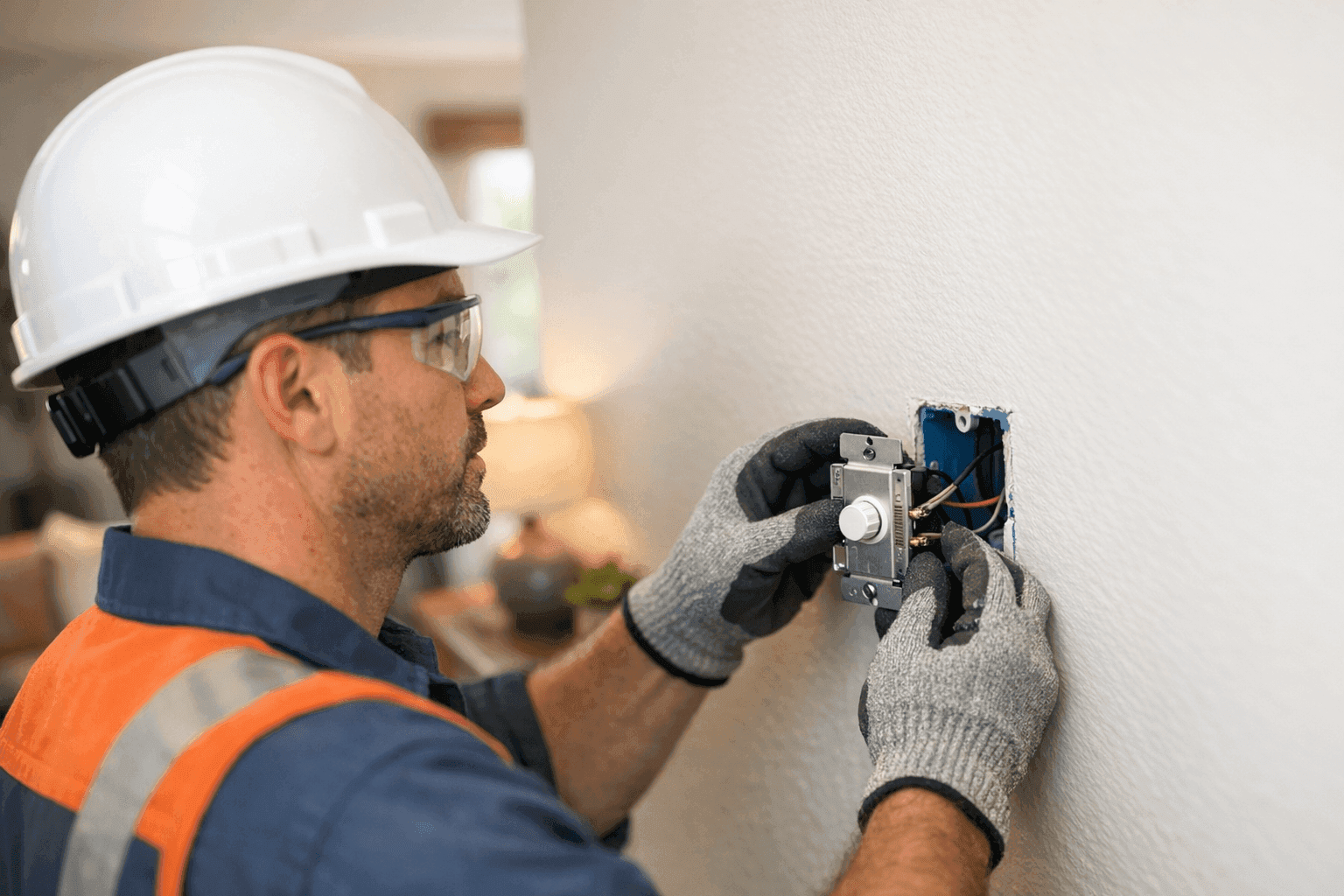
Are your light switches showing their age? Maybe that old toggle feels loose or makes a faint crackle. Or perhaps you’re dreaming of a living room that dims for movie night—all at the touch of a button.
Before you grab a screwdriver, remember: electricity is as unforgiving as it is essential. Even a quick swap can carry risks if not done right. At Lighteq Electric, we know how a simple upgrade can brighten your space and your peace of mind—if you follow the right steps.
Choosing the Right Switch
The world of switches is bigger than you think. Classic toggles, modern rockers, dimmers that slide or tap—the choices can be dazzling. But it’s not just about looks.
- Match the load: If your fixture is LED, CFL, incandescent, or a fan, the switch needs to handle it.
- Single-pole vs. three-way: Know if your light is controlled from one spot or more.
- Smart switches: Want app control or automation? Choose a model compatible with your home Wi-Fi and, ideally, a neutral wire.
Upgrading isn’t just a style move. The right switch can save energy, extend bulb life, and make your home safer—especially around water (think Pool & Spa Electrical near you) or in kitchens and baths.
Safety Preparation ⚡
Before you do anything, hit pause. Safety comes first.
- Turn off power at the breaker. Don’t trust the wall switch alone—it’s like locking your front door but leaving the window wide open.
- Test for power: Use a non-contact voltage tester. No hum, no light, no risk.
- Keep hands dry: Water and electricity are never friends.
- Read the box: Modern switches include instructions. Review them before you dive in.
If you’re unsure at any point, calling a licensed electrician is not just smart—it’s the law in many areas.
Step-by-Step Replacement
Swapping a switch is a dance of patience and caution. Here’s a simple path:
- Remove the faceplate: Usually just one or two screws.
- Unscrew the old switch: Gently pull it out without touching wires.
- Take a photo: Capture how wires connect. It’s your safety net if you get confused.
- Disconnect the wires: Loosen terminal screws or remove push-in connectors.
- Connect the new switch: Match wires to the correct terminals—usually marked “common,” “line,” or “load.”
- Tighten everything: Loose wires spark trouble.
- Mount and replace the plate: No pinched wires.
- Flip the breaker and test.
Don’t shortcut. A missed ground wire or swapped connections can lead to flickering lights, tripped breakers, or worse—a shock or fire.
Upgrading to Dimmers
Dimmer switches are like sunglasses for your lights. They set the mood, save energy, and look sharp.
- Pick a compatible dimmer: Not all dimmers work with every bulb. Check the label for LED compatibility.
- Smart dimmers: Want voice or remote control? These need careful setup and sometimes a neutral wire.
- Install with care: Dimmer wiring can differ from standard switches. Follow instructions to the letter—or call in a pro.
- Benefits: Dimming lights can extend bulb life and reduce energy costs, according to the U.S. Department of Energy.
Troubleshooting: When Things Don’t Go as Planned
Sometimes, things get quirky:
- Light won’t turn on: Double-check wiring and that the breaker is on.
- Flickering or buzzing: Could be incompatible bulbs or a loose connection.
- Breaker trips: Stop. There’s a short or miswiring. Time to call an electrician.
Safety tip: If you smell burning or see sparks, switch off power at the panel right away.
Understanding the Risks of Incorrect Wiring
Incorrect wiring is like a recipe gone wrong—it can ruin more than your dinner. At best, your lights won’t work. At worst, you risk electrical shock, fire, or damage to your entire system.
According to the National Fire Protection Association (NFPA), faulty wiring is a leading cause of house fires. That’s why code compliance and proper grounding are non-negotiable. Always double-check your work—or let a licensed electrician handle it.
The Benefits of Smart Dimmers
Smart dimmers do more than just fade the lights. They can:
- Work with your phone or voice assistant
- Set schedules for energy savings
- Enhance home security by mimicking presence
And with models that integrate with home automation, you can control your lighting from anywhere—perfect for late nights or vacations.
When to Call a Professional
DIY can be satisfying, but some jobs cross the line. If your switches are part of a multi-way circuit, or if you see aluminum wiring (dull silver, not copper), stop and call a licensed electrician. Aluminum needs special connectors and care.
If you’re upgrading to smart systems, code compliance and safe integration are a must. A licensed pro ensures everything works as intended—and keeps your insurance valid.
Materials and Tools Checklist
Before you start, gather:
- Flathead and Phillips screwdrivers
- Non-contact voltage tester
- Wire stripper/cutter
- Electrical tape
- The right switch or dimmer
- Wire nuts
Don’t use whatever’s in the junk drawer. Quality tools make for safer, cleaner work.
Code Compliance and Licensing
Electrical codes exist for a reason: your safety. The National Electrical Code (NEC) sets standards for wiring, grounding, and switch installation. Local regulations may add more rules, especially for bathrooms, kitchens, and outdoor areas.
At Lighteq Electric, all installations follow the latest code and are handled by licensed, background-checked electricians. This isn’t just pride—it’s peace of mind.
Common Mistakes Homeowners Make
- Not shutting off the correct breaker
- Mixing up wires (line/load/neutral)
- Using incompatible dimmers or bulbs
- Failing to ground the switch
A little patience saves a lot of hassle.
Preventive Maintenance and Routine Checks
Once your new switch is in, don’t ignore it. Check occasionally for:
- Warmth or buzzing—signs of a bad connection
- Loose faceplates or screws
- Flickering lights
Early detection prevents bigger problems—think of it as changing the oil in your car.
Cost and Time Factors
Replacing a standard switch takes about 20–30 minutes if all goes smoothly. Dimmers or smart switches may take longer, especially if you need to update wiring or install a new box.
Typical costs vary by model and features. Smart dimmers can cost more upfront, but the savings (and convenience) pay off over time.
Timeline and Disruption
Good news: most switch replacements are quick and cause minimal disruption. You may need to kill power to one room for a short time. For bigger upgrades—like adding new circuits or integrating with home automation—expect a few hours.
Frequently Asked Questions
Q: Can I change a switch myself?
A: Yes, if you follow safety steps and your home’s wiring is standard. When in doubt, call a licensed electrician.
Q: Do I need a permit?
A: In many areas, yes—especially for new circuits or smart home upgrades. Check your local regulations.
Q: What about older homes?
A: Old wiring may need upgrades for safety and code compliance. Don’t take chances; get a pro to inspect.
For more information on electrical upgrades, see our Outlets & Switches or Lighting service pages. If you’re in the area, our electrician company in Canton can help with any install or repair.
Final Thoughts: Safety, Style, and Peace of Mind
Upgrading your light switches and dimmers isn’t just about looks—it’s about safety, efficiency, and comfort. Take it slow, follow every step, and never hesitate to call a professional when things get complex.
Ready to make your home brighter, safer, and smarter?
Call Lighteq Electric now — or reach us anytime at 855-552-3493 .