How to Safely Replace or Upgrade Home Circuit Breakers
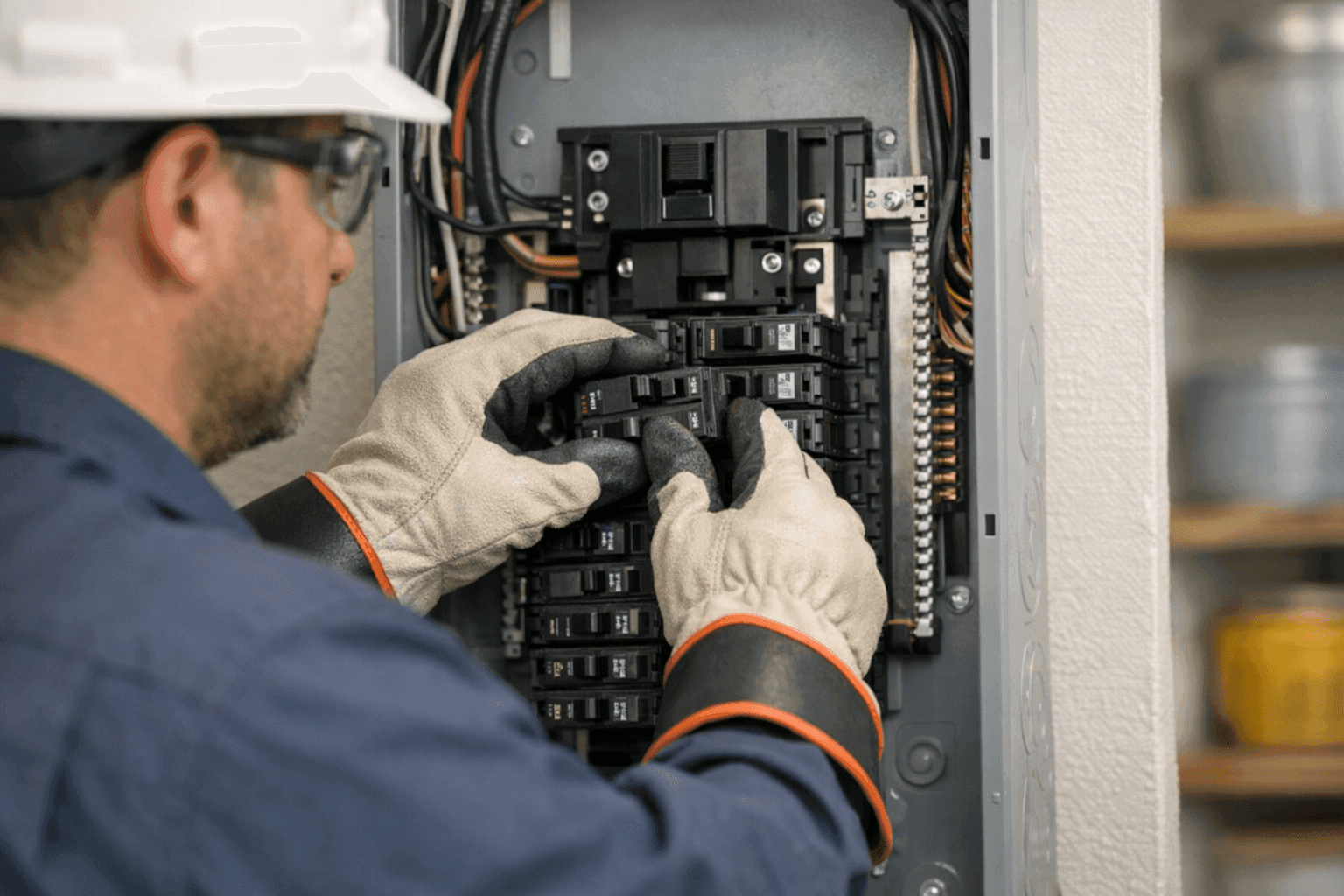
Is your home’s electrical panel starting to feel like a ticking clock? Flickering lights, tripped breakers, or buzzing sounds are more than just annoying—they’re warning signs. If you’ve ever wondered if your home’s circuit breakers need replacing or upgrading, you’re not alone. At Lighteq Electric, we help homeowners like you keep families and homes safe, comfortable, and powered up.
Let’s break down how, when, and why circuit breakers need attention, and what you need to know to keep your home’s heart beating strong.
When Should You Replace Home Circuit Breakers? ⚡
Replacing a breaker isn’t just about fixing what’s broken. Sometimes, it’s about preventing bigger problems. Here’s when you should consider a swap:
- Frequent trips: If the same breaker keeps shutting off, it may be overloaded or faulty.
- Visible damage: Burn marks, melted plastic, or corrosion mean immediate action.
- Old age: Breakers, like old shoes, wear out. Most need replacing every 25–30 years.
- Upgrades and renovations: Adding a hot tub, EV charger, or new appliances? Your system may need more capacity.
- Strange sounds: Buzzing, hissing, or popping? That’s not normal—turn off power and call for help.
The National Fire Protection Association (NFPA) and Electrical Safety Foundation International (ESFI) recommend regular checks and timely replacements to prevent fire and shock hazards.
Breaker Types and Capacity: What’s Lurking Behind the Panel?
Every home is different. So is every breaker. Here’s what you might find:
- Standard single-pole breakers: Handle most circuits—think lights and outlets.
- Double-pole breakers: For big loads like dryers, ovens, or air conditioners.
- GFCI breakers: Protect wet areas—pool, spa, kitchen, bathroom—from shock.
- AFCI breakers: Guard against arc faults (tiny sparks that can cause fires).
- High-amperage breakers: For heavy-duty upgrades, like home EV chargers or backup generators.
When upgrading, always match the breaker to the wire size and load needs. If you’re unsure, consult the National Electrical Code (NEC) or a licensed electrician.
Quick Safety Checklist Before You Begin
Before you even open the panel, take a deep breath and slow down. Electricity is invisible, but its dangers are real.
- Turn off the main breaker. Cut the power to the entire panel before touching anything.
- Wear rubber-soled shoes. It’s a simple barrier against shock.
- Use insulated tools. No shortcuts.
- Keep your workspace dry. No water, no wet hands.
- Know your limits. If something feels off, stop.
Safety isn’t just a step—it’s every step.
The Hazards of DIY Breaker Replacement
It’s tempting to save a few bucks and take matters into your own hands. But circuit breakers are like the bones of your electrical system—one wrong move, and the whole structure is at risk.
Common DIY hazards include:
- Incorrect breaker size: Too large, and wires can overheat; too small, constant nuisance tripping.
- Loose connections: Can lead to arcing and fire.
- Unlabeled wires: Easy to mix up, hard to fix later.
- Voiding insurance: Many policies require licensed work.
Remember, electrical mistakes don’t just shock you—they can haunt your home for years.
The Steps Pros Take: How to Replace a Breaker Safely
Licensed electricians follow a proven process. Here’s an inside look:
- Turn off the main power. No exceptions.
- Test for voltage. Use a non-contact tester to double-check—never assume.
- Remove the panel cover. Carefully, keeping track of screws.
- Identify the faulty breaker. Double-check before removing.
- Release and remove the breaker. Pull straight out—don’t force it.
- Disconnect wires. Mark them clearly for easy reinstallation.
- Install the new breaker. Ensure a snug, solid fit.
- Reconnect wires. Tight, but not over-tightened.
- Replace panel cover and restore power. Test the new breaker with its circuit.
Every step is about caution and precision. A pro will also look for warning signs—scorched wires, loose connections, or outdated components.
Upgrade Options: Should You Go Bigger or Smarter? 💡
Thinking about more than a direct replacement? Here’s what’s possible:
- Higher capacity panel: Handles more circuits and modern appliances.
- Smart breakers: Allow remote monitoring and energy management.
- Whole-home surge protection: Shields electronics from lightning and surges.
- Arc Fault and Ground Fault protection: Adds layers of safety.
- Integration with home automation: Seamless control for lighting, security, and more.
Talk with an electrician about future-proofing your home. Sometimes, upgrading your panel now saves headaches down the road.
When Should You Call a Licensed Electrician?
Some jobs are best left to the pros. Call a licensed electrician if:
- You smell burning or see scorched marks.
- Breakers trip immediately after resetting.
- Your panel is warm or hot to the touch.
- You’re adding major appliances or systems (pools, spas, EV chargers).
- The panel is older than 30 years or has recalled components (like Federal Pacific or Zinsco).
A licensed pro from Lighteq Electric will inspect, diagnose, and perform certified upgrades—meeting all city and national codes.
What Happens When the Pro Arrives?
Expect a systematic approach:
- Assessment: Visual inspection, tests for voltage and load.
- Diagnosis: Pinpointing faulty breakers, bad wiring, or capacity shortfalls.
- Recommendations: Honest advice on repair, replacement, or upgrade.
- Work: Fast, neat, and up to code.
- Documentation: Permit and inspection paperwork when needed.
Good electricians don’t cut corners—they make sure your panel is a fortress.
Common Mistakes to Avoid
- Replacing a breaker without cutting main power.
- Installing the wrong size or type.
- Ignoring persistent tripping—symptoms, not just annoyances.
- Overloading a panel with too many circuits.
- Skipping annual safety inspections.
A little caution up front prevents big trouble later.
Emergency Situations: When It’s Urgent
Some panel issues can’t wait:
- Smell of burning plastic or visible smoke.
- Crackling or popping noises from the panel.
- Complete loss of power to critical systems (medical devices, refrigeration).
If you face any of these, don’t risk it. Call for 24 hour service immediately.
Costs, Time, and What to Expect
- Single breaker replacement: Usually takes 30–60 minutes.
- Panel upgrades: Most jobs last half a day to a day, depending on complexity.
- Costs: Vary by parts and labor, but skimping on electrical work is never wise.
Remember, electrical work is an investment in your home’s safety and value.
Prevention and Maintenance Tips 🛠️
- Schedule annual inspections. Catch problems before they escalate.
- Label circuits clearly. Makes future repairs easier and quicker.
- Listen to your system. Unusual sounds or smells are your home’s way of asking for help.
- Don’t overload circuits. Space out appliances and upgrades.
A little attention goes a long way. Regular maintenance can prevent emergencies and extend the life of your panel.
Seasonal Considerations: When to Check Breakers
- Spring: After winter storms, check for water damage or corrosion.
- Summer: Pools, spas, and AC add load—ensure breakers are ready.
- Fall: Before heaters run full-time, inspect for wear.
- Winter: Heavy holiday lighting can stress circuits.
Seasonal checkups are like a tune-up for your home’s heart.
FAQ: Breaker Replacement & Upgrades
How do I know if my breaker panel needs an upgrade?
If you’re adding new appliances, experiencing frequent trips, or the panel is outdated, you may need a bigger or smarter system.
Can I upgrade to smart breakers myself?
Smart breakers require professional installation to meet code and ensure safety.
Will my insurance cover panel upgrades?
Many insurers prefer or require work by a licensed electrician; always check your policy.
How often should breakers be inspected?
Annually, or before/after major renovations.
Materials and Equipment Needed
- Replacement breaker(s) (exact match to brand and model)
- Insulated screwdriver and pliers
- Voltage tester
- Safety gloves and glasses
- Panel labeling materials
Don’t forget: The right tool makes all the difference.
Why Hire a Licensed Electrician for Breaker Work?
It’s not just about flipping switches. Panels and breakers are the silent guardians of your home. Licensed electricians bring experience, code knowledge, and peace of mind. At Lighteq Electric, we’re trained to work on everything from simple repairs to advanced Electrical System Design, ensuring your system is safe and ready for whatever the future brings.
Looking for Panels & Breakers work or Pool & Spa Electrical near you? We’re your local solution.
Closing Thoughts
Replacing or upgrading home circuit breakers isn’t just another DIY project. It’s about protecting your family, your investment, and your peace of mind. If you ever feel uncertain or notice warning signs, don’t wait.
Call Lighteq Electric now — or reach us anytime at 855-552-3493 .