How to Safely Upgrade Your Home’s Electrical Panel
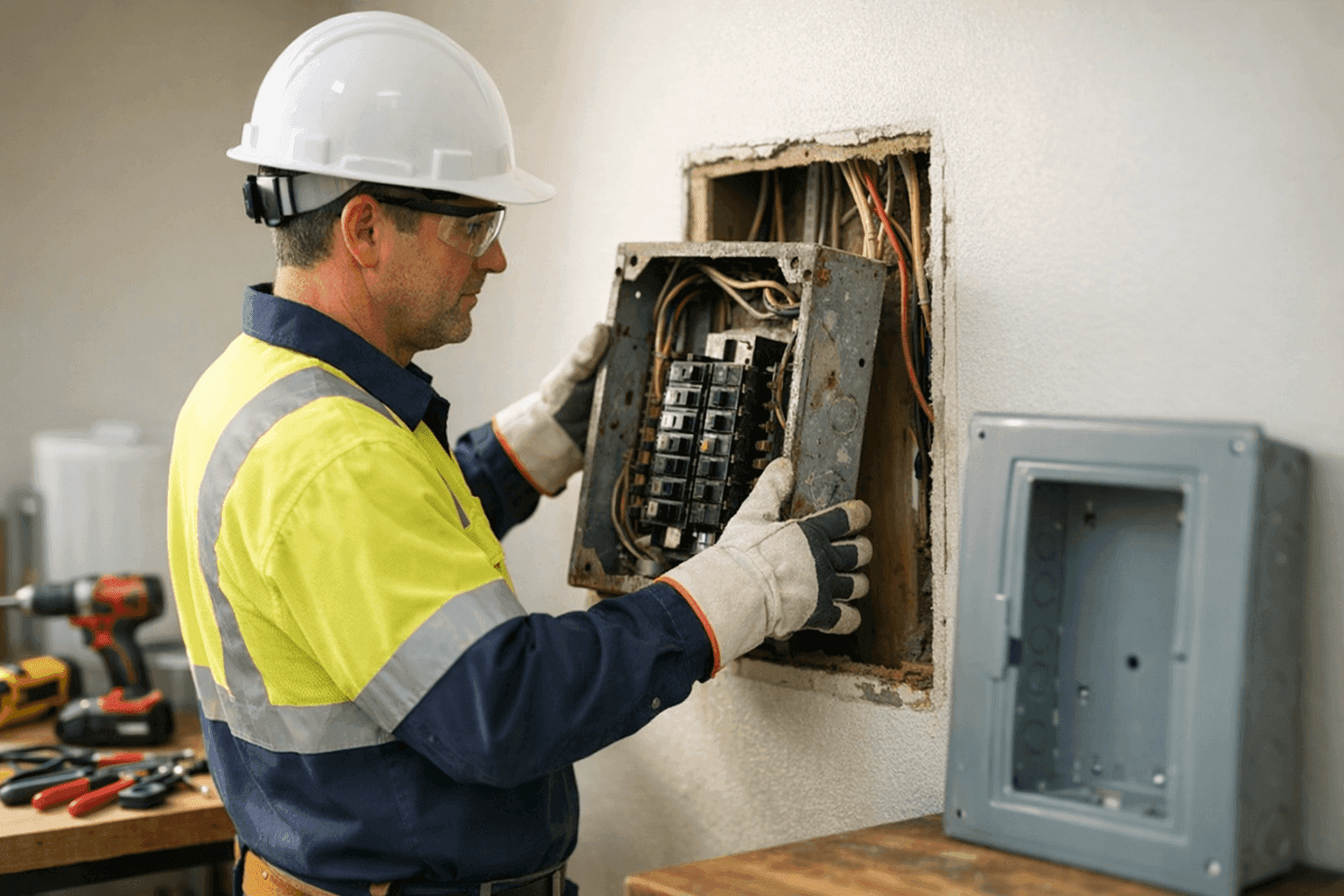
Upgrading your home's electrical panel is a bit like replacing your car engine: when it’s running hot, sluggish, or showing its age, you know it’s time. Your home’s safety and comfort depend on it. With modern gadgets, high-powered appliances, and electric vehicles becoming common, your old panel may not be up for the job.
At Lighteq Electric, we understand the risks—and the peace of mind that comes with a professional, code-compliant upgrade. Here’s what every homeowner should know before flipping the switch on a new electrical panel.
Signs You Need a Panel Upgrade ⚡
Your electrical panel is the silent conductor behind every device in your home. But how do you know it’s time to say goodbye?
- Frequent breaker trips: If your breakers trip more often than you’d like, your panel may be overloaded.
- Flickering or dimming lights: Especially when appliances kick on? That’s a classic warning.
- Old fuse boxes: If your panel still uses fuses, it's past its prime.
- Warm or buzzing panel: Heat and noise are red flags. Panels should run quiet and cool.
- Limited circuits: Out of space to add new breakers for a pool, spa, EV charger, or home office? Time to upgrade.
- New high-powered appliances: Big additions like hot tubs or backup generators demand more capacity.
If you spot any of these, don’t wait. Electrical issues never fix themselves—they only get riskier over time.
The Safety Risks of Old Panels
Old, undersized, or damaged panels are like ticking time bombs. They can cause:
- Electrical fires: According to the National Fire Protection Association (NFPA), faulty panels are a leading cause of home electrical fires.
- Shock hazards: Outdated panels or wiring may not meet modern safety standards.
- Insurance headaches: Some insurance companies won’t cover homes with obsolete panels (like Federal Pacific or Zinsco).
Wiring and panels age, just like anything else. Corrosion, loose connections, and overloaded circuits increase the risk of dangerous arcing or total failure.
A Quick Safety Checklist Before You Start
- Check for scorch marks, melted insulation, or a burning smell.
- Never touch a panel with wet hands or while standing on a damp floor.
- Turn off all appliances before inspecting your panel.
- If you see visible damage or smell burning, step away and call an electrician immediately.
Electricity is unforgiving. When in doubt, let the pros handle it.
DIY vs. Call a Pro
Home improvement shows make electrical work look easy. But in reality, panel upgrades are not a weekend DIY project.
Why? Upgrading a panel means working directly with live high-voltage lines, handling complex wiring, and following strict electrical codes (like the National Electrical Code, or NEC). Mistakes can mean fire, injury, or even death.
A licensed electrician follows safe procedures, files the right permits, and ensures your upgrade passes inspection. For peace of mind—and your family’s safety—always call a professional.
What an Electrician Does When They Arrive
Expect a thorough process. Here’s what happens when Lighteq Electric visits your home:
- Assessment: We inspect your current panel, wiring, and overall electrical system.
- Load calculation: How much power does your home need? We’ll factor in appliances, EV chargers, pools, and future plans.
- Code check: We make sure your upgrade will meet NEC and local requirements.
- Estimate: You’ll get a clear, detailed quote—no surprises.
- Scheduling: We coordinate the upgrade to minimize disruption.
Every home is unique. Our approach is tailored to your needs, not a cookie-cutter fix.
The Upgrade Process, Step by Step
- Power shutdown: We coordinate with your utility company to safely turn off power.
- Panel removal: Old panel and breakers come out. Outdated wiring is replaced if needed.
- New panel install: We install a new, larger-capacity panel—often 200 amps or more, depending on your needs.
- Breaker and circuit installation: New breakers, labeled for each area and appliance.
- Grounding and bonding: Essential for safety and code compliance.
- System test: We check every connection, breaker, and circuit for safe operation.
- Inspection: Local officials review the work before power is restored.
The entire process typically takes one day. Some complex jobs may take longer, especially if rewiring is needed throughout the home.
Choosing the Right Panel for Your Home
Not all panels are created equal. Factors to consider:
- Amperage: 100 amps is minimum for small homes; 200 amps is the new standard for modern homes with pools, spas, or EVs.
- Brand and quality: Choose reputable brands that meet UL and NEC standards.
- Room for growth: Extra breaker spaces let you add circuits for future upgrades.
- Compatibility: Make sure your new panel works with home automation, surge protection, and backup generators.
A professional electrician will help you pick the right panel for today—and tomorrow.
Code Compliance: Why It Matters
Electrical codes aren’t just red tape. They’re there to protect you, your family, and your home. The National Electrical Code (NEC) is updated every three years to include safer, smarter practices.
- Permit required: Upgrades must be inspected and approved by local authorities.
- Ground fault and arc fault protection: Required in many areas, especially for bedrooms and kitchens.
- Proper labeling: Circuits must be clearly marked for easy troubleshooting.
Cutting corners on code compliance can void insurance or even prevent a home sale. When in doubt, check with your city’s building department—or ask your electrician.
Capacity for Modern Devices
Today’s homes are power-hungry. Between smart devices, high-speed internet, and modern kitchen gadgets, yesterday’s panels just can’t keep up.
- EV chargers can draw 30–50 amps each
- Pool & Spa Electrical near you may require dedicated high-amperage circuits
- Backup generators need transfer switches and extra capacity
- Home automation and security systems often need clean, stable power
Upgrading your panel means you won’t have to worry about tripped circuits, flickering lights, or “brownouts” when everything’s running at once.
Prevention & Maintenance Tips
- Annual inspections: Have your panel checked by a licensed electrician every year.
- Keep it clear: Don’t store anything in front of your panel.
- Listen and look: Buzzing, heat, or odors are warning signs.
- Upgrade surge protection: Modern panels can include built-in whole-home surge protectors.
A little attention now can prevent huge headaches later.
Costs & Time Factors
Panel upgrades aren’t cheap—but neither is replacing a home lost to fire. Most panel upgrades, including labor, materials, permits, and inspection, range from $1,500 to $4,000. Variables include panel size, rewiring needs, and your location.
The job typically takes one full day. Complex upgrades, especially those requiring new circuits or rewiring, may take longer. Plan for a day without power, and ask your electrician about backup power options if needed.
When It’s an Emergency
Some signs mean you should call for emergency service immediately:
- Burning smells or visible smoke from your panel
- Scorch marks, melted wires, or charring
- Breakers that won’t reset or stay on
- Total power loss to essential appliances
In these cases, don’t wait. Shut off the main breaker (if safe) and call Lighteq Electric 24/7.
Common Mistakes in Panel Upgrades
- DIY attempts: Even handy homeowners can make dangerous mistakes.
- Undersized panels: Don’t “just get by”—plan for future needs.
- Ignoring permits: Skipping permits or inspections can cause problems selling your home.
- Mixing old and new wiring: All wiring to the panel should be up to current code.
Avoid shortcuts. Get it done right the first time.
Timeline & Disruption
Worried about being without power? Here’s what to expect:
- Most upgrades: 6–8 hours, with full power restored the same day
- Complex jobs: May require temporary power or phased work
- Sensitive electronics: Unplug computers, TVs, and appliances before work begins
Your electrician should keep you informed every step of the way.
FAQ: Electrical Panels and Safety
Q: How often should I upgrade my panel?
A: Most panels last 25–40 years. Upgrade sooner if you add major appliances or see warning signs.
Q: Is a permit really necessary?
A: Yes. It’s required by law and protects your home’s value and safety.
Q: Can I add a subpanel instead?
A: Sometimes, but only if your main panel has enough capacity and is up to code.
Still have questions? Ask your electrician for advice tailored to your home.
Seasonal Considerations
Spring and fall are popular times for upgrades—mild weather makes it easier for electricians to work safely. If you plan to install a pool, spa, or major appliance, schedule your upgrade before peak season.
Materials & Equipment
- Main breaker panel (with extra spaces for future needs)
- Circuit breakers (GFCI/AFCI as required)
- Heavy-gauge copper wiring
- Grounding rods and wire
- Surge protection devices
Quality components mean safer, longer-lasting results.
Ready for a Safer, Smarter Home?
Upgrading your electrical panel is one of the most important investments you can make in your home’s safety and future. Whether you need a simple panel swap or a full rewiring, Lighteq Electric is ready to help. Our licensed team delivers safe, code-compliant installations every time.
Looking for more details on panel upgrades, Panels & Breakers services, or advanced electrical system design? We’re here to answer your questions and get the job done right.
Call Lighteq Electric now — or reach us anytime at 855-552-3493 .