How to Safely Use Extension Cords and Power Strips at Home
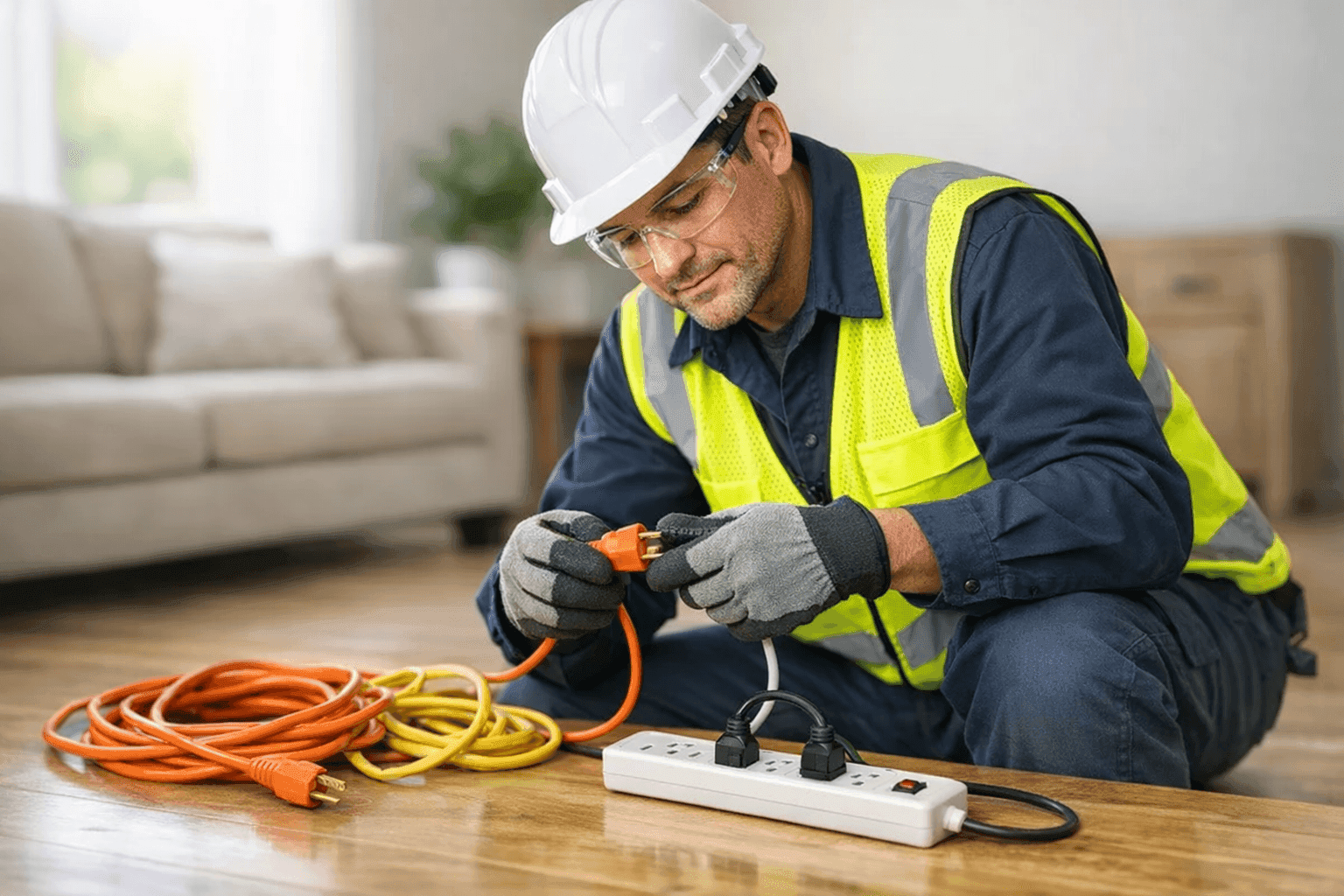
Have you ever plugged in just one more device and wondered, “Is this safe?” You’re not alone. Extension cords and power strips are everywhere in our homes—keeping our phones charged, our lamps glowing, and our family’s devices powered up. But with convenience comes a hidden risk if you don’t use them the right way.
At Lighteq Electric, we see the aftermath of extension cord mishaps all too often. Fires, tripped breakers, even damaged electronics. The good news? Most accidents are preventable. Let’s go beyond simple warnings and give you the confidence to use your cords and strips wisely.
Extension Cord Dos and Don’ts 🧰
Extension cords are like temporary bridges—they’re meant to help you cross a gap, not replace the road. Treating them as permanent wiring is asking for trouble.
Do:
- Use only cords with a certification label from trusted organizations (like UL or ETL).
- Match cord length and gauge to your device’s power needs.
- Check for visible wear before every use.
- Unplug by grasping the plug, not yanking the cord.
- Store cords indoors, away from moisture and direct sunlight.
Don’t:
- Never run cords under rugs, carpets, or furniture. Trapped heat is a fire’s best friend.
- Don’t daisy-chain—that’s plugging one cord into another. It’s like stacking too many books on a flimsy shelf.
- Don’t use indoor cords outside.
- Don’t use damaged, cracked, or frayed cords—ever.
Remember, extension cords are for short-term fixes, not everyday solutions. If you need more outlets, consider a Outlets & Switches.
Safe Power Strip Use
Power strips are handy, but they’re not magic wands. They don’t add extra electrical power to your home—they just split what’s already available.
Best Practices:
- Plug power strips directly into a wall outlet, never into another strip.
- Make sure the strip’s wattage matches or exceeds your devices’ combined load.
- Use strips with built-in surge protection for electronics.
- Don’t cover power strips with anything—let them breathe.
Heavy appliances like space heaters, refrigerators, or microwaves should always plug straight into the wall. Power strips just aren’t built for that kind of load.
Recognizing Overload Risks
Electricity doesn’t shout when it’s in trouble. It sends whispers—signs you shouldn’t ignore.
Warning Signs:
- Warm or hot outlets, plugs, or cord surfaces.
- Flickering lights or frequently tripped breakers.
- Buzzing sounds or a faint burning smell.
- Discolored or scorched outlet covers.
These are your home’s way of waving a red flag. If you spot any, unplug everything and call an electrician.
Understanding Wattage Limits
Every cord and strip has a maximum wattage. Exceed it, and you’re walking a tightrope without a net.
- Add up the wattage of all devices plugged into your strip or cord.
- Stay well below the maximum rating (usually printed on the device).
- Remember: high-wattage items (irons, toasters, hair dryers) are cord killers. They need their own outlets.
When in doubt, check guidelines from the National Fire Protection Association (NFPA) or your device manuals.
The Hidden Dangers of Daisy-Chaining
Picture a chain of paperclips holding a heavy weight. Eventually, one will snap. Daisy-chaining extension cords or power strips works the same way.
- Each connection adds resistance and heat.
- Multiple cords can overload circuits quickly.
- Daisy-chaining is a code violation (see National Electrical Code).
If your home needs more outlets, it’s time for a Outlets & Switches.
Signs of Worn or Unsafe Cords
A cord may look fine at a glance, but the devil’s in the details.
- Inspect for cracks, frays, or exposed wires.
- Feel for stiff or brittle insulation.
- Watch for plugs that fit loosely or wobble in the outlet.
Even a small flaw can spark big problems. It’s safer to replace a cord than risk your home.
Quick Safety Checklist for Extension Cord Use
- Check certification before plugging in.
- Inspect for damage every time.
- Don’t overload—add up your devices’ wattage.
- Keep cords visible—never under rugs or furniture.
- Disconnect when not in use.
Prevention & Maintenance Tips
Good cord habits are worth their weight in copper.
- Use extension cords only when absolutely necessary.
- Store them loosely coiled, away from heat or damp.
- Test outlets regularly. If plugs fall out easily, the outlet may need replacement.
- Schedule routine Safety Checks to catch hidden hazards before they become emergencies.
When to Call a Pro
If you find yourself using more extension cords than actual outlets, it’s time for a change. An electrician can add outlets, upgrade panels, or install surge protection—making your home safer and more convenient.
If you’re in need of an electrician, you’ll find reliable electrician services in Greensboro with Lighteq Electric.
What to Expect When a Pro Arrives
Our uniformed team arrives with all the tools needed to assess your wiring, outlets, and devices. We’ll test, inspect, and recommend the safest solutions, following national and local codes. If you need more outlets, or want to upgrade your old ones to tamper-resistant or GFCI models, Lighteq Electric can help.
Upgrading Outlets for Safety
Modern outlets are designed with your family’s safety in mind.
- GFCI Outlets: Protect from shocks in kitchens, bathrooms, and outdoors.
- AFCI Outlets: Detect arc faults that can cause fires.
- Tamper-Resistant Outlets: Keep curious kids safe from shocks.
Upgrading your outlets isn’t just about convenience—it’s about peace of mind.
The Role of Lighting and Outlets
Good lighting and accessible outlets are the backbone of a safe, comfortable home. If you’re running cords because you don’t have enough outlets, or plugging lamps into power strips, consider a permanent solution. Our lighting and outlet services can help brighten your space and reduce hazards.
Emergency Situations
If you see sparks, smell burning, or lose power in one area of your home, unplug everything and call for emergency electrical service. Don’t wait—electrical fires can move faster than you think.
Seasonal Reminders
Winter heaters, summer fans, holiday lights—each brings its own risks. Always use cords rated for the job, and never overload your home’s circuits. Take a moment to review your setup with each season’s change.
Common Extension Cord Mistakes
- Using cords as permanent wiring.
- Overloading strips with too many devices.
- Ignoring warning signs like warmth or discoloration.
- Running cords where they can’t be seen or checked.
- Using the wrong cord for outdoors.
It’s easy to get complacent—until something goes wrong. Stay vigilant.
Frequently Asked Questions
Q: Can I plug a fridge or microwave into a power strip?
A: Never. High-wattage appliances require dedicated outlets.
Q: Why does my extension cord get hot?
A: It’s overloaded or damaged—unplug it immediately.
Q: How often should I check my cords and strips?
A: Before every use, especially after moving furniture or during seasonal changes.
Materials and Equipment for Safe Cord Use
- UL- or ETL-listed extension cords and power strips.
- GFCI or AFCI protected outlets.
- Heavy-duty cords for outdoor or appliance use.
- Cord organizers to prevent tripping and tangling.
Timeline and Disruption
Outlet upgrades or new installations are usually quick—most projects take less than a day. We keep your home tidy and minimize downtime.
Conclusion: Make Safety a Habit
Extension cords and power strips make modern living possible—but with each convenience comes a responsibility. Treat your cords with care. Upgrade your outlets if you find yourself relying on temporary fixes. Protect your family, your electronics, and your home.
Call Lighteq Electric now — or reach us anytime at 855-552-3493 .