10 Signs Your Home Needs an Electrical Safety Inspection
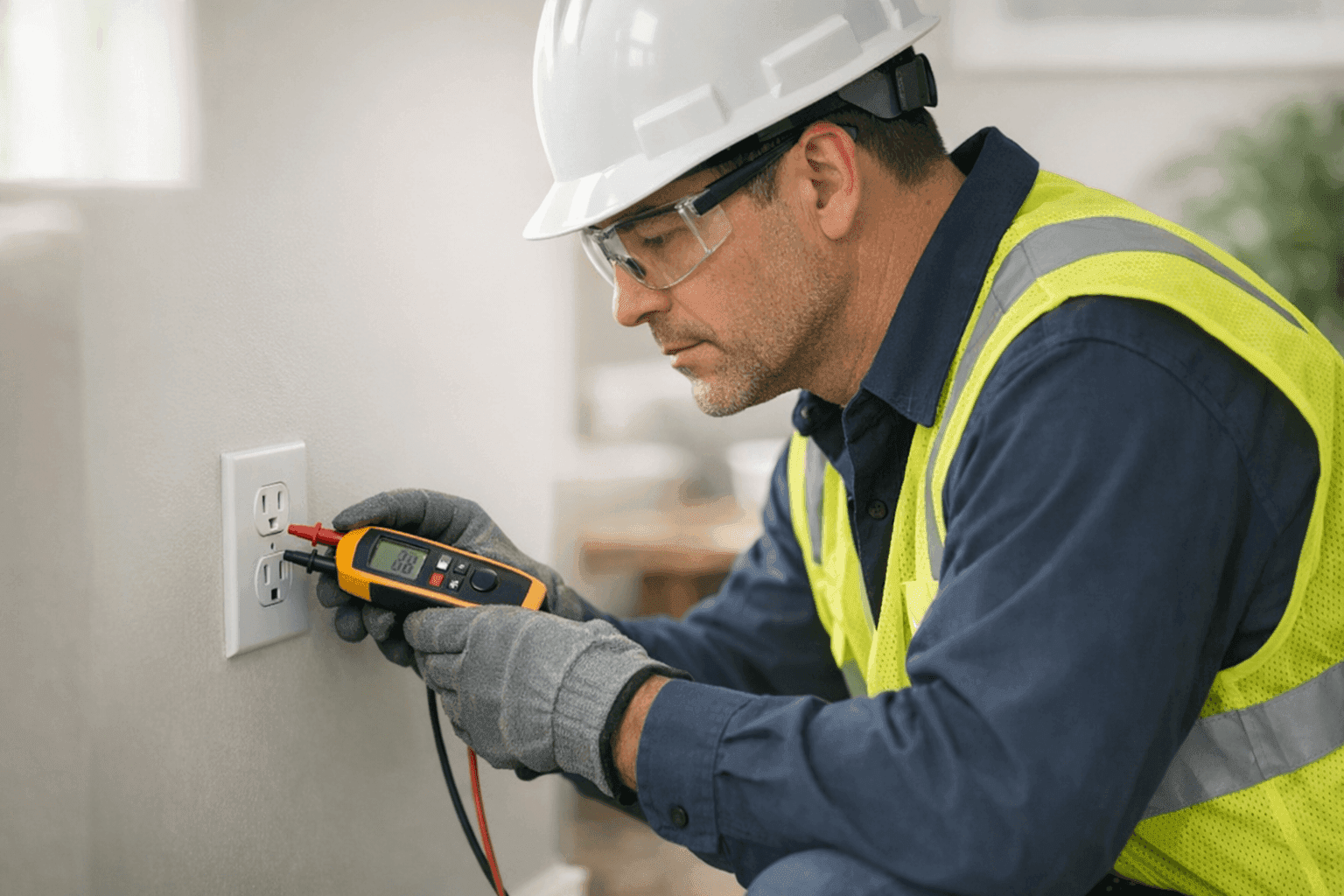
Is there anything more important than feeling safe at home? Electricity is essential, but it’s also invisible and—let’s face it—a little mysterious. Most of us flip a switch and expect things to just work. But sometimes, the warning signs are right under your nose. Or ear. Or fingertips.
At Lighteq Electric, we’ve seen what happens when small symptoms are ignored. An electrical safety inspection isn’t just a box to check—it’s peace of mind for you and your family.
Why Inspections Matter ⚡
You wouldn’t drive your car for years without a check-up. Homes need the same care. Wires age, connections loosen, and modern appliances draw more power than ever. If your home’s wiring is from another era, it might be struggling to keep up.
Electrical issues are a leading cause of home fires, according to the National Fire Protection Association (NFPA). That’s why regular inspections are highly recommended by organizations like the Electrical Safety Foundation International (ESFI). They’re not just for old or historic houses—even newer homes can develop hidden hazards.
Top Warning Signs Your Home Needs an Electrical Safety Inspection
Let’s get specific. Here are the red flags no homeowner should ignore:
1. Flickering or Dimming Lights
It’s easy to write off blinking lights as “quirky.” But lights that flicker, dim, or brighten unexpectedly signal loose wiring or overloaded circuits. If you notice this after plugging in an appliance, your system may be crying out for help.
2. Frequent Circuit Breaker Trips
Does your breaker trip so often you know it by name? Breakers are designed to protect you. If they’re tripping regularly, your circuits are being pushed beyond their limits or there’s a short somewhere. This is more than a nuisance—it’s a hazard in disguise.
3. Burning Smell or Warm Outlets
A faint burning odor or outlets that feel hot are your home’s way of waving a red flag. This could mean melting insulation or faulty wiring, which can quickly lead to fire. Don’t ignore your nose. If something smells “off,” it’s time to call a licensed electrician.
4. Buzzing, Crackling, or Sizzling Sounds
A healthy electrical system is silent. Any unusual sounds—whether it’s a constant buzz or the occasional sizzle—are signs of trouble. Electrical components should never make noise. If they do, it’s time for an inspection.
5. Discolored or Scorched Outlets and Switches
Do your outlets look tired or slightly browned? Discoloration indicates heat buildup, often from loose connections or faulty wiring beneath the surface. Don’t cover it up—this is a sign to act fast.
6. Outlets That Spark or Shock
A little spark isn’t “normal.” If you feel a shock when plugging something in, or see a visible spark, your home’s system is likely unsafe. This can indicate worn outlets, loose wires, or bigger underlying issues.
7. Extension Cord Overload
Do you use extension cords as permanent solutions because you don’t have enough outlets? This is a clue your home’s wiring isn’t keeping up with your needs—a classic sign it’s time for an update and a safety check.
8. Old or Outdated Wiring (Knob-and-Tube, Aluminum)
If your home was built before the 1980s, there’s a chance you have outdated wiring. Knob-and-tube or aluminum wiring can’t safely handle today’s electrical loads. These systems are especially prone to overheating and should be inspected.
9. Faulty or Non-Functioning GFCI Outlets
GFCI (Ground Fault Circuit Interrupter) outlets are designed to protect you from shock, especially in kitchens and bathrooms. If your GFCIs won’t reset or trip for no reason, they’re not doing their job.
10. Rodent Activity or Physical Damage
Mice and other critters love to chew on wires. If you’ve spotted droppings or found gnawed cables, it’s time to check for hidden damage. Physical damage can expose live wires and increase fire risk.
Quick Safety Checklist for Homeowners
Run through these simple checks:
- Check all visible outlets and switches for heat, discoloration, or odd smells.
- Listen for buzzing or crackling near panels or outlets.
- Test GFCIs monthly—press “Test” and make sure they reset.
- Notice if any lights are unusually bright or dim.
- Look for frayed cords or exposed wires.
If you spot even one issue, don’t wait. Electrical problems rarely fix themselves.
DIY vs. Call a Pro: When to Handle It Yourself
Changing a light bulb or resetting a breaker? Go for it. But when the issues above appear, it’s time to bring in a credentialed electrician. Electricity isn’t forgiving, and what seems minor can turn dangerous fast.
Our licensed electricians at Lighteq Electric follow strict safety protocols, adhering to NEC (National Electrical Code) guidelines. A professional assessment goes far beyond a quick visual check.
What a Professional Inspection Includes
Curious what happens during a real inspection? Here’s what you can expect from Lighteq Electric’s process:
- Visual Examination: Inspect all outlets, switches, fixtures, and electrical panels for visible wear or damage.
- Testing: Use certified tools to test circuit integrity, polarity, and grounding.
- Panel and Breaker Check: Open and inspect panel boards for signs of overheating, corrosion, or loose connections.
- Load Analysis: Assess if your circuits can handle the demands of modern appliances.
- Code Compliance: Confirm that everything meets the latest safety codes and standards.
- Reporting: Receive a transparent, easy-to-understand summary of findings and recommended actions.
We never cut corners. Every inspection is thorough, transparent, and tailored to your home’s unique needs.
How Often Should You Schedule an Electrical Safety Inspection?
The industry standard—backed by the ESFI and local building codes—recommends:
- Every 3–5 years for most homes.
- Immediately if you buy, sell, or renovate.
- Annually if your wiring is over 40 years old or you notice any warning signs.
Seasonal changes can also impact your electrical system, especially after severe weather or if you’re adding pool & spa electrical near you.
When It’s an Emergency
If you smell burning, see smoke, or experience a total loss of power, don’t wait. These are true emergencies. Turn off your main breaker if safe, and call an electrician immediately. Your safety comes first.
Common Mistakes Homeowners Make
- Ignoring small signs until they become big problems.
- Using extension cords as permanent wiring.
- Attempting DIY repairs beyond their skill level.
- Forgetting to test smoke and carbon monoxide detectors.
A little prevention goes a long way.
Prevention & Maintenance Tips
- Test all detectors monthly and replace batteries as recommended.
- Schedule routine Safety Checks to catch problems early.
- Upgrade old outlets and switches, especially in wet areas.
- Plan for more outlets if you’re constantly using power strips.
- Keep panels and breaker boxes accessible and labeled.
For more information, the National Fire Protection Association and Electrical Safety Foundation International are excellent resources.
What Happens After the Inspection?
If issues are found, you’ll receive clear guidance. Solutions range from minor repairs to rewiring sections of your home. Our team is trained in everything from residential services to specialized systems like backup generators, EV chargers, and home automation.
We’ll work with your schedule, explain everything in plain language, and ensure your home is safe and up to code.
Timeline & Disruption: What to Expect
Most inspections take 1–3 hours, depending on your home’s size and age. Some repairs can be handled on the spot; larger projects may require a follow-up visit. We always keep disruption to a minimum and leave your space as clean as we found it.
Real-World FAQ
Q: Do I need an inspection if my home is new?
A: Yes. Even new homes can develop issues from installation errors or post-construction modifications.
Q: What’s the most common issue you find?
A: Overloaded circuits and outdated wiring are at the top of the list, especially in older homes.
Q: When should I upgrade my electrical panel?
A: If your panel is over 25 years old, or you’re adding major appliances or an EV charger, it’s time to evaluate.
Your Next Step Toward a Safer Home
Electricity is powerful—don’t let hidden problems put your family at risk. If you notice any warning signs, schedule an inspection. We’re here to help with everything from routine maintenance to emergency repairs.
If you’re in the area, our electrician services are available 24/7.
Call Lighteq Electric now — or reach us anytime at 855-552-3493 .