How to Spot Outdated or Dangerous House Wiring
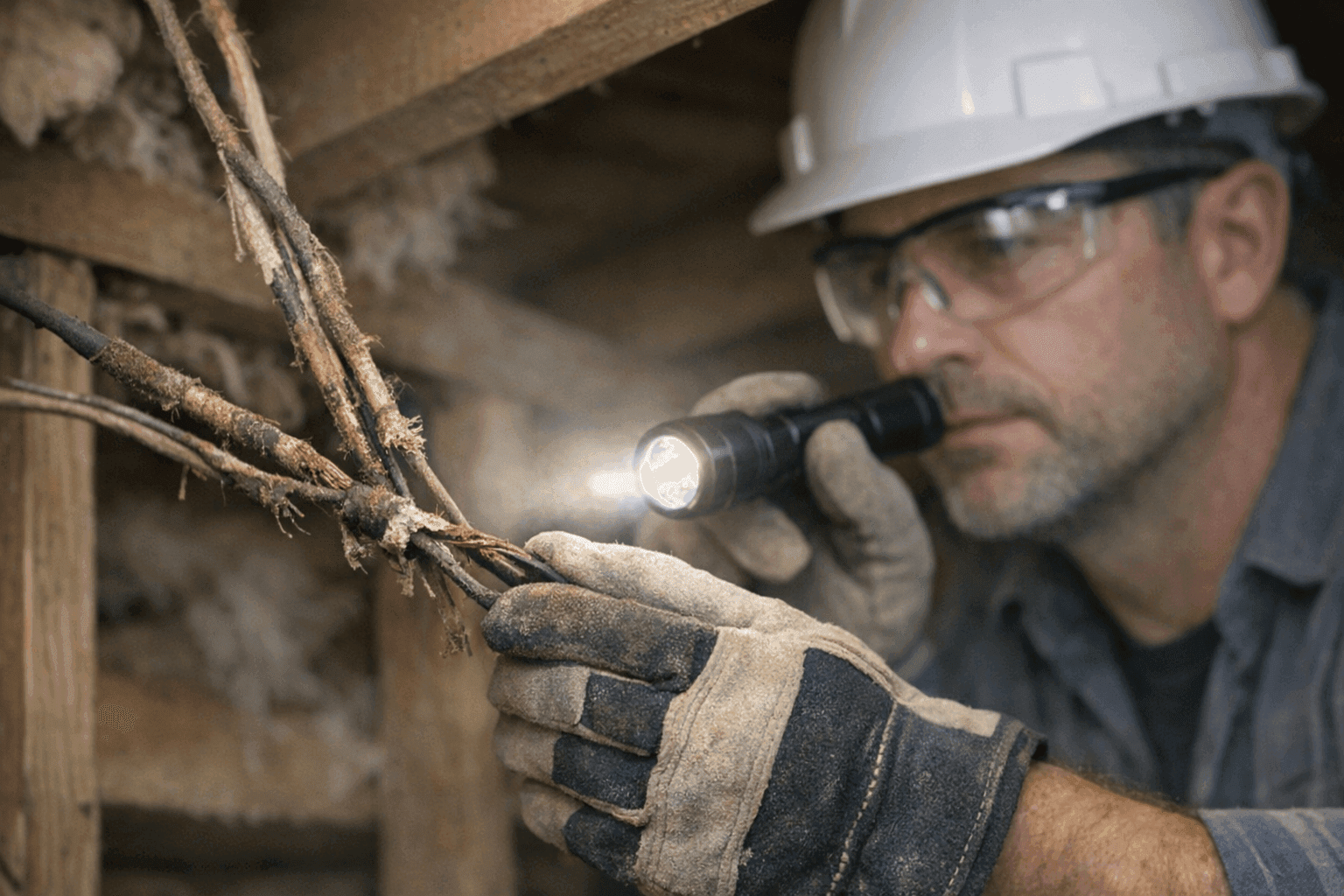
Does your house make odd electrical noises, or do you notice lights flickering for no reason? Maybe you’ve caught a whiff of burning plastic and can’t place the source. You’re not alone. Many homeowners live with legacy wiring that’s simply past its prime.
Wiring isn’t something most of us think about until there’s a problem. But the truth is, outdated or damaged wiring is one of the most common—yet overlooked—reasons for house fires and unexpected power failures. At Lighteq Electric, we help families spot trouble before it becomes an emergency.
Why Outdated Wiring Is Dangerous ⚡
Old wiring is like an old garden hose. Over time, cracks form, insulation wears thin, and leaks develop. Unlike a garden hose, though, a wiring “leak” can mean electrical shocks, blown fuses, or even a fire.
Here’s why leaving outdated wiring in place is a real risk:
- Fire hazard: According to the National Fire Protection Association, faulty wiring is a leading cause of house fires.
- Shock risk: Damaged insulation can expose live wires, putting you and your loved ones at risk.
- Unreliable power: Outdated systems can’t handle today’s electrical loads—think home offices, kitchen gadgets, and smart home tech.
- Insurance issues: Many insurers won’t cover homes with obsolete wiring types like knob-and-tube or aluminum.
If your wiring is more than 40 years old, it’s time to ask: Is my house as safe as I think?
Top Warning Signs of Dangerous House Wiring
Spotting a wiring problem early can save you headaches later. Look for these red flags—it’s like your home is trying to whisper, “Help me.”
- Flickering or dimming lights: Not just a ghost. This often means loose connections or overloaded circuits.
- Discolored outlets or switches: Yellowing, browning, or black marks signal overheating.
- Warm or vibrating outlets: Outlets and switches should never feel hot or buzz.
- Burning smells: If you smell burning plastic, call an electrician right away.
- Frequent blown fuses or tripped breakers: These aren’t just annoyances—they’re warning bells.
- Odd sounds: Crackling, sizzling, or buzzing from walls or outlets.
- Sparking: Even a small spark is too much.
If you notice any of these, don’t wait. Electrical problems rarely fix themselves.
Common Old Wiring Types Found in Homes
Some wiring types belong in history books, not homes.
Knob-and-Tube Wiring
Installed before the 1940s, knob-and-tube wiring looks like white ceramic knobs and tubes running through your basement or attic. It lacks a grounding wire, making it both outdated and dangerous by today’s standards. Insurance companies often refuse coverage for homes with this system.
Aluminum Wiring
Popular in the 1960s and 70s due to copper shortages, aluminum wiring is prone to loosen over time. This leads to overheating and increases the risk of fire. If your house was built in this era, you might have aluminum wiring hiding behind your walls.
Cloth-Insulated Wiring
Seen in homes from the 1920s to 1950s, this wiring uses fabric insulation that eventually dries out and flakes away, leaving wires exposed.
Not sure what you have? A licensed electrician can help identify the type and suggest upgrades.
Quick Safety Checklist: Is My Home at Risk?
Walk around your home and check:
- Do you trip the breaker when running the microwave and toaster together?
- Are any outlets missing three prongs (grounding)?
- Is your panel rusty, corroded, or outdated?
- Are extension cords a permanent fix?
- Do you have two-pronged outlets in bathrooms or kitchens?
If you answered “yes” to any of these, it’s time for an inspection.
DIY or Call a Pro? When to Get an Electrician Involved
Some things you can tackle with a screwdriver. House wiring isn’t one of them. Electrical work isn’t just about swapping wires—it means knowing building codes, proper load balancing, and how to prevent future hazards.
Never remove outlet covers or try to “peek” at wiring if you’re unsure. It’s safer (and cheaper in the long run) to call a professional.
What Professional Electricians Do When They Arrive
A trained electrician from Lighteq Electric will:
- Inspect all visible wiring, including attics and basements.
- Use testing equipment to check for hidden faults.
- Evaluate your panel and breakers for compatibility with modern devices.
- Advise on rewiring or targeted upgrades.
- Provide a written report and explain your options.
We also conduct electrical safety inspections that meet National Electrical Code (NEC) standards, helping you make informed choices about your home.
Electrical Code and Safety Guidelines
Electrical codes change every few years to keep homes safer. The NEC provides nationwide standards, but local requirements can also apply. Many older homes simply don’t meet today’s guidelines, especially when it comes to grounding and circuit protection.
Staying up to code isn’t just about compliance—it’s about peace of mind.
Prevention & Maintenance: Keep Wiring Safe for Years to Come
- Schedule regular inspections: Every 5–10 years for most homes, or before major renovations.
- Replace worn outlets and switches: Don’t ignore cracked or loose covers.
- Upgrade panels: Especially if you add high-demand devices like EV chargers or new appliances.
- Avoid overloading circuits: Plugging too many things into one outlet is a recipe for tripped breakers.
When It’s an Emergency: Act Fast
Some situations can’t wait. Call for emergency service if:
- You smell burning or melting plastic.
- Outlets, switches, or panels are hot to the touch.
- You see smoke or sparks.
- Power goes out in part of your home and won’t reset.
Don’t risk your safety. Our team offers 24 hour service for urgent issues.
Common Mistakes Homeowners Make
- Using extension cords as permanent wiring.
- Ignoring tripped breakers or blown fuses.
- Painting over outlets and switches (which hides warning signs).
- Attempting DIY repairs without the right tools or knowledge.
If in doubt, get it checked out.
Timeline & What to Expect During Rewiring
Worried that rewiring means your house will be torn apart? The reality is, most projects are less disruptive than you’d think. Depending on your home’s size and the extent of work:
- Simple rewiring jobs: 1–3 days.
- Whole-house rewiring: 3–10 days, with minimal wall openings.
- Power may be off in certain rooms, but your electrician will keep you informed.
Always ask for a detailed estimate and clear timeline before work begins.
Seasonal Considerations: When’s the Best Time for Electrical Work?
Spring and fall are often ideal for major electrical projects. Extreme heat or cold can make attic or crawlspace work more challenging, and you’ll want your home’s power reliable before winter storms or summer AC demand kicks in.
Costs and Budgeting for Wiring Upgrades
The cost of rewiring depends on:
- Home size and age
- Access to wiring (finished vs. unfinished basements/attics)
- Materials (copper, GFCI outlets, panel upgrades)
While it’s an investment, updated wiring boosts safety, comfort, and home value. Ask your electrician for options that fit your budget and timeline.
Frequently Asked Questions
Q: My home is old but “seems fine.” Is rewiring really necessary?
A: Even if you haven’t noticed problems, old wiring can silently deteriorate. An inspection provides peace of mind—and can catch issues before they become emergencies.
Q: Can I partially rewire my home?
A: Yes, some homes only need targeted upgrades. A professional will help you decide what’s essential and what can wait.
Q: Does insurance require wiring upgrades?
A: Many policies do, especially if you have knob-and-tube or aluminum wiring. Check with your provider.
Addressing the Risks: What to Do Next
If you spot any warning signs or your home fits the risk profile, here’s what to do:
- Schedule a professional inspection with Lighteq Electric.
- Discuss any findings and get recommendations in plain language.
- Prioritize urgent upgrades, like replacing hazardous wiring or panels.
- Plan for future improvements—safer, smarter, more reliable power.
If you’re looking for an electrician who understands both old wiring and modern code, our team is ready to help.
Take Control of Your Home’s Electrical Safety
Electrical wiring is the hidden lifeline of your home. Make sure it’s up to the task. Don’t ignore the warning signs—your safety, comfort, and investment depend on it.
Call Lighteq Electric now — or reach us anytime at 855-552-3493 .